Disposal & Waste Management
Sustainability as a Common Thread – Waste Prevention, Responsible Disposal, and Resource Conservation at the University of Potsdam
Waste is generated in many different areas of the University of Potsdam: in offices, laboratories, dining halls, as well as at events and construction projects. The conscious avoidance, separation, and environmentally sound disposal of waste is a key component of our sustainability strategy. In doing so, we not only reduce our ecological footprint but also contribute to the conservation of natural resources.
This effort is guided by several central goals of the 2030 Agenda for Sustainable Development (SDGs). The focus is particularly on:


The University of Potsdam has a comprehensive waste management system: In addition to the separation of paper, packaging, and general waste, central collection points are available for special waste such as batteries, glass, or materials containing hazardous substances. For research facilities, the proper disposal of hazardous waste is subject to particularly strict monitoring. In addition, the university promotes the reuse of furniture and materials through internal recycling exchanges and targeted exchange initiatives. Specific guidelines for waste separation can be found at the bottom of this page.
The university is continuously working to improve waste prevention, for example through information campaigns, the expansion of recycling options, and pilot projects for waste separation in high-traffic buildings. All members of the university community play an important role in this effort—from the administration to students to technical staff.
The goal is to view waste not merely as a problem to be disposed of, but as a resource that can be preserved through mindful use, a circular economy, and innovative concepts.
Waste Separation at the University of Potsdam – What Goes Where?
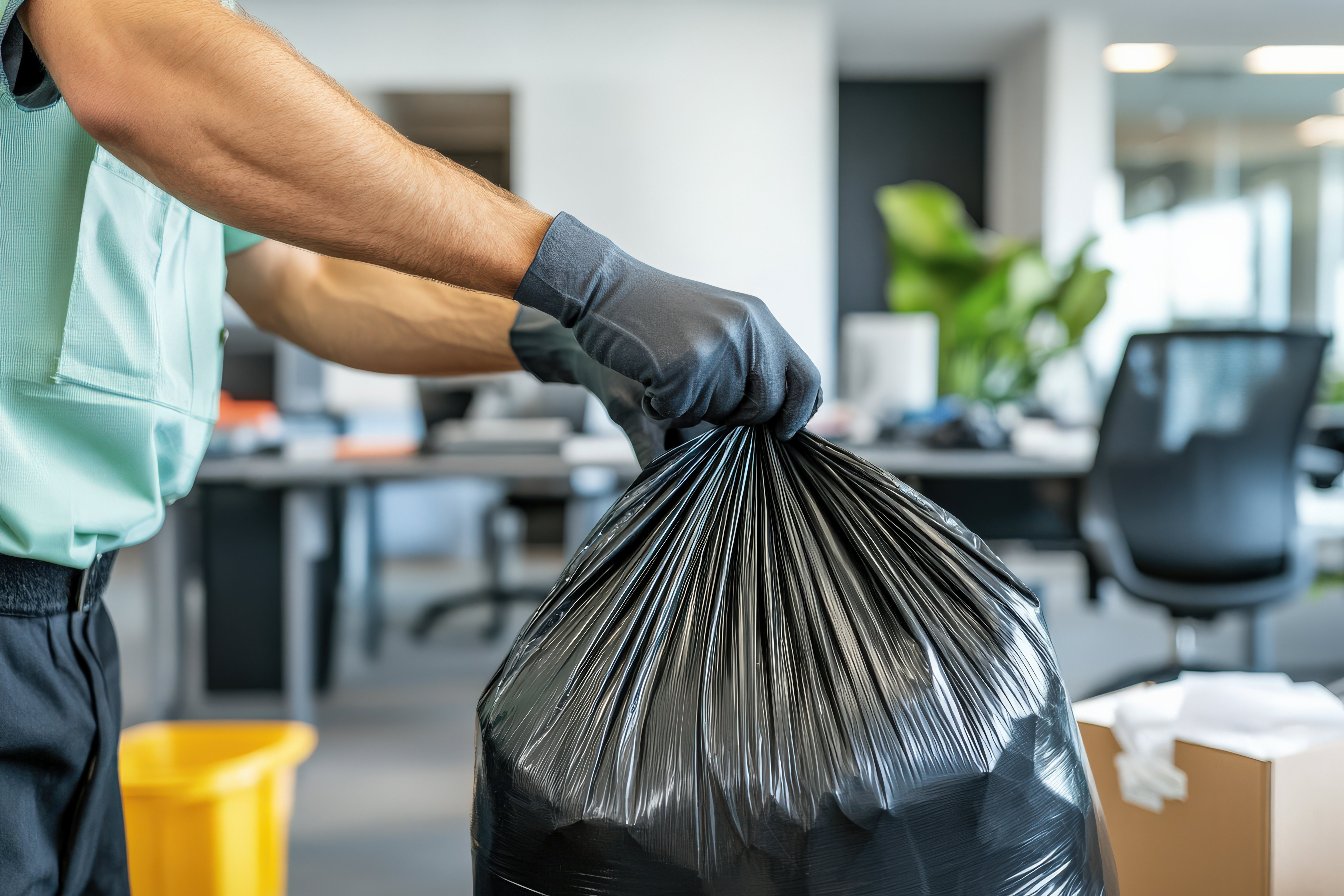
Waste is sorted by providing appropriate sorting systems and by informing and encouraging all waste generators to use these systems properly (e.g., using the waste sorting guide)
- Employee offices are equipped with wastebaskets for paper waste. If you still have a general waste bin with a plastic bag, we ask that you designate it as a wastebasket for the sake of waste separation. Simply remove the plastic bag and order a sticker to show the cleaning staff that it is now a wastebasket intended exclusively for paper. Thank you very much!
- General waste and, in some cases, packaging waste can be disposed of in the kitchenettes. In some buildings, there are recycling bins in the hallways for paper, packaging, and general waste.
- There are battery collection bins in the entrance area of every building. Glass and pens (ballpoint pens & markers) can be recycled at various locations on campus: Overview for Golm Neues Palais, Griebnitzsee.
- Members of the University of Potsdam can drop off hazardous waste weekly at the central chemical storage facility (more information here).
- There is an internal recycling exchange for furniture, toner cartridges, and printer modules.
- Hazardous waste reports, trends in hazardous waste generation, and hazardous materials reports can be found in the respective sustainability reports or waste statistics.
Contact
Dangerous Goods Manager & Environmental Protection Supervisor | Ulf Lepszy
- Campus Am Neuen Palais
Haus 02, Zi. 1.15 - Sprachen: deutsch