News in brief 2026
Podcasts with Prof. Sönke Neitzel
- POLITICO, Podcast by Rixa Fürsen
- GOOD WORK - Der Podcast für zukunftsfähige Arbeitskultur
- NDR Info - Politik und Hintergrund
Successful Habilitation Colloquium by Dr. Christin Pschichholz
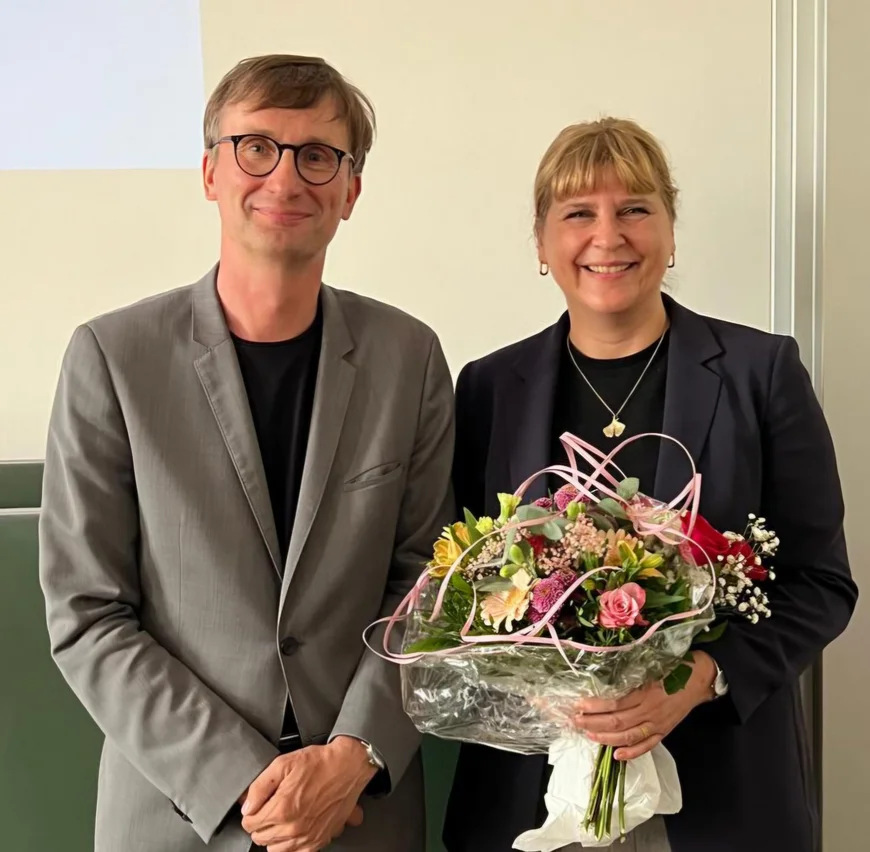
Dr. Christin Pschichholz, the principal investigator of the third subproject, “Cultures of Violence in the Armies of the Major European Powers during the Revolutionary and Napoleonic Wars. Acts of Violence and International Discourses (1792–1815),” successfully completed the colloquium on July 1, 2026, as part of her habilitation process—we would like to extend our heartfelt congratulations. The lecture, titled “The ‘French Period’ in Northern Germany (1803–1814) from a Social and Economic Historical Perspective,” spanned the background of the Continental Blockade decreed by Napoleon and its economic consequences for the United Kingdom, all the way to local strategies in French-occupied Northern Germany to circumvent the blockade.
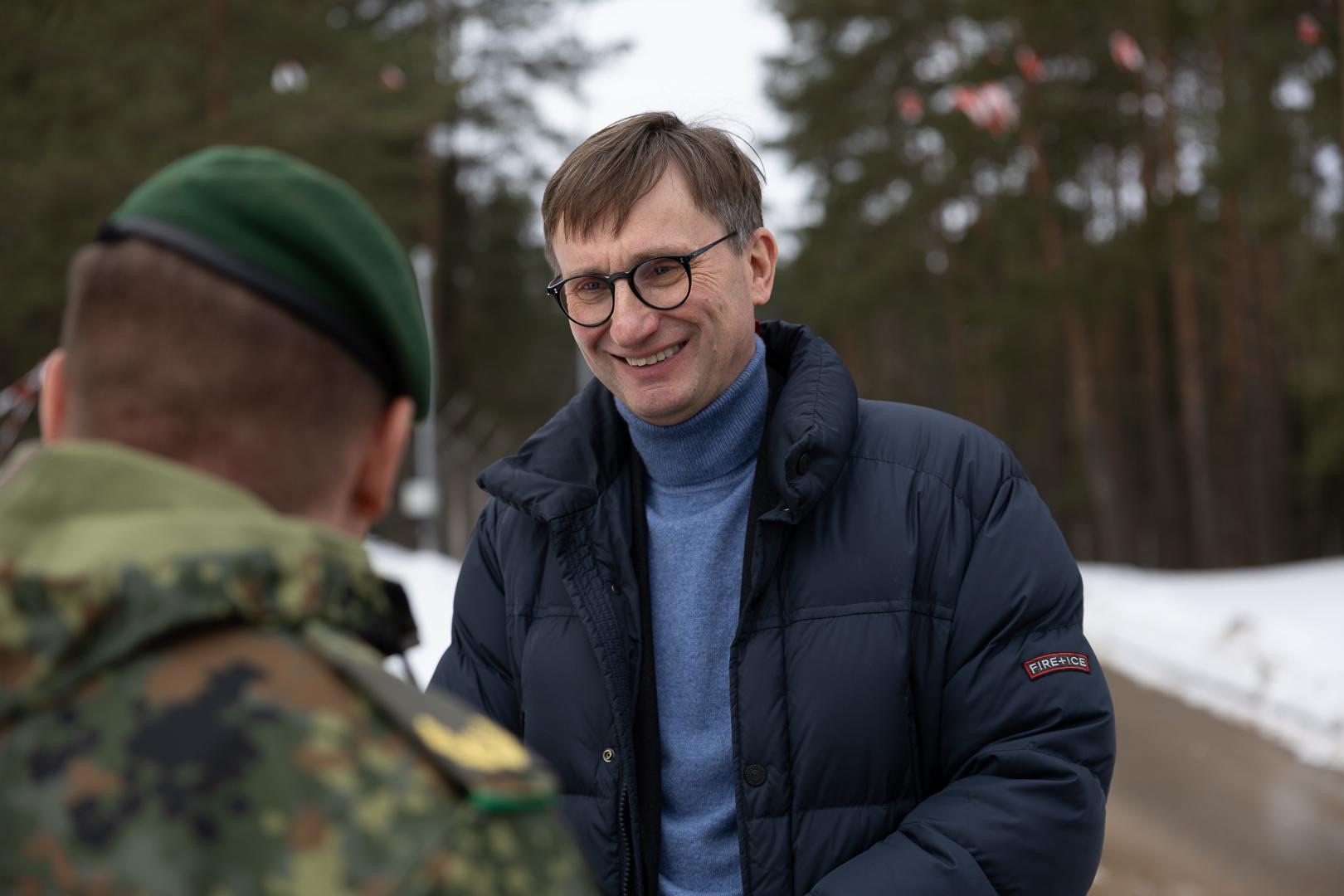
Nordic/Baltic 8 Delegates Visit
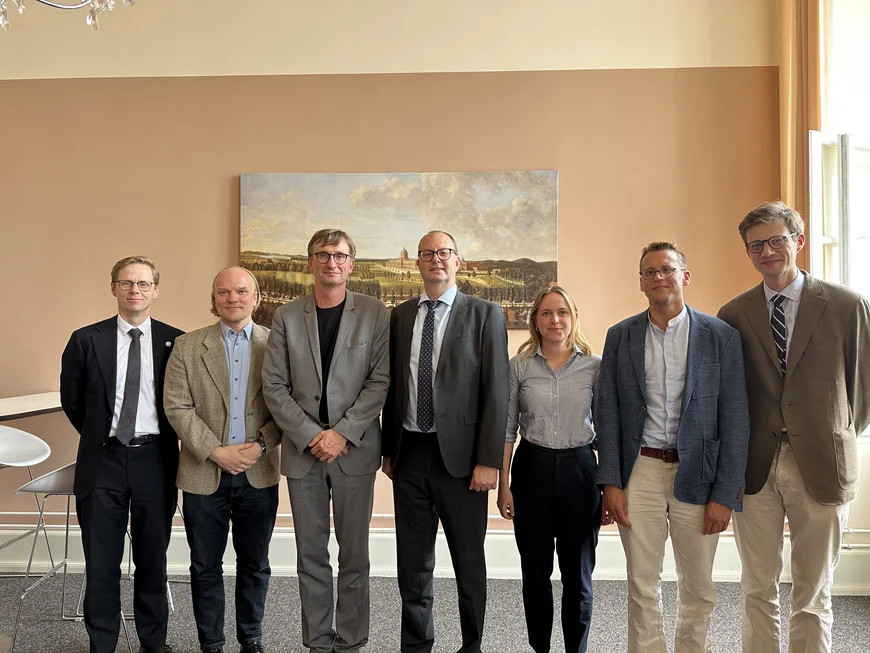
On July 1, 2026, the Nordic/Baltic 8 envoys visited the Department of Military History and discussed security policy in the Baltic region with our students.
Timo Feilen Discusses the Future of European Security Policy
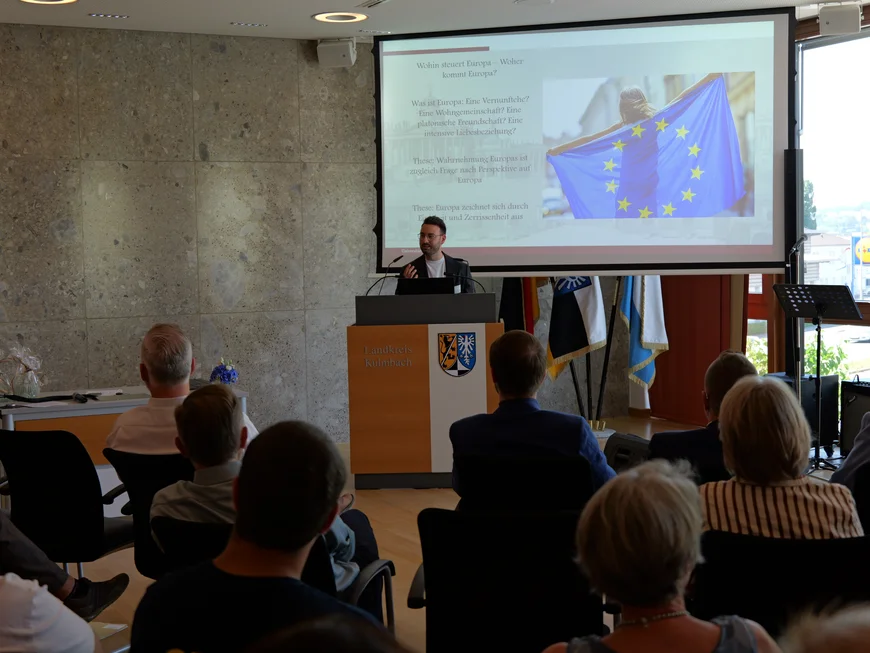
On June 24, 2026, Timo Feilen—with support from the Hanns Seidel Foundation—delivered a lecture titled “Where Is Europe Headed—Eternal Unity or Division?” to an audience of about 60 interested listeners as part of the sixth Integration Summit of the Kulmbach district. Starting with the intellectual foundations of Europe, he traced the development of European integration and demonstrated how historical experiences continue to shape our understanding of European cooperation and security to this day.
The lecture focused on Europe’s current security challenges. Using the migration crisis, Russia’s war of aggression against Ukraine, and the strategic realignment of the United States as examples, Feilen analyzed the continent’s changing security landscape. He emphasized that, in the face of growing geopolitical uncertainties, Europe must strengthen its capacity to act in the realm of security policy and actively shape its shared future.
Timo Feilen holds discussions with the 9th Armored Training Brigade
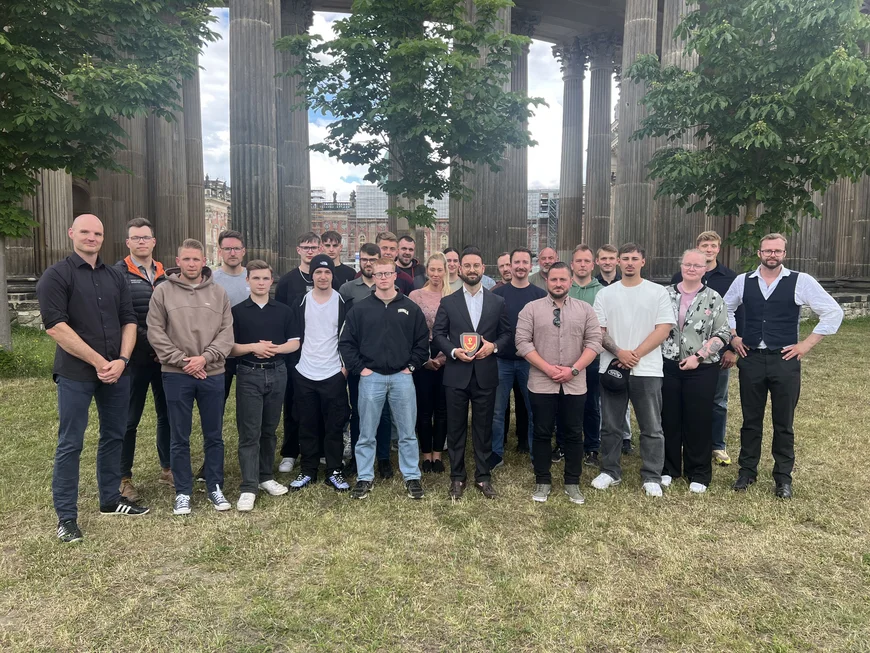
On June 11, 2026, a delegation from Tank Training Brigade 9 visited the Chair of Military History/Cultural History of Violence. In a presentation, Timo Feilen outlined key working hypotheses from his ongoing dissertation titled “The Myth of Inner Leadership.” The focus was on the history of the development of Inner Leadership, as well as the various interpretations of the concept and its significance for the public debate on the Bundeswehr’s leadership philosophy. In the ensuing discussion, participants explored the extent to which “Inner Leadership” can and must be simplified, made more pragmatic, or further developed in light of the current challenges of force buildup and the Bundeswehr’s orientation toward national and alliance defense.
Successful completion of a dissertation at a DFG research group
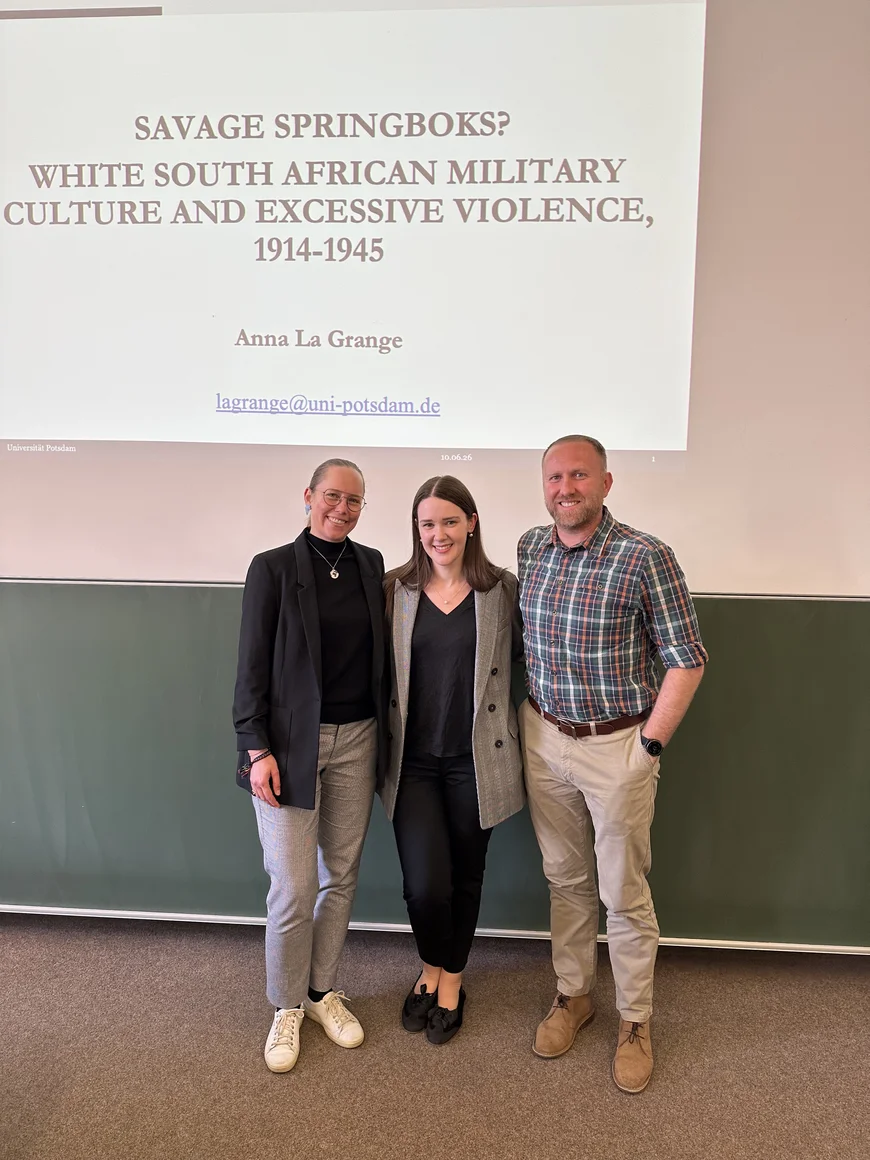
On June 10, 2026, Anna La Grange successfully defended her dissertation, “Savage Sproingsboks? White South African Military Culture and Excessive Violence, 1914–1945.” This marks the second study from the DFG research group to be completed at the University of Potsdam. Anna La Grange will now be working in Hamburg as part of the EU-funded major research project “BLOCKADE – The Hidden Weapon. Blockade in the Era of the Two World Wars,” led by Prof. Dr. Alan Kramer.
The Army Inspector at the University of Potsdam
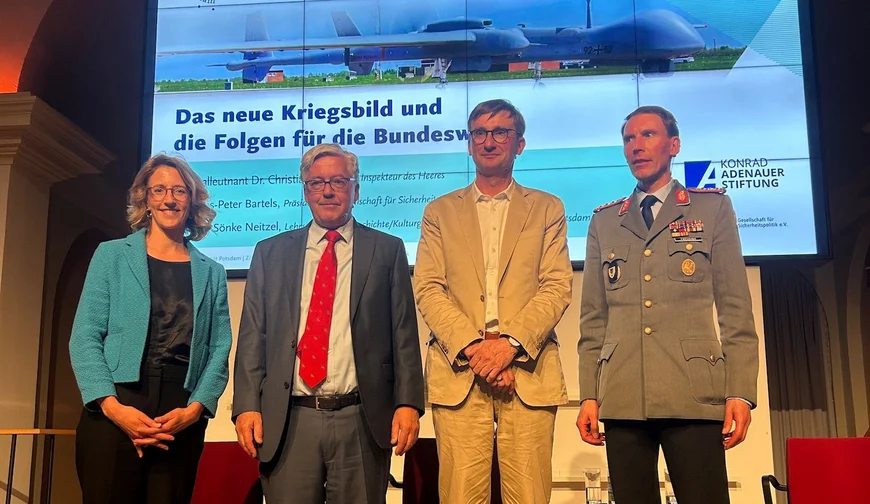
On June 2, 2026, a panel discussion was held at the University of Potsdam featuring Lieutenant General Dr. Christian Freuding, Inspector General of the Army. Under the title “The New Landscape of War and the Consequences for the Bundeswehr,” Freuding discussed the most pressing challenges facing the Bundeswehr in light of the tense security situation in Europe with Dr. Hans-Peter Bartels, the former Parliamentary Commissioner for the Armed Forces and current President of the Society for Security Policy.
Find more here
June 2, 2026: Panel discussion with the Army Inspector
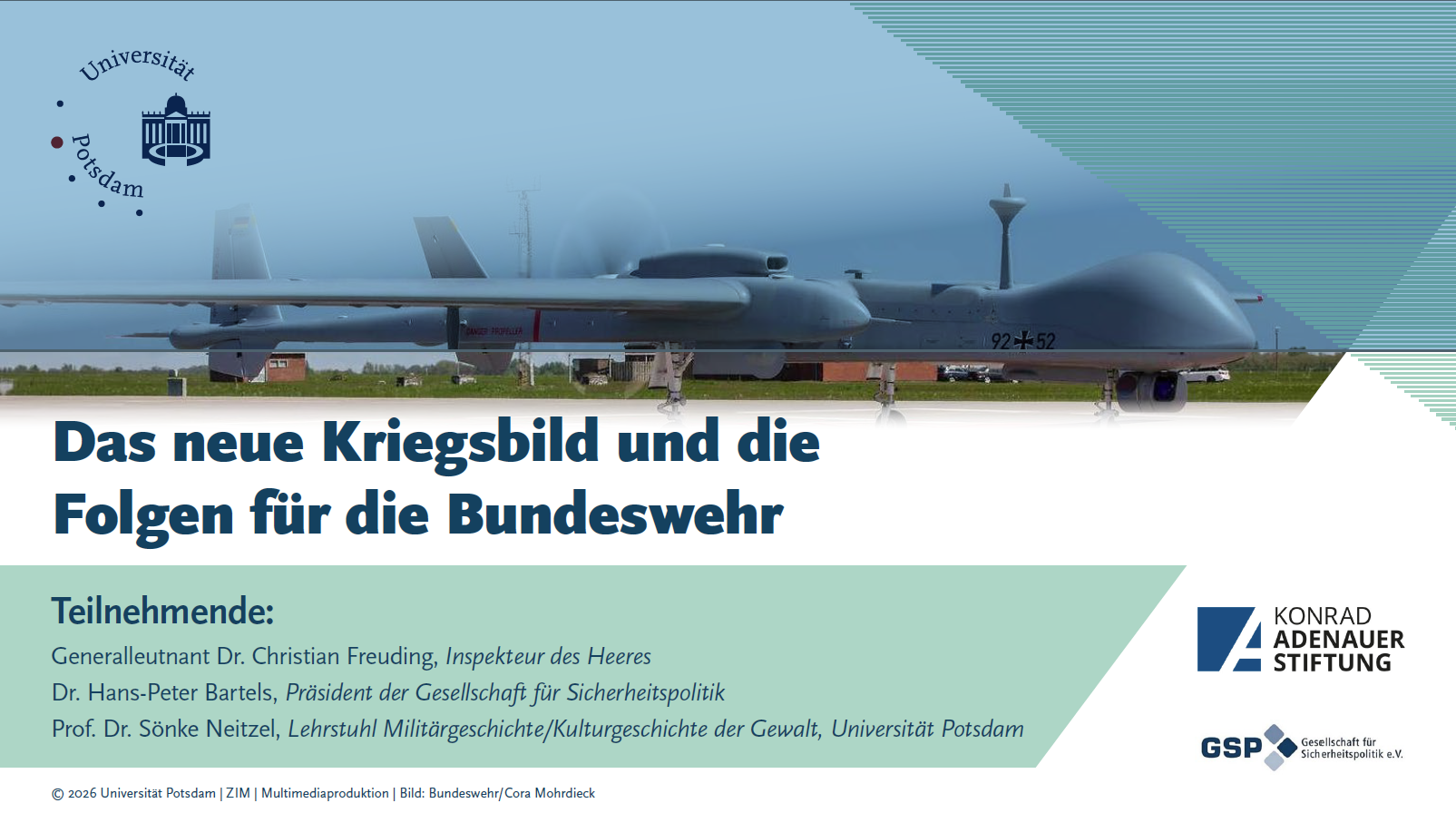
On June 2, 2026, at 6:00 p.m., a panel discussion on the topic “The New Landscape of War and Its Implications for the Bundeswehr” will take place at the University of Potsdam.
The panelists will be Lieutenant General Dr. Christian Freudig, Inspector General of the Army; Prof. Dr. Sönke Neitzel; and Dr. Hans-Peter Bartels, President of the Society for Security Policy.
The event is being held in cooperation with the Konrad Adenauer Foundation. Please register through the KAS.
For further information (in German), please refer to the attached flyer.
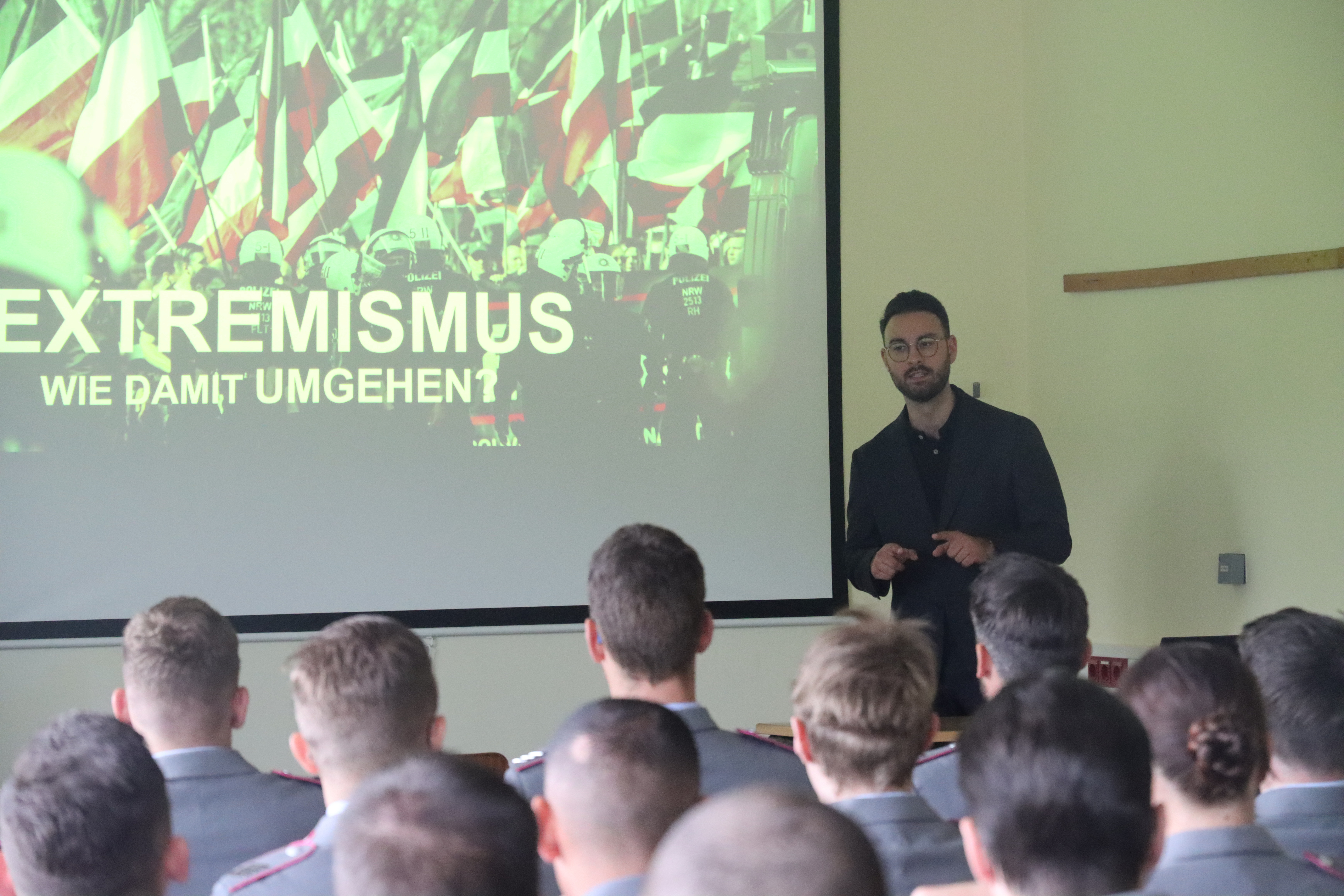
Timo Feilen at Tank Battalion 104 in Pfreimd
On May 21, 2026, Timo Feilen was a guest at Tank Battalion 104 at the Oberpfalz Barracks in Pfreimd. As part of the “Day Dedicated to Our Values,” Feilen addressed approximately 200 enlisted personnel. This year’s annual “Day Dedicated to Our Values” focused on extremism. The lecture, titled “Political Extremism in the Bundeswehr: History and Current Challenges,” covered a wide range of topics, from the characteristics and dangers of political extremism to possible ways of dealing with extremism and the history of extremism within the Bundeswehr.
ZDF documentary on the history of the Bundeswehr
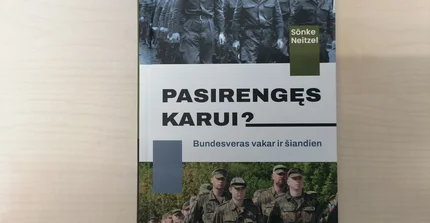
On Thursday, May 21, 2026, ZDF aired a 90-minute documentary on the history of the Bundeswehr. “Kriegstüchtig? 70 Years of the Bundeswehr” is now available in the media library. Prof. Dr. Sönke Neitzel served as the program’s expert advisor.
Christian E. Rieck Ahead of the NATO Summit in Ankara and Istanbul
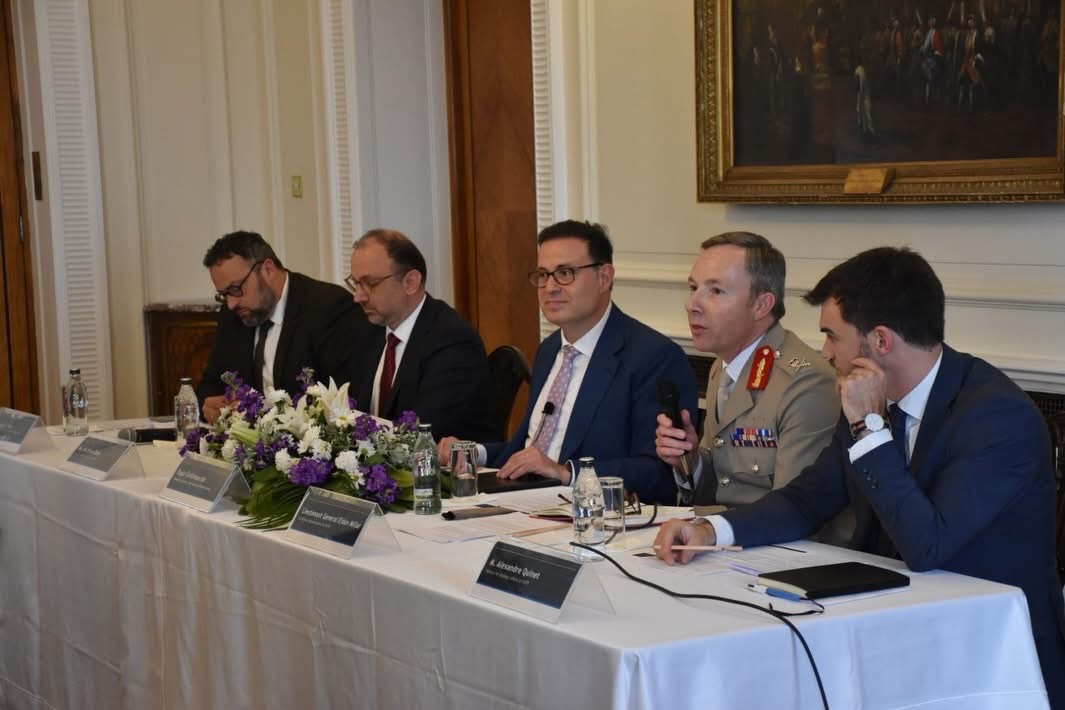
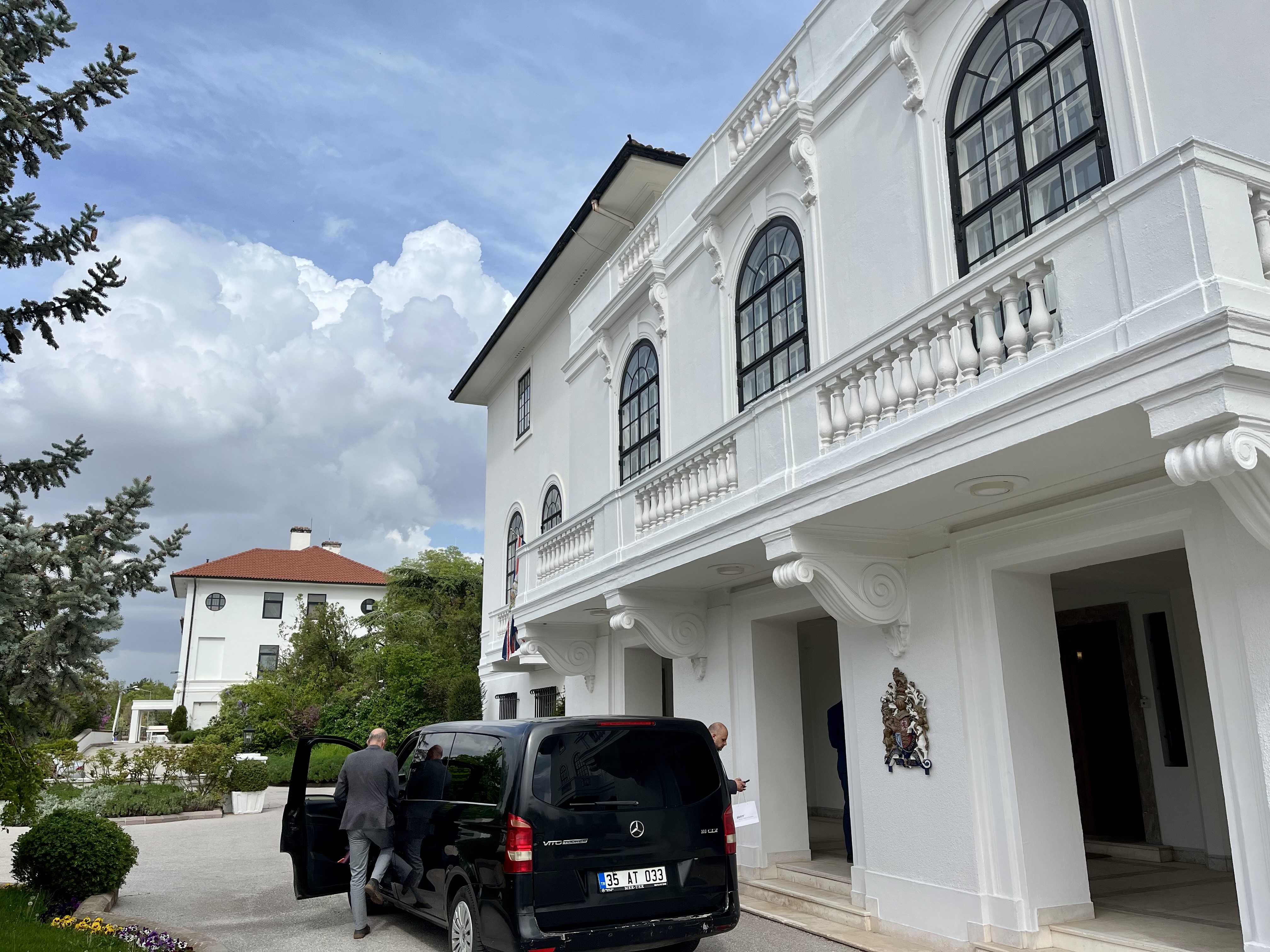
On May 12, 2026, Dr. Christian E. Rieck, at the invitation of the German Embassy in Ankara, took part in a panel discussion focused on the upcoming NATO summit in the city. The panel also included the British military representative to NATO, Brigadier General Eldon Millar; a representative of the French Ministry of Foreign Affairs, Alexandre Quinet; and Mehmet Burcin Gönenli, Deputy Undersecretary for NATO and Euro-Atlantic Security and Defense Affairs at the Turkish Ministry of Foreign Affairs. The discussion focused on the agenda Turkey intends to present at the summit, as well as the Turkish government’s ability to bring all partners to the table during a critical phase for the alliance. Turkey’s mediating role could also help the alliance expand its singular focus on the eastern flank to include maritime elements and a deepening of military-industrial relations—for example, with the Middle East. The event took place at the British Ambassador’s residence and was the result of a collaboration between the German, French, and British embassies in Ankara. A press briefing had been held at noon, and on May 13, a lecture was given to students at TED University in Ankara, which also focused on the upcoming NATO summit. The trip was organized by the Institute for Foreign Cultural Relations in Stuttgart, which funded it as part of the German government’s “Dialogue with Germany” lecture series.
21.04.2026: Book presentation "Wenn China angreift. Ein Szenario" (in German)
On April 21, 2026, political scientist and author Andreas Fulder will visit the University of Potsdam to present his book “When China Attacks: A Scenario”. Professor Neitzel and Mr. Fulder will host a discussion following the presentation.
Location: Room 1.09.1.02
Time: 6:00–7:30 p.m.
Please register in advance. s. Flyer
Study Trip to Estonia with the Group of KAS Scholarship-Holders

Study Trip to Estonia with the Group of KAS Scholarship-Holders
From April 7 to 12, 2026, Prof. Dr. Sönke Neitzel, in his capacity as liaison for scholarship-holders of the Konrad-Adenauer-Stiftung (KAS) at the University of Potsdam, led a study trip to Estonia for the KAS university groups. The group was accompanied by two students from the MA War and Conflict Studies program and Dr. Christian E. Rieck, a research associate at the chair and himself a former KAS scholar.
find more here
Christian E. Rieck argues for the new military service on rbb
On March 10, 2026 Dr. Rieck was a guest on rbb24 - Der Talk to discuss the new military service. The guests represented the political spectrum from Die Linke to the CDU, with additional perspectives from Col. Wüstner of the political representation of the Bundeswehr and from the Chair of War Studies at the University of Potsdam. The episode can be seen here [in German].
Prof. Neitzel in Lithuania
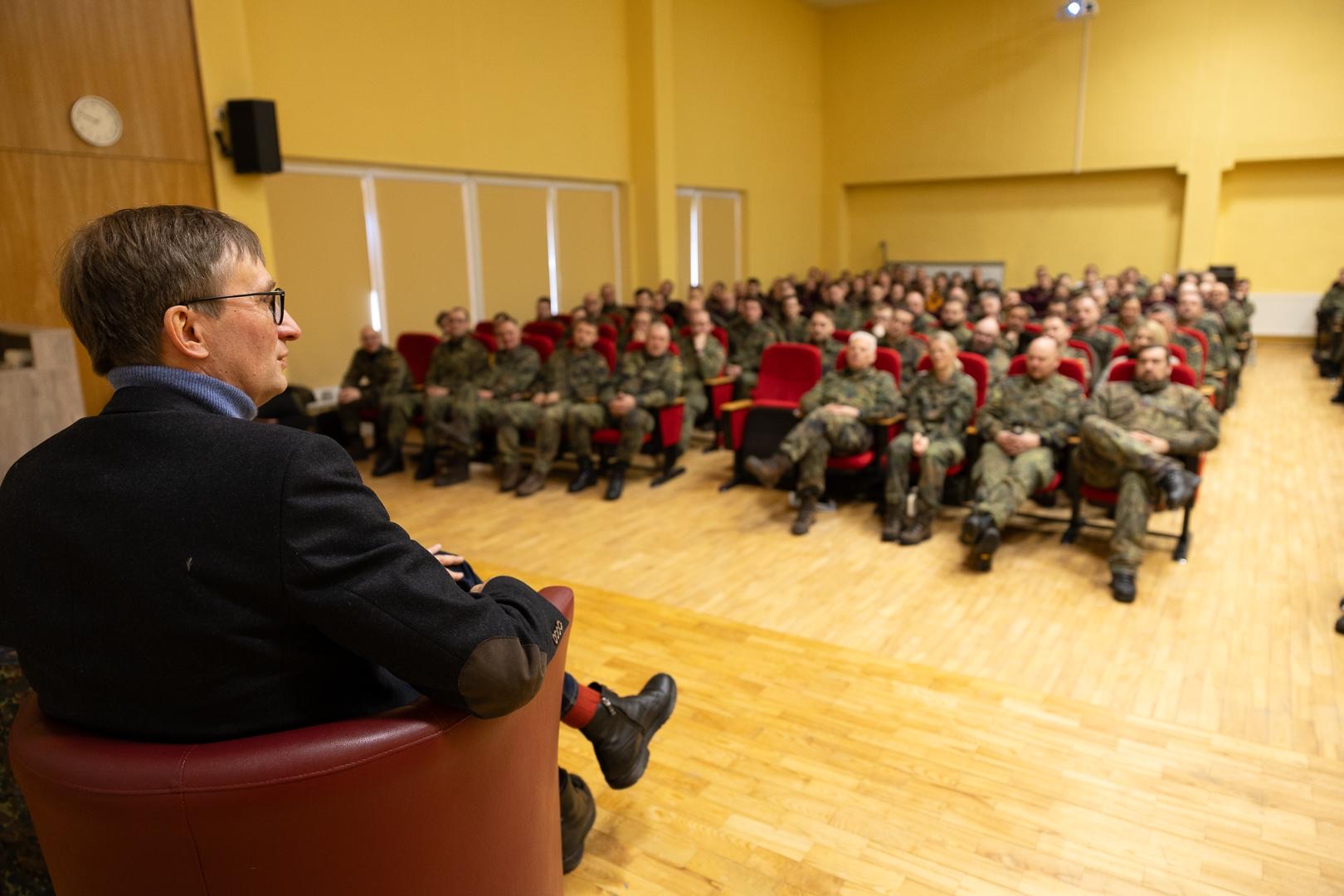
From February 24 to 28, 2026, Prof. Neitzel gave several lectures to soldiers of the 45th Armored Brigade in Lithuania and assessed the security situation on the ground.



Christian E. Rieck as part of a delegation of the University President in Latin America
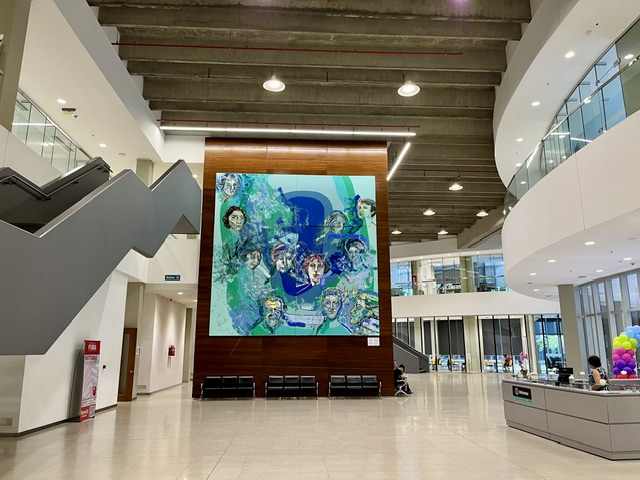
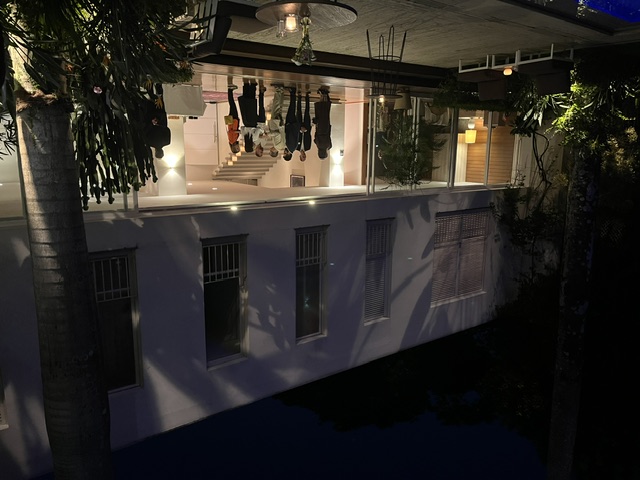
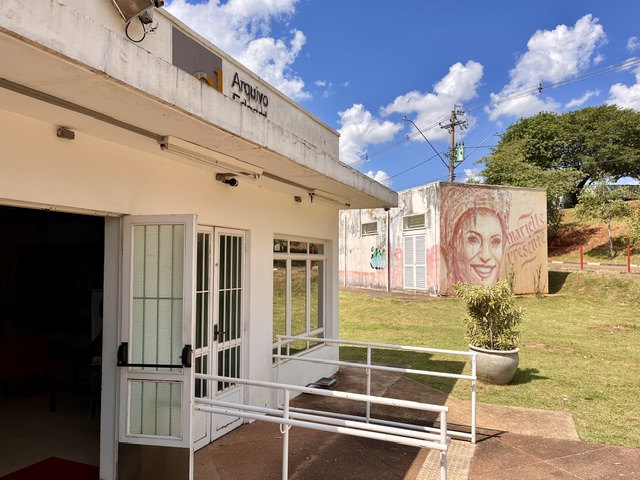
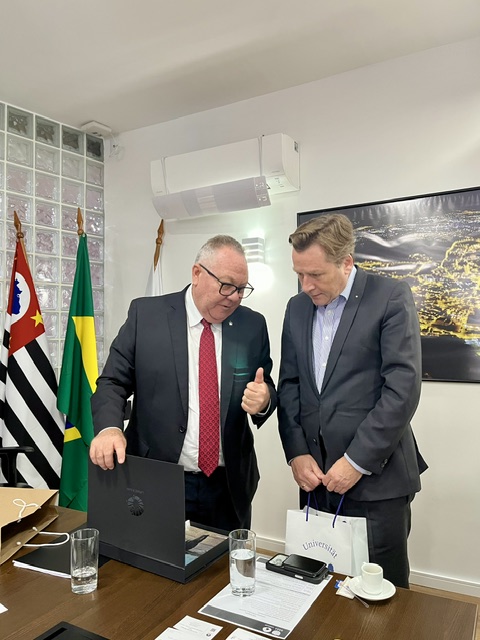
As part of a delegation of UP’s President from February 22 to March 7, Dr Rieck visited the largest partner universities and partner schools of the University of Potsdam in Latin America. Apart from select members of the faculties, representatives of the International Office and UP‘s Center for Teacher Training were also part of the delegation. During the two-week journey, partner in Colombia (UNAL, Javeriana, UniAndes), Argentina (UBA, UNSAM), Uruguay (UCU) and Brazil (UNICAMP, USP) were visited - organized by UP’s local Liaison Offices in Buenos Aires and São Paulo. These visits have given new momentum to the internationalization efforts of the university and the Faculty of Arts - not least in the area of War Studies.
Reporting on the delegation visits can be found
here (Universität Potsdam),
here (DERI),
here (USAM) and
here (Journal da USP).
-
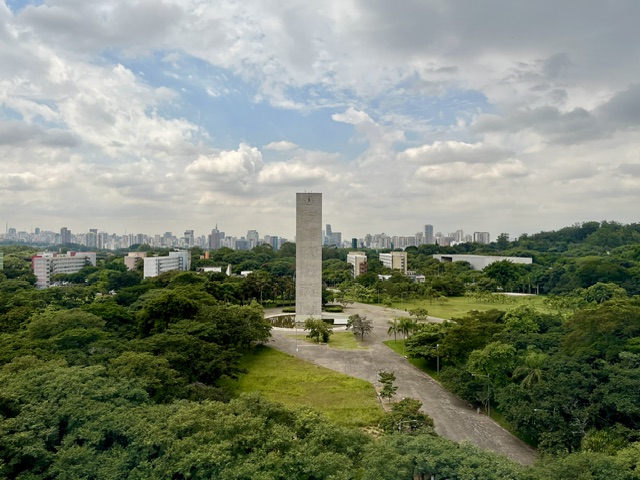
View of the clocktower and the campus of the University of São Paulo. -
University President Prof. Dr. Oliver Günther during the Alumni reception in Buenos Aires. -
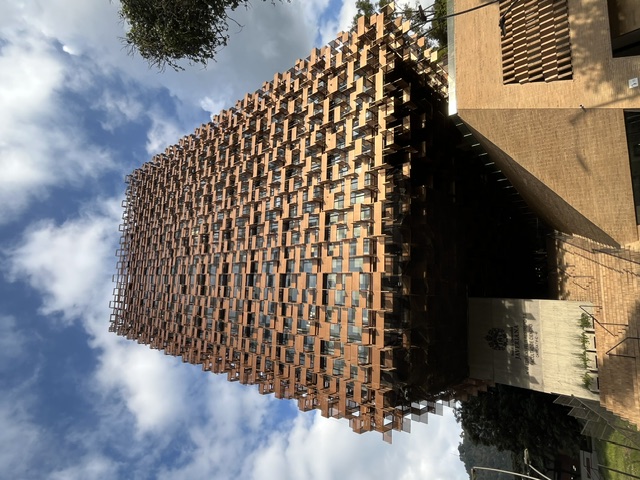
A new building of the Papal University Javeriana in Bogotá. -
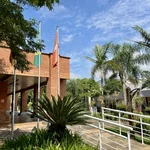
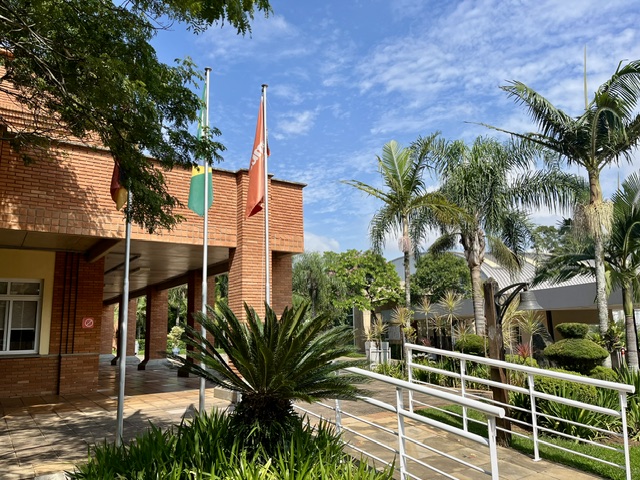
The Colégio Humboldt in São Paulo. -
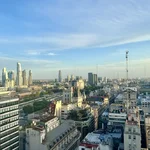
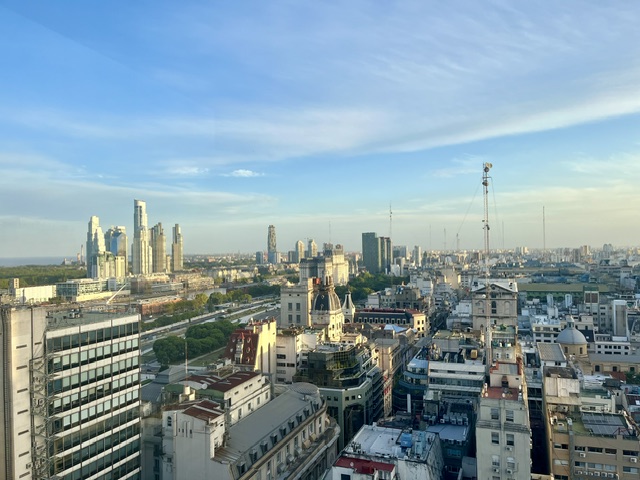
View over Buenos Aires. -
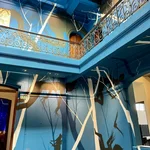
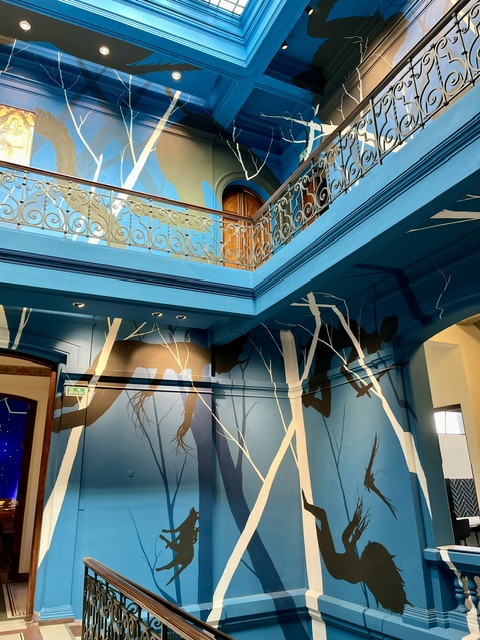
The main staircase of the Catholic University of Uruguay. -

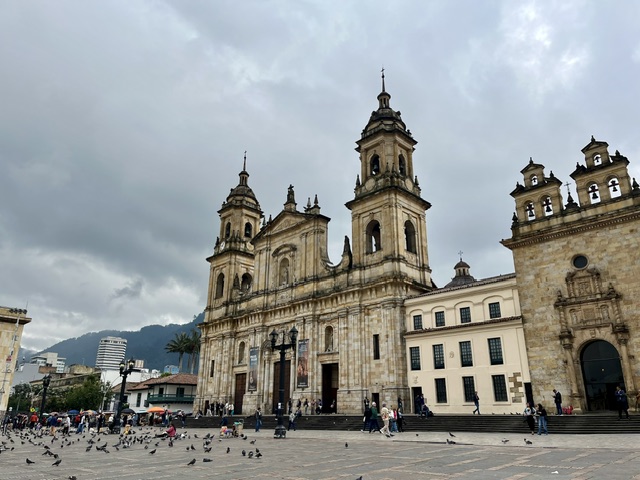
Bogotá‘s Cathedral. -
CAPAZ, a binational peace research institute, coordinated by an alliance of German universities and funded by the German Foreign Office. -
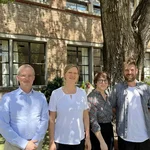
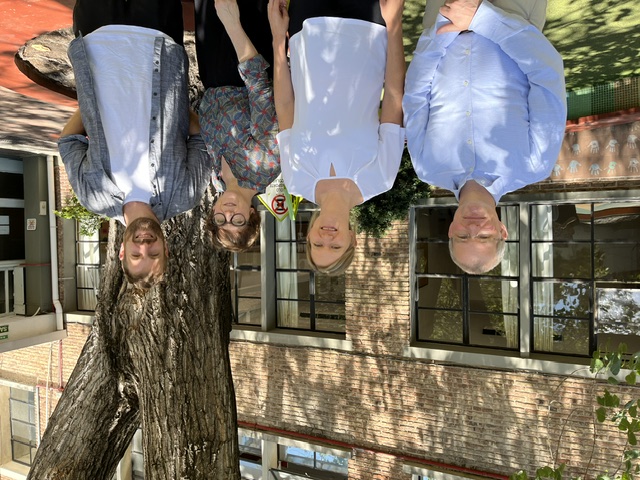
Prof. Dr. Borowski (left), Director of UP‘s Teacher Training Institute ZeLB, and Katharina Schmitt (second from right), Director of UP’s International Office, with the Headmasters of the German School Montevideo. -
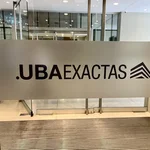
The Natural Sciences at the University of Buenos Aires. -
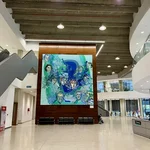
The new lecture hall building of UBA Exactas. -
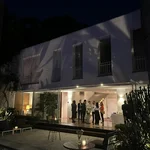
After the reception at the residence of the German General Consul in São Paulo -
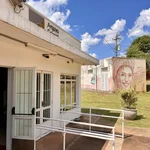
The Edgard Leuenroth Archive of UNICAMP, the largest archive of the Brazilian workers’ movement and of afrobrazilian civil society organizations. -
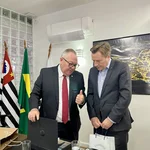
UP’s President Prof. Dr. Oliver Günther (right) with his counterpart of the University of Campinas (UNICAMP), Rector Prof. Dr. Paulo Cesar Montagner. -

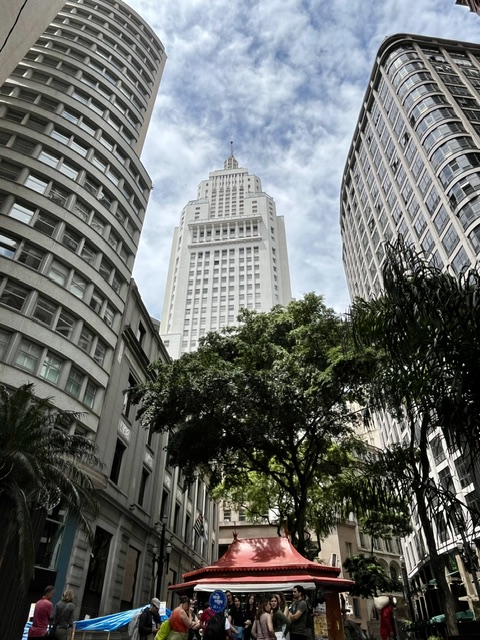
Impression from the Historical City Center of São Paulo.
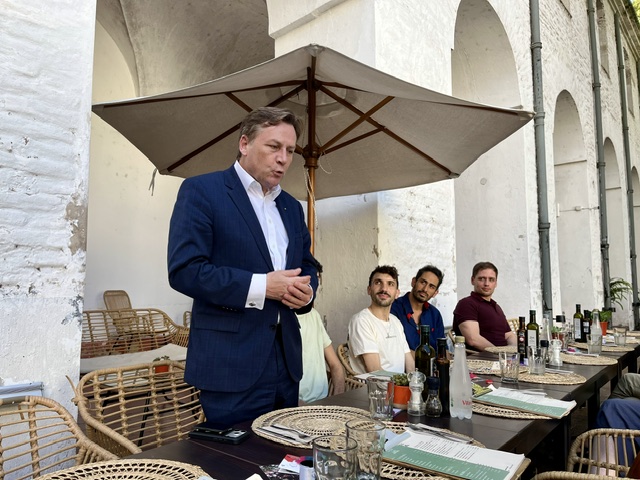

February 17, 2026 Jörg Schönbohm speech at the Garrison Church in Potsdam
On the anniversary of Jörg Schönbohm's death, the KAS organized a panel discussion to commemorate his life's work. The future of the German Armed Forces was also discussed. Questions about the defense of Europe served as a reminder of how progressive Schönbohm's ideas were even in his own time.
Prof. Neitzel gave the keynote speech.
17.02.2026 Jörg-Schönbohm-Rede: Unsichere Zeiten – Die Zukunft der Bundeswehr
On February 17, 2026, at 6:30 p.m., the Schönbohm Speech will take place at the Garrison Church in Potsdam. Professor Neitzel will deliver the keynote address and participate in the subsequent discussion (in German).
The event is organized by the Konrad Adenauer Foundation. Registration is requested. Further details can be found in the Flyer.
Book Presentation at the Chancellor Helmut Kohl Foundation
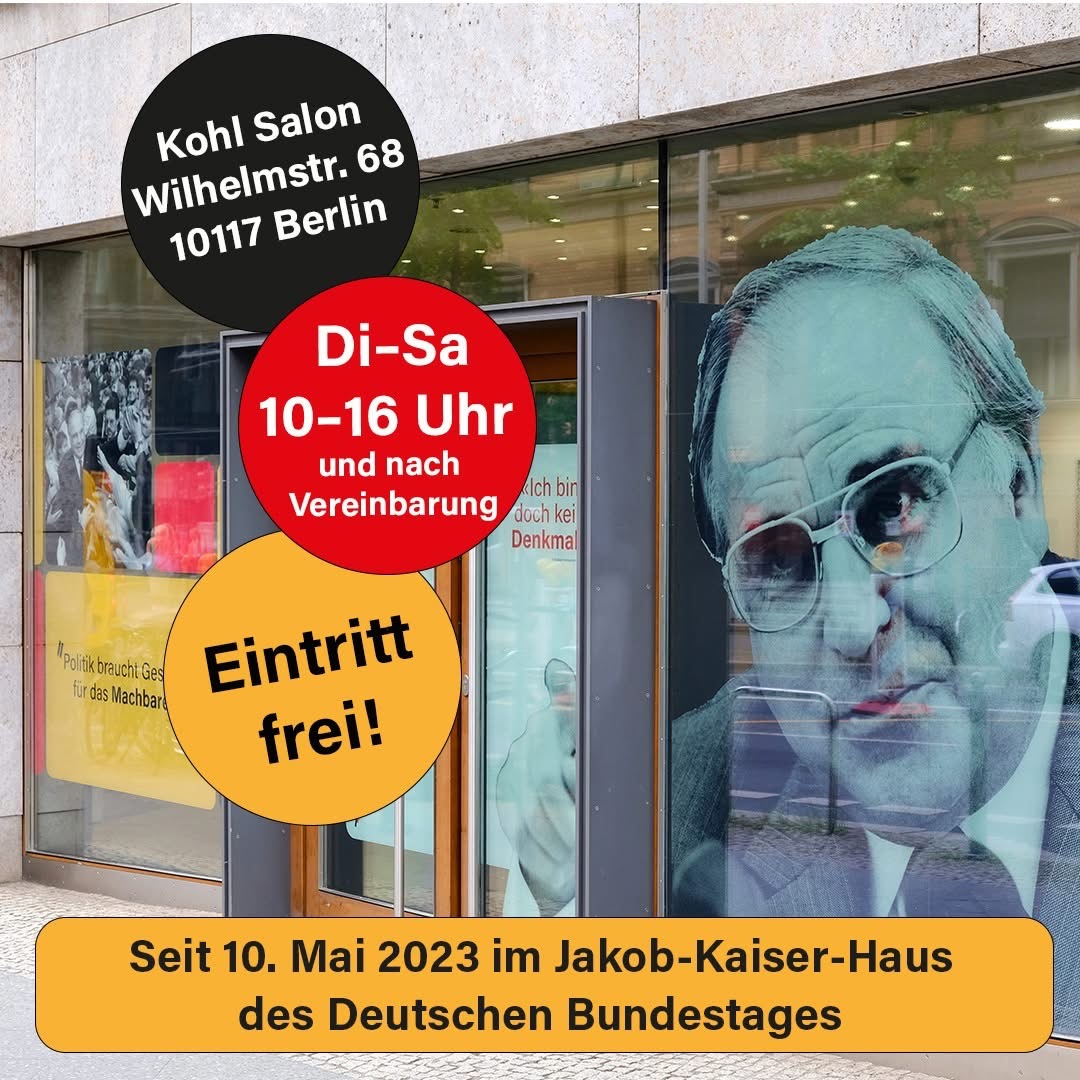
Dr Christian E. Rieck will speak at the research colloquium of the Chancellor Helmut Kohl Foundation on February 4, 2026. He will present the core theses of his book “Wissenschaft und Zivilmacht” (Science and Civilian Power), which was published by Gebr. Mann Verlag in Berlin at the end of 2024. The book is a history of the multifaceted West German science diplomacy during the Cold War, which also extends beyond 1990. In conversation with contemporary witnesses and historians, it also aims to explore the limits of archive-based diplomatic history.
School visit to the New Palace
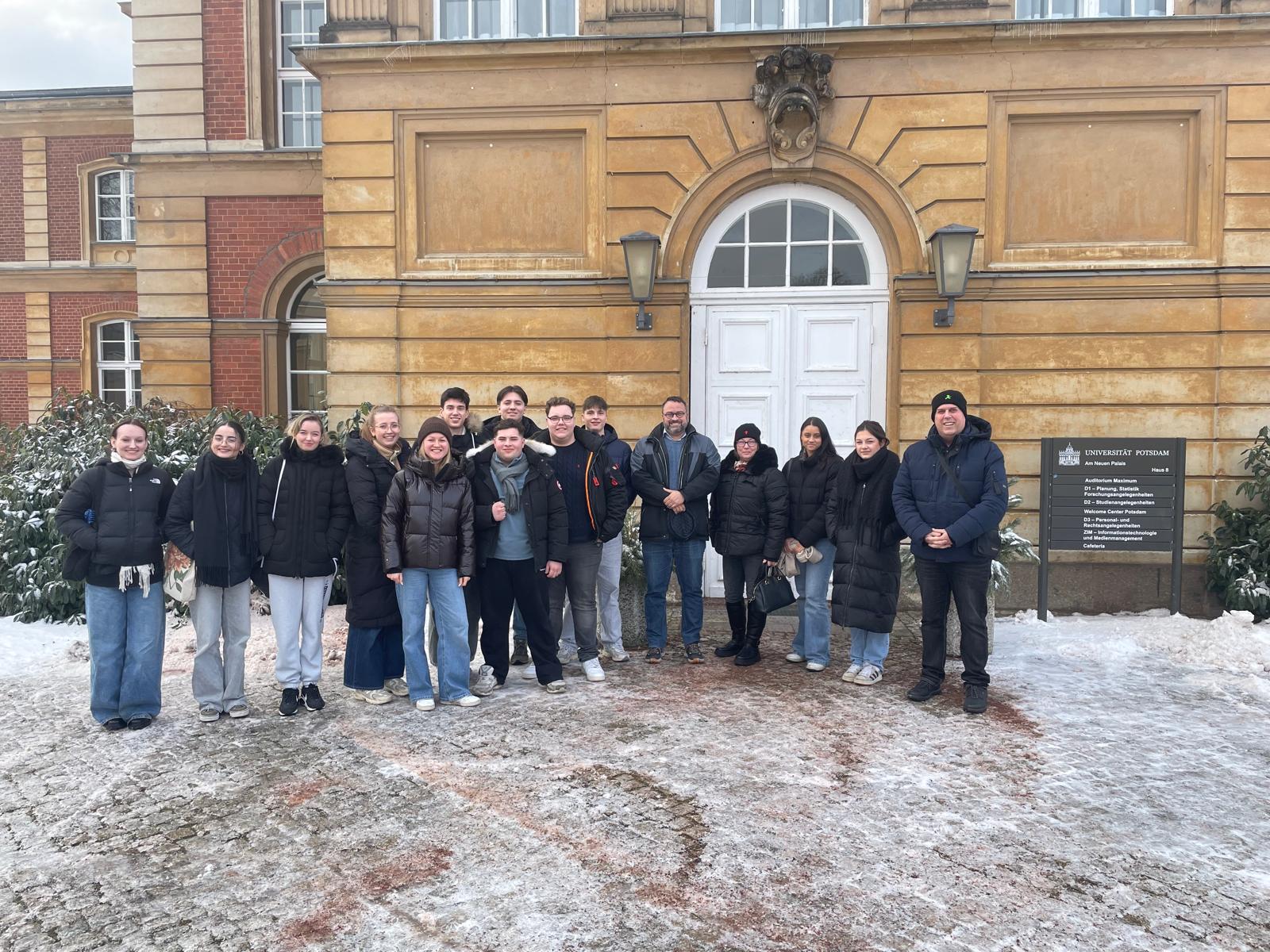
On January 28, 2026, a group of students from Heusenstamm visited the Chair of Military History to discuss current developments in German security and defense policy. Dr. Christian E. Rieck discussed with the students, above all, the new compulsory military service, which understandably preoccupied the guests greatly. Other topics included the turning point in history and the war in Ukraine. It was a lively and stimulating discussion, which the students continued afterwards—even in sub-zero temperatures—during a visit to the Neues Palais campus.
Podcast with Prof. Neitzel: “The old world is over”
In an interview with NDR Info, Professor Neitzel talks about the relationship between the EU and the US and explains why he is skeptical that the fighting in Ukraine will end soon.
Interview with Christian E. Rieck on RBB (07.01.2026)
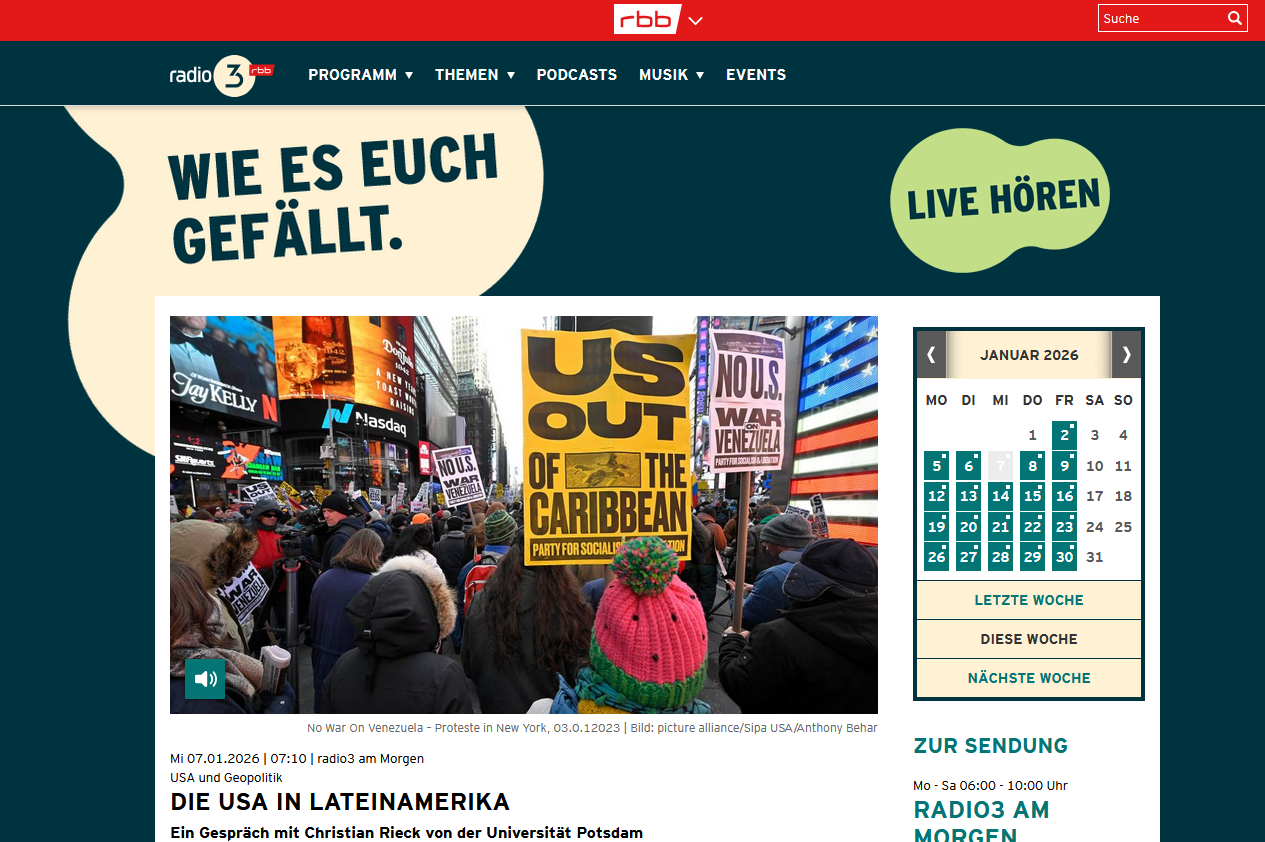
In an interview with “radio3 am Morgen,” Christian E. Rieck ventured the following thesis: The Trump administration has successfully tested a new template for regime change in Venezuela. The military success of this surgical operation will encourage it to try this elsewhere—this is a signal to the region to take the US's renewed claim to power very seriously. This fear-based gunboat diplomacy to enforce economic interests is naked superpower politics, with a modus operandi that dates back to before the Cold War.
Find more here (in German).