Student Experience
Semester abroad
Jonas Klünemann, WCS 2024/25, Universidad Nacional de Colombia, Colombia
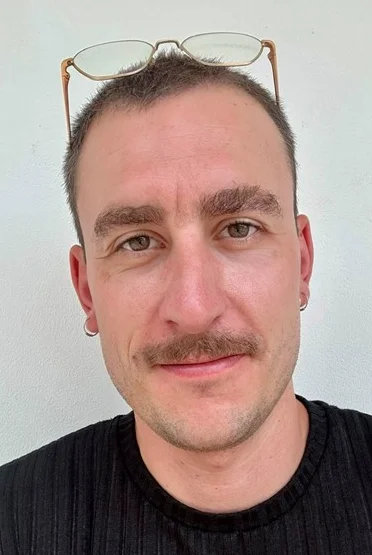
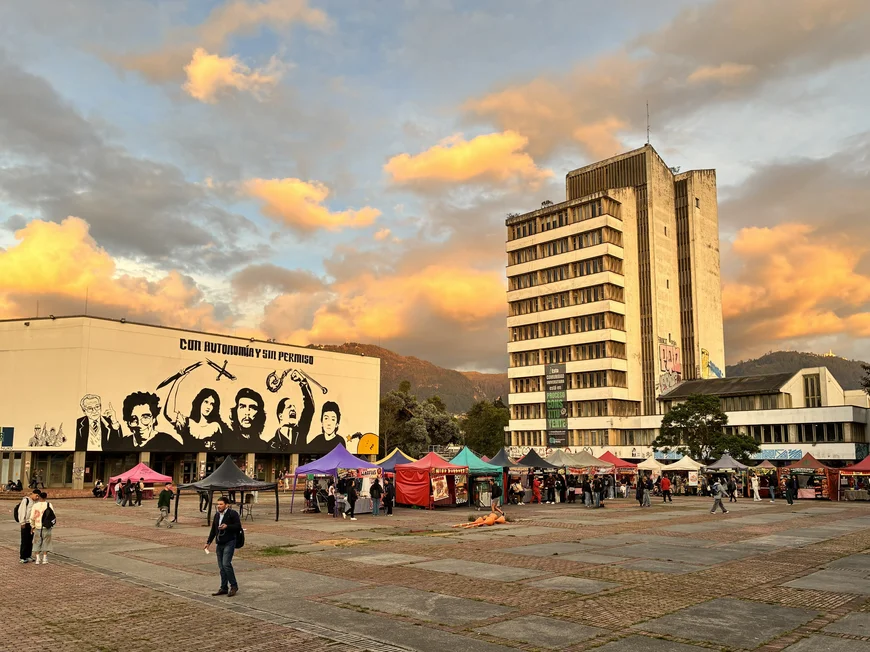
From 2 February to 29 May of this year, I had the opportunity to spend a semester studying at the 'Universidad Nacional de Colombia' (UNAL) in Bogotá, the capital of Colombia. UNAL is one of the few public universities in the country and at the same time one of its most prestigious institutions. The Bogotá campus – one of several campuses spread across Colombia – is located in the heart of the city and stands out from the otherwise concrete-dominated urban landscape through its vast green grounds.
UNAL in Bogotá is fascinating for a variety of reasons. The university is deeply intertwined with the country's political history, and numerous myths and legends surround it. These include stories about secret tunnels allegedly used by guerrilla groups to enter the university and recruit students, as well as accounts of students who disappeared or were killed by state forces during student protests in the 1980s and 1990s, and of Marxist guerrilla training centres operating within the university system. To this day, many of these narratives are invoked by both left- and right-wing political actors to support their respective interpretations of Colombia’s past, although concrete evidence is often scarce. What is beyond dispute, however, is that UNAL in Bogotá is a highly political place: Many of its professors play a prominent role in shaping public debates on Colombia’s long history of political violence, which has persisted since the mid-twentieth century, and on the country’s peace process, which continues to face significant challenges even after the 2016 peace agreement with the FARC-EP guerrilla movement.
Precisely because the university is such a political space, the beginning of my exchange semester coincided with a student strike that lasted several months and primarily affected undergraduate programmes. Fortunately, this had only limited consequences for me. Most graduate-level courses continued, allowing me to attend two particularly enriching seminars at the 'Instituto de Estudios Políticos y Relaciones Internacionales' (IEPRI). The first, taught by Professor Aguilera Peña, examined the various guerrilla movements that have emerged in Colombia since the 1960s, constantly engaging with the question of whether these groups should be understood as political or criminal actors. The second, taught by Professor Molano Cruz, explored the international dimensions of Colombia’s different peace initiatives since the 1990s, with a particular analytical focus on the crucial role of the international community in intrastate peace processes.
IEPRI is a highly dynamic institute that regularly organises public events beyond the university itself and is strongly interdisciplinary in character. Many of its faculty members have been directly or indirectly involved in peace negotiations and have accompanied Colombia’s armed conflict and its various peace processes through decades of critical academic engagement (unfortunately, this has also meant that the institute’s seminar rooms have had to be equipped with bulletproof windows). Studying the Colombian conflict and building professional and personal connections in such an environment was a unique opportunity and an immensely impressive experience. I would therefore wholeheartedly recommend a semester abroad at UNAL in Bogotá to anyone interested in Latin American or Colombian history and politics.
Lynn Ossenbrüggen, WCS 2023/24, Marmara University Istanbul, Turkey
During my Master studies in War and Conflict Studies at the University of Potsdam I have had the valuable opportunity to spend my second year, the academic year 2024-25, as an ERASMUS student abroad in the fascinating, overall inspiring and personally enlightening city of Istanbul in Türkiye. While apart from some Turkish and Turkish German people in my personal network and friend group my contacts towards and knowledge about the country and the region had been very limited before my stay, this place on earth truly taught me many things about alternative workings of society, the mechanisms of international affairs and the nature of prevalent conflicts during that year. Despite those worthwhile insights and teachings, it similarly truly became another place I would consider home.
Let’s start from the beginning, however. My idea to spent a year studying Türkiye arose from the fact that despite the almost permanent conflictual characteristics of the region that Türkiye is situated in and its own relevance as the regional powerholder, despite the significant population share people with Turkish descent in Germany, thereby similarly influencing Turkish and German politics, hold, and despite the relevant economic relations the two countries have, general knowledge in Germany about this country and its neighborhood is limited at best. As a War and Conflict Studies student, attempting to understand the development of especially conflictual international affairs, I aspired to dive deep into the local context to learn about and understand its circumstances.

During my Master studies in War and Conflict Studies at the University of Potsdam I have had the valuable opportunity to spend my second year, the academic year 2024-25, as an ERASMUS student abroad in the fascinating, overall inspiring and personally enlightening city of Istanbul in Türkiye. While apart from some Turkish and Turkish German people in my personal network and friend group my contacts towards and knowledge about the country and the region had been very limited before my stay, this place on earth truly taught me many things about alternative workings of society, the mechanisms of international affairs and the nature of prevalent conflicts during that year. Despite those worthwhile insights and teachings, it similarly truly became another place I would consider home.
Let’s start from the beginning, however. My idea to spent a year studying Türkiye arose from the fact that despite the almost permanent conflictual characteristics of the region that Türkiye is situated in and its own relevance as the regional powerholder, despite the significant population share people with Turkish descent in Germany, thereby similarly influencing Turkish and German politics, hold, and despite the relevant economic relations the two countries have, general knowledge in Germany about this country and its neighborhood is limited at best. As a War and Conflict Studies student, attempting to understand the development of especially conflictual international affairs, I aspired to dive deep into the local context to learn about and understand its circumstances.
I spent the year studying at Marmara University Istanbul, one of the biggest and oldest public universities in the country. I have mainly participated in classes about Turkish history, politics and foreign policy, noticing that university here works quite differently than in Germany. While it was definitely possible to learn a lot when one was dedicated to the classes and did a lot of self-study, they were usually based on lectures with few participation, no discussion and less overall structure. Reflecting on the political system and developments in Türkiye, the experience of this teaching style also provided some meta level learnings to me.
Thus, as I could only take so much out of the classes themselves, the majority of the insights I made during the year were made outside the classroom in countless conversations and discussions with my fellow Turkish students and friends about their country’s history, identity and purpose, its current development, their disillusionment about it, their hope which some of them are still keeping up and their plans, ideas and dreams for the future. Additionally, I have made use of the opportunity to travel to almost all parts of the country at least once to get in touch with diverse local populations differing in their life experiences and positions towards politics. The Turkish people are generally truly the most hospitable and friendly people I have ever encountered which will make me forever thankful.
Among the many things I take away from this stay - I could probably write a whole book about it – is the relevance of constructed narratives for societal historical and contemporary political understandings, the upholding effects this can have on conflictual perceptions within and between civil societies and the elite’s proneness to make use of it. In addition, I - again – came to appreciate the many privileges I have been granted during my studies and in my life in Germany, among them the freedom to unite and protest without fear and the German state’s general interest in free democratic education and reflection. While this is to be protected and upheld in Germany, I hope that such circumstances, and all that goes together with it, will be reality for the Turkish people as well, soon.
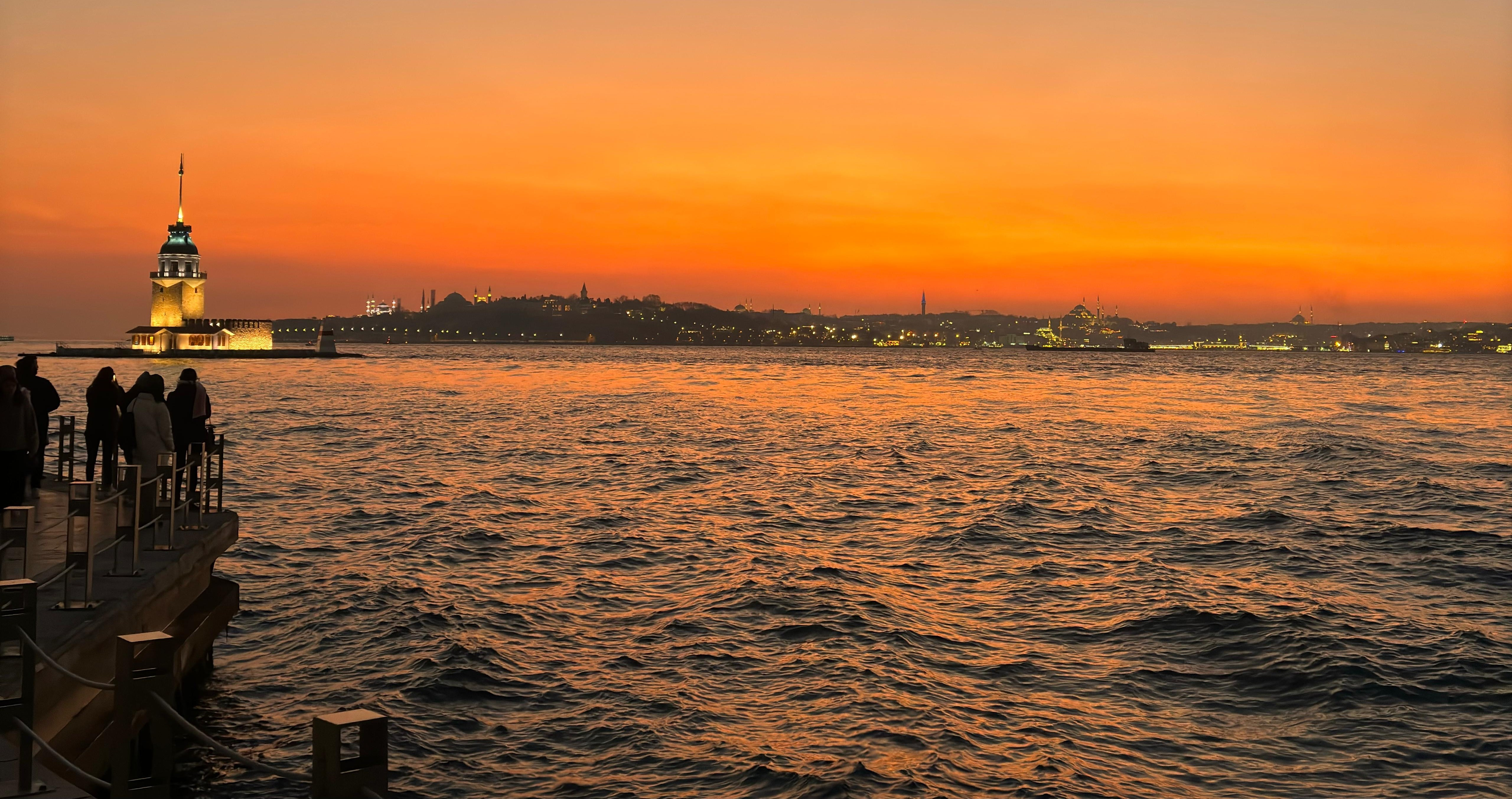
On a less political, critical and emotional note, the city of Istanbul I would definitely recommend to experience and live in for a while, it is such a beautiful and diverse city, both regarding its landscape and nature, as well as its people. You can really move within half an hour between completely westernized areas with bars, clubs and Western brand shops to very conservative religious neighborhoods where you will not only see at least one Turkish flag everywhere you look – this is the case almost everywhere in the country – but also at least one mosque. You can spend months walking Istanbul and still discover new streets and neighborhoods, each with their own people, stories and charm. Also, activity-wise, opportunities are endless with its location at the Bosphorus, beautiful islands close by, many museums, parks and sport facilities. One of my first impressions of Istanbul was: If you can afford it – the inflation here is insane and really burdening the local people and also for Western European standards it is by no means a very cheap city any more – the city has one of the highest qualities of life I have ever encountered. In that sense, for the sake of an all consuming educational and personal experience that can make one understand, learn and grow, I would highly recommend spending a study period abroad in Istanbul.
Stephen Crowley, IWS 2022/23, Swedish Defence University, Sweden


Following the signing of the Memorandum of Understanding between Uni Potsdam and the Swedish Defence University (FHS/SEDU), I had the pleasure and privilege of being the first exchange student to represent Potsdam during their Autumn semester from September 2024 until just last month.
The coursework here in Stockholm was structured in a manner very like that of Potsdam, with a great emphasis on seminars and open discussions. In addition to the open discussions facilitated by the coursework itself, the university also frequently hosts guest speakers and lecturers, including our own Prof. Neitzel, which provide the opportunity for questions and discussions with the experts directly. Although the academic coursework currently has a focus on Scandinavia (not unsurprisingly), the guest speakers and lectures cover a broad spectrum of topics from military history to contemporary issues, most notably the war in Ukraine and Sweden’s response to it.
As for the city outside the university, Stockholm in my opinion is one of the most scenic and pleasant European cities I have spent time in, well-connected and with a vibrant social scene, even with the winter darkness. The university acts as a great conduit for this, with its weekly drinks in the officer’s mess among the most memorable of its organised social events.
I can undoubtably say that I am glad I undertook this exchange, and I would highly recommend current students of our programme, who have the chance, to take full opportunity of this exchange between us and Scandinavia’s premier military staff college.
Raphael Nicolai, WCS 21/22,
Duke University, United States of America
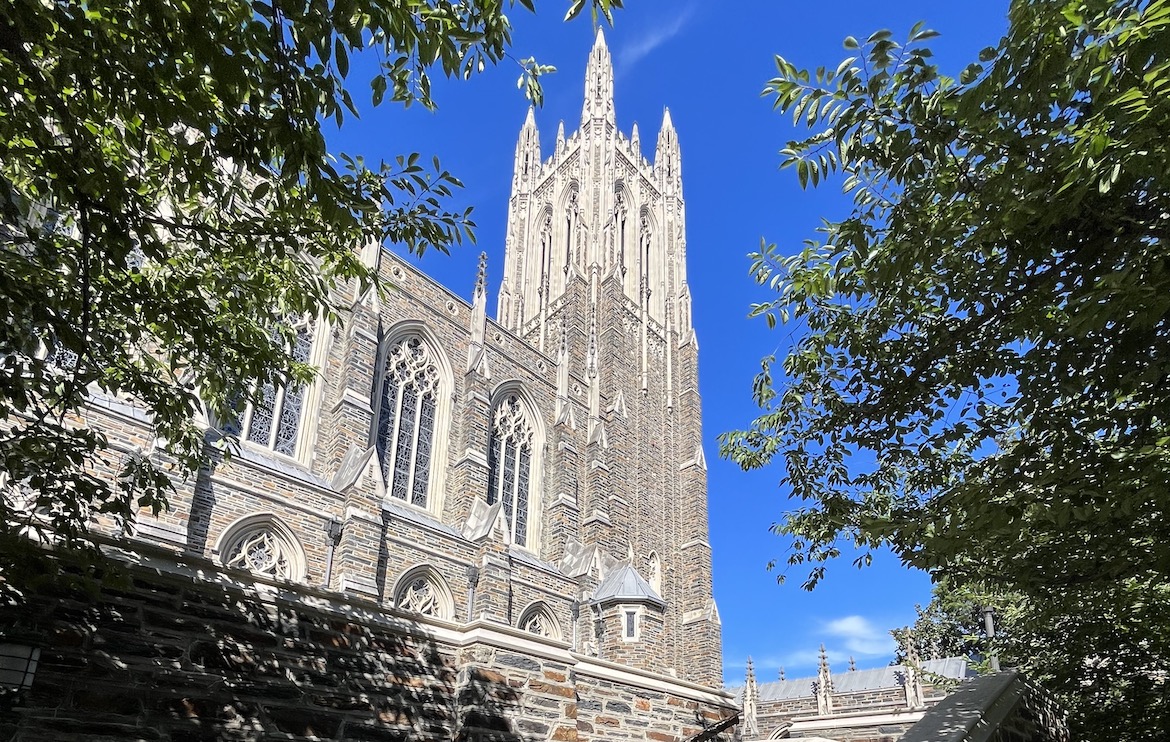
It was already clear to me at the beginning of my Master's programme that I wanted to spend a semester abroad. I chose Duke University because it offers a wide range of courses and subjects. Furthermore, it was always a wish of mine to live and study in the USA for some time.
Attending a US university and living in the US is a very valuable experience. Duke University is a small, private university in the former southern states and is located relatively centrally in North Carolina. Durham as a city is small and you quickly notice that student life is concentrated on the campus and a few bars and clubs. From a German perspective, the campus itself is huge and more like a park. The Duke University Chapel and the Sarah P. Duke Gardens are famous throughout the country and you sometimes forget that you are still on a campus.
I took my courses primarily at the Department of Political Science and the Sanford School of Public Policy - the latter in particular is highly recommended and a place of great expertise. Given the high tuition fees that regular students have to pay, the university offers practically everything - from its own fitness centres to a medical centre and high-priced restaurants. The American university system is very different from the German system, and classic assignments are rare. Instead, the focus is on essays, oral participation and smaller project work. In addition, the individual courses (as in Potsdam) are much smaller and therefore much more intensive than you are used to at German universities. This is a great experience and it is advisable to actively participate and ask many questions, also in order to receive appropriate feedback. Overall, the supervision is much more intensive than in Germany and you have very privileged access to professors and other academic resources.
Durham itself has developed enormously in recent years and offers a variety of new bars and other venues in the city centre, so that you can also do a lot off campus. At the same time, you should be aware that Durham is only a small city and Duke University is often referred to as a "bubble". Durham itself is very progressive and liberal, while the rest of North Carolina is more conservative. Travelling around the US is therefore highly recommended and both the sea and the mountains can be reached within a few hours. Overall, my semester abroad at Duke University was a very nice experience and I was able to learn a lot personally and academically. A stay at Duke University is definitely recommended and a great experience.
Lea Friedrich, WCS 19/20,
Université de La Réunion, Französisches Überseegebiet
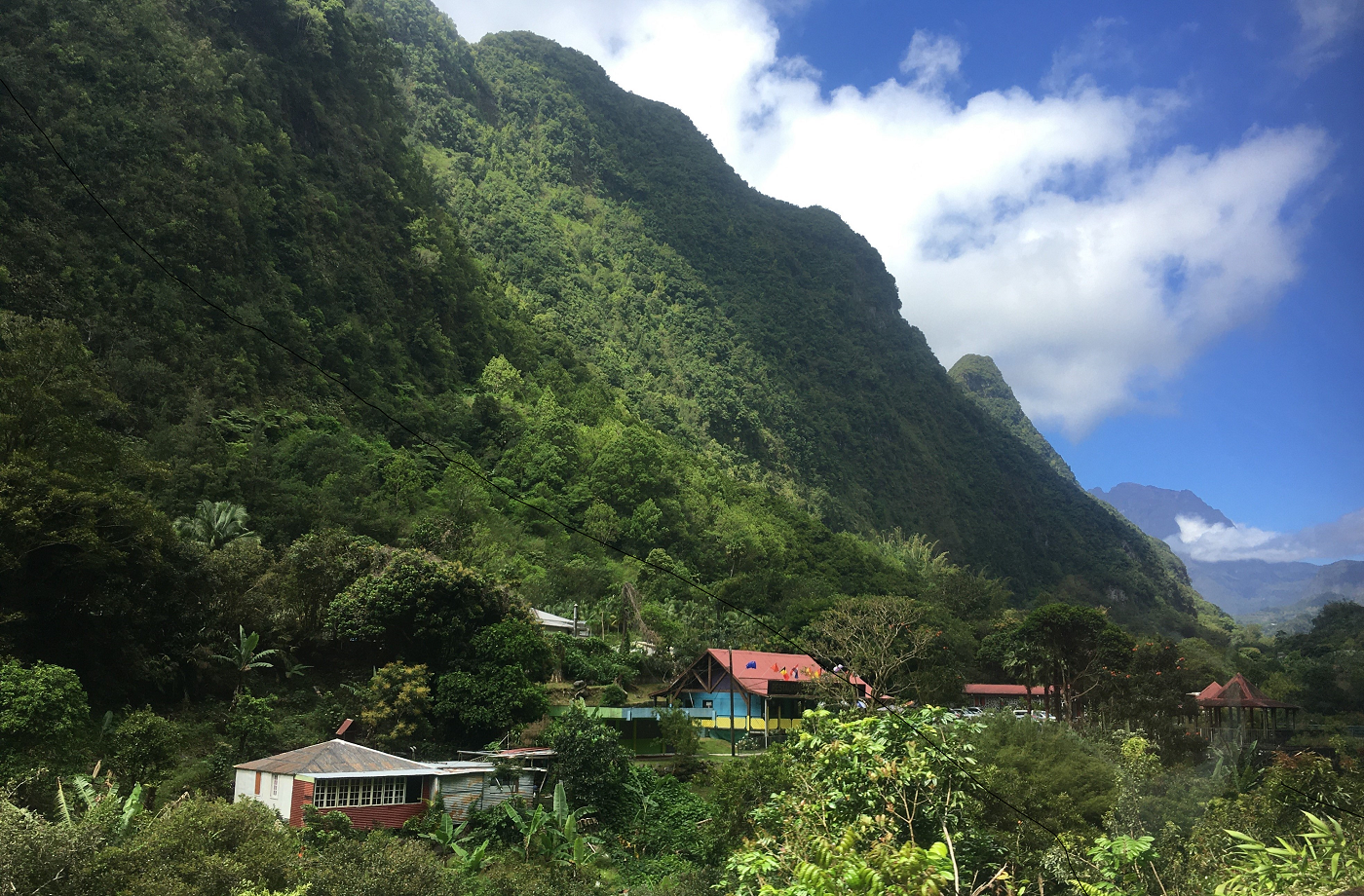
In dieser turbulenten Zeit ein Auslandssemester absolvieren zu können, ist keinesfalls selbstverständlich. Zumal mein eigentliches Vorhaben, ein Semester in Russland zu verbringen, an der einsetzenden Pandemie scheiterte. Mein Wunsch im Ausland zu studieren, blieb trotzdem ungebrochen. Also suchte ich nach „sichereren“ Optionen und stieß auf das Erasmus-Programm. Konkret ergab sich daraus eine exotische Variante – die Université de La Réunion, Insel im Indischen Ozean, französisches Überseedepartement und damit EU – was mir sofort zusagte.
Aus geistes- und sozialwissenschaftlichen Studiengängen kommend, ist man angegliedert am gut ausgestatteten Campus in St. Denis, der Hauptstadt der Insel. Hier werden sowohl einige einführende englischsprachige Veranstaltungen und Sprachkurse für Erasmus-Studenten angeboten als auch die ganze Bandbreite an regulären französischsprachigen Vorlesungen. Von Kolonialgeschichte über Geopolitik bis hin zur Soziologie präkolonialer Zivilisationen in dieser Region ist alles dabei, was den geneigten WCS-Studenten interessieren dürfte. Gute bis sehr gute Französisch-Sprachkenntnisse und viel Flexibilität sollte man allerdings mitbringen, da die Lehre als eher verschult zu bezeichnen ist und die Organisation sehr locker gehandhabt wird. Aufgrund der Vielzahl an kulturellen Angeboten wie etwa dem „tandem bilingue“ kommt man schnell auch mit einheimischen Studierenden in Kontakt. Am Wochenende verspürte der ein oder andere wegen der Vielzahl an Ausflugszielen fast schon einen gewissen Freizeitstress. Die ökologische Diversität der (Vulkan-)Insel ist aber auch einzigartig: tropischer Regenwald á la „Jurassic Park“, weiße und schwarze Traumstrände sowie karge, marsähnliche Vulkanlandschaften.
Am meisten fasziniert hat mich persönlich die Kultur der lokalen Bevölkerung, der Kreolen. Die historisch bedingte ethnische Vielfalt ist durch starke afrikanische, indische, tamilische, chinesische und arabische Einflüsse geprägt, weshalb sich auf der Insel neben Kirchen und Moscheen auch Hindu-Tempel finden. Die geografische Lage lässt das im regionalen Vergleich wirtschaftlich besser gestellte La Réunion heute wiederum zum Ziel für Migration aus Madagaskar, den Komoren und dem ebenfalls französischen Mayotte werden. Interessant fand ich zudem den Perspektivwechsel: Europa ist durch Frankreich ist zwar präsent, der geografisch bedingte Fokus liegt jedoch deutlich auf der Region Ostafrika, Maskarenen und Indischer Ozean. Unter einem (entwicklungs-) politischen Gesichtspunkt warf der Kontext der Insularität und die bewusste Entscheidung, Teil Frankreichs zu bleiben, für mich höchst spannende Fragen auf. Alles in allem war meine Zeit auf La Réunion ein überaus lehrreiches Abenteuer, das mich sowohl sprachlich gefordert als auch akademisch und kulturell bereichert hat.
Sophia Wellek, WCS 18/19,
Hebrew University of Jerusalem, Israel

Eigentlich führte mich nicht das Masterstudium in „War & Conflict Studies“ zum Auslandssemester nach Israel/Palästina, sondern motivierten mich meine akademischen, beruflichen und privaten Erfahrungen in der Levante zum Studium in Potsdam. Auch wenn Israel, Palästina und Jordanien, wo ich schon im Rahmen und nach Abschluss meines Bachelorstudiums gelebt habe, im direkten Vergleich zu den von Bürgerkrieg geprägten Nachbarländern in den letzten Jahren „relativ“ stabil waren, so prägte die Erfahrung mich sehr stark: Sie führte mir den Krieg vor Augen und rüttelte mich aus dem Friedenstraum in Europa. Außerdem lässt der israelisch-palästinensische Konflikt Außenstehende sehr schnell am Scheitern von Mediationsversuchen und ähnlichen Konfliktbewältigungsmethoden frustrieren. Diese Erkenntnis brachten mich daher zum Masterstudium nach Potsdam – klar war jedoch, dass ich unbedingt wieder ein Auslandssemester in der Region machen würde und so landete ich im dritten Semester (2019/2020) in Jerusalem.
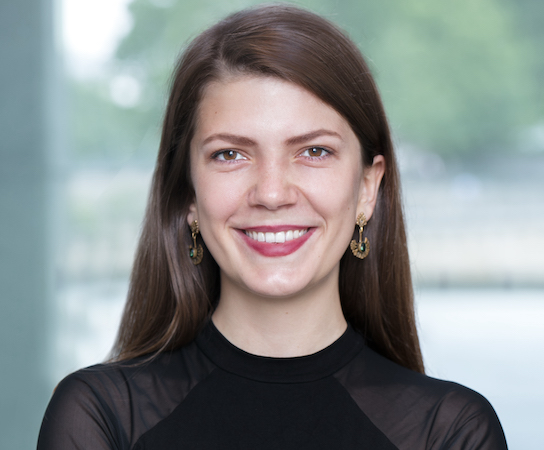
Das Studium an der Hebrew University of Jerusalem (HUJI) kann ich Konfliktforschern natürlich sehr empfehlen. Schon allein aufgrund der besonderen Lage in Ostjerusalem kann man den israelisch-palästinensischen Konflikt an der HUJI im Gegensatz zum Studium an anderen israelischen Unis (z.B. in Tel Aviv) nicht ausblenden. Im Vergleich zu den palästinensischen Unis (z.B: in Birzeit) trifft man auf dem Campus der HUJI sowohl auf Palästinenser als auch auf Israelis. Das Studienangebot im Bereich Konfliktforschung an der HUJI ist auf jeden Fall sehr vielseitig und interdisziplinär, so kann man Kurse in Geschichte, Völker- oder Kriegsrecht, sog. „Nahost“-studien, Kommunikationwissenschaften (z.B. zu Kriegspropaganda) oder sozialwissenschaftlichen Kurse mit Bezug zum Forschungsthema „Konflikt“ belegen. Ein weiterer Vorteil ist, dass der Sprachkurs in Hebräisch oder Arabisch an der HUJI kostenlos und gleichzeitig sehr anspruchsvoll ist. Ich würde aber jedem Interessenten auf jeden Fall raten, sich vorab mit der politischen Dimension der Universitätslage und -geschichte zu beschäftigen und auch bei der Wohnungssuche in der geteilten Stadt sensibel vorzugehen.
Insgesamt lässt sich die Erfahrung in Jerusalem nur schwer in drei Absätzen zusammenfassen. Die wichtigste Komponente des Aufenthalts ist vermutlich die Vielseitigkeit der Region. In kürzester Zeit kann man zwischen den Welten springen, wenn man das sucht und will und natürlich nur wenn man mit einem entsprechend privilegierten Reisepass gesegnet ist. Ein Tag in Jerusalem könnte so aussehen: Man entdeckt beispielsweise die arabische Süßspeisenküche im palästinensischen Teil (ich war Knafeh-süchtig!), spaziert dann durch das ultraorthodoxe Viertel Mea Shearim, wo einem das Leben anachronistisch vorkommt und abends erinnert einen dann die Weggehkultur doch wieder an die westliche Welt. Man reist gleich schnell nach Ramallah und Tel Aviv, in die Wüste oder ans Meer, ist schnell in Jordanien oder auch Ägypten. Daher auch mein wichtigster Rat für den Aufenthalt dort: Offenheit und Neugierde, aber auch Sensibilität und Aufmerksamkeit durch Nachfragen und Zuhören. Das alles kann einen doch an viele Orte führen, an denen man nicht nur professionell wächst, sondern vor allem auch Geschichten für‘s Leben sammelt.
Lucas Hirsch, WCS 18/19,
University of Glasgow, United Kingdom
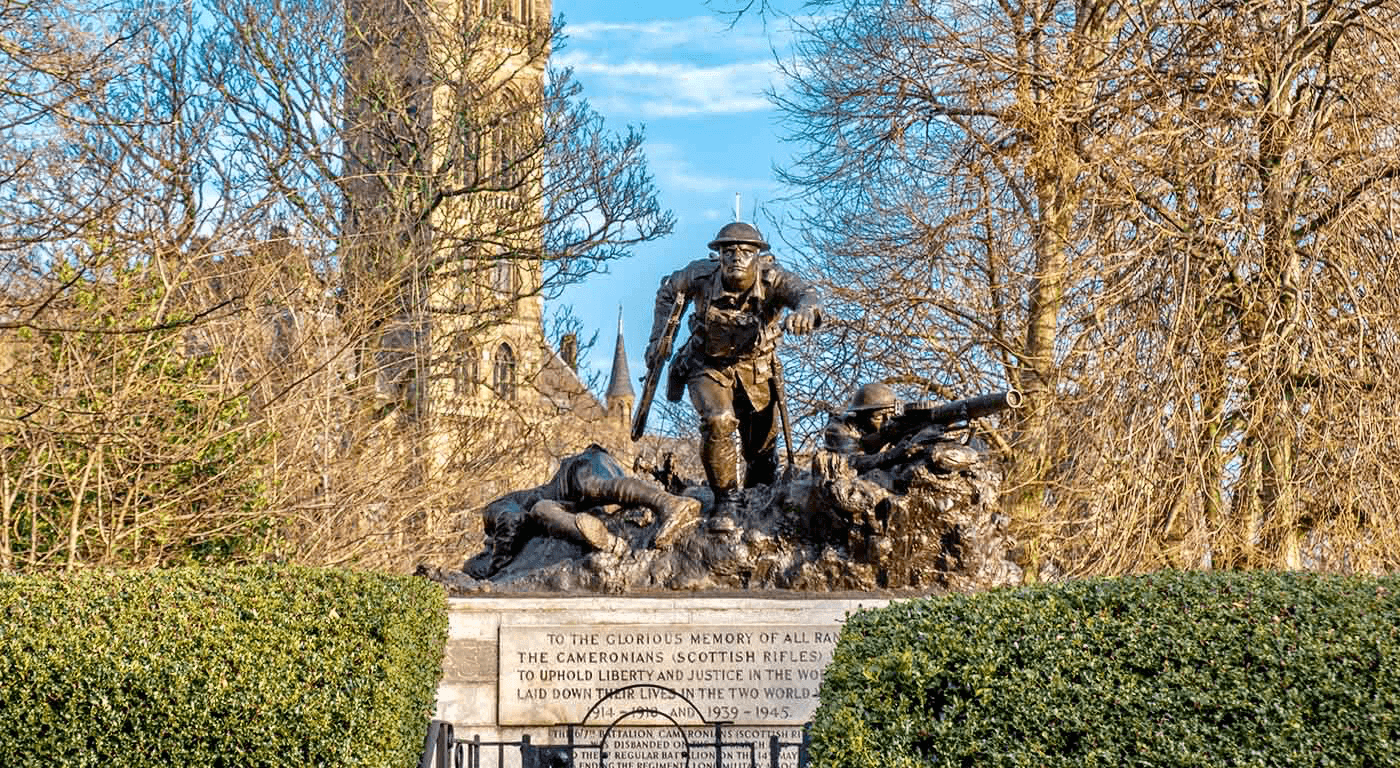
Den Entschluss mein Auslandssemester in Glasgow zu absolvieren, fasste ich bereits in der ersten Woche meines Masterstudiums, nachdem Professor Neitzel in der ersten Sitzung von dieser Möglichkeit berichtete. Der formelle Bewerbungsablauf verlief relativ unkompliziert und schon wenige Tage nach meiner Bewerbung erhielt ich die formelle Zusage. Die Frist für meinen Aufenthalt von Januar bis April 2020 war der 1. Dezember 2019. In Glasgow habe ich ein Postgraduate Certificate (PGCert) in War Studies absolviert. Dieses erhält man nach der erfolgreichen Absolvierung von drei Kursen à 20 credits (entspricht 10 ECTS), was wiederum einer gewöhnlichen Semesterleistung in Deutschland gleichkommt. Die Studiengebühren betragen etwa 3.000 Euro.

Ankunft und Start hätten reibungsloser nicht verlaufen können. Der Ablauf der Seminare unterscheidet sich nicht groß von deutschen Universitäten. Es müssen in der Regel eine 15-minütige Präsentation, begleitet von einer schriftlichen Ausarbeitung derselben, sowie ein längeres Essay zum Ende der Vorlesungszeit erbracht werden. Der größte Unterschied besteht in der Menge der Lektüre, die es für jede Seminarsitzung vorzubereiten gilt. Bleibt man dort nicht auf dem Laufenden, gerät man in Diskussionen recht schnell ins Hintertreffen.
Ich habe meine Zeit in Glasgow außerordentlich genossen. Die War Studies-Kohorte ist mit 16 Leuten relativ klein und bereits nach der ersten Woche war ich voll in die Gruppe integriert und habe in meiner Zeit dort viele Freundschaften geschlossen. Es gab über die Seminare hinaus eine Fülle an Abendvorträgen und Veranstaltungen und ich nahm an so vielen wie möglich teil. Die Studenten des War Studies Programms haben zudem eine War Film Society ins Leben gerufen, im Rahmen derer wir jeden Freitag einen Film geschaut haben, der thematisch zu einem der während der Woche besprochenen Themen passte. Einen Aufenthalt in Glasgow kann ich jedem uneingeschränkt empfehlen. Die Einblicke, Möglichkeiten und Kontakte die sich mir dort ergeben haben gehen weit über das rein Akademische hinaus und waren ungemein bereichernd.
Kevin Klemann, WCS 18/19,
State University Saint Petersburg, Russia
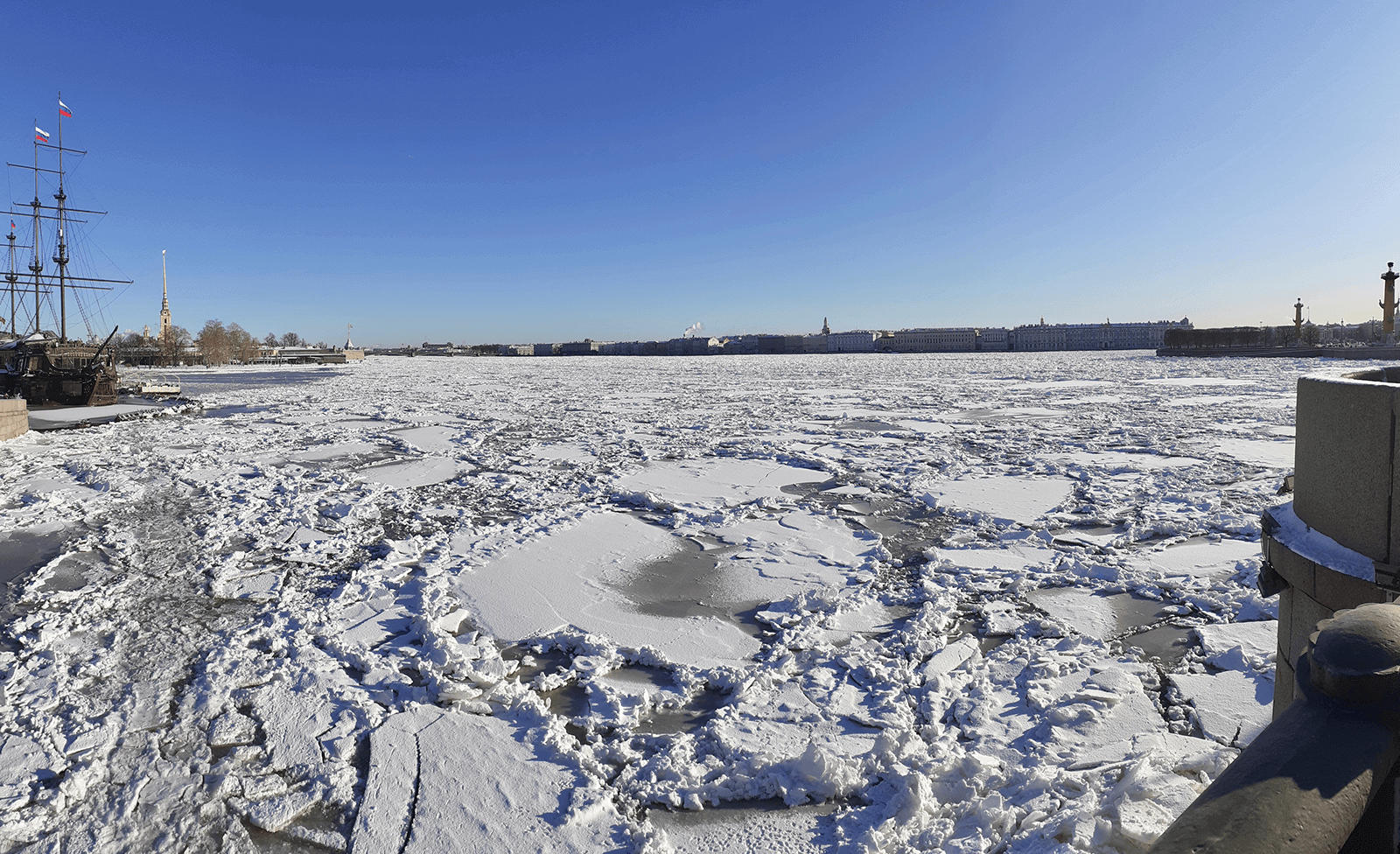
Im akademischen Jahr 2019-2020 habe ich an der Staatliche Universität Sankt Petersburg studiert. Ich hatte bereits im voraus mit den dortigen Dozenten geklärt, dass ich die Lehrveranstaltungen des (englischsprachigen) Studiengangs „Strategic and Arms Control Studies“ belegen würde. Angekommen besuchte ich neben diesen, auch einige Kurse des ebenfalls englischsprachigen Programms „International Relations“, sowie russische Sprachkurse. Natürlich bietet die Universität auch russische Kurse zu internationalen Beziehungen an, diese waren für mich jedoch wenig relevant oder fielen auf die gleichen Zeit wie andere Kurse.
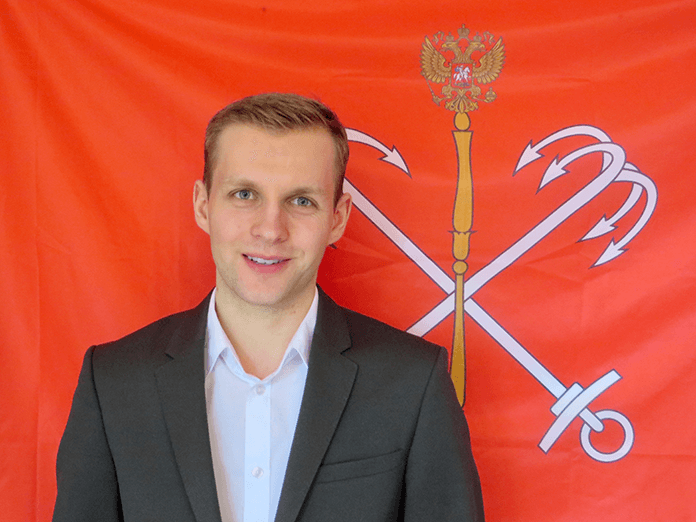
Die Kurse aus „International Relations“ boten die Möglichkeit mit internationalen wie russische Studenten zu diskutieren, auch wenn sie akademisch eher auf Bachelor-Niveau waren. Die Kurse an denen ich in „Strategic Studies“ teilnahmen waren im Gegensatz dazu sehr interessant und tiefgreifend. Ihr Fokus auf nuklearer Rüstungskontrolle war eine wertvolle Ergänzung zu den Kursen die ich in Potsdam belegen konnte. Gerade die Diskussionen mit Experten des Feldes im Rahmen von Tagungen an der Universität waren enorm aufschlussreich, wenn sie mir auch nicht alle vollständig zugänglich waren.
An den englischsprachigen Kursen nahmen nur einige wenige russische Studenten teil. Insgesamt ist es sehr leicht sich in einer internationalen Blase aufzuhalten, insbesondere wenn man für die russischen Fachkurse unzureichende Russischkenntnisse hat. An sich waren die russischen Studenten mit denen ich mich, sei es in Kursen oder im Rahmen anderer Aktivitäten, getroffen habe aber sehr freundlich, hilfsbereit und wissbegierig.
Eines der größeren Hindernisse auch in den englischsprachigen Kursen ist das eher verschulte System der Universität. Beispielsweise sind Hausarbeiten eher Seltenheit und Klausuren die Regel und auch der Unterricht an sich ist eher frontal. Auch wenn mein zweites Semester durch die COVID-19 Pandemie leider sehr verkürzt und auf Fernunterricht umgestellt wurde, bin ich mit meinem Auslandsaufenthalt insgesamt doch zufrieden. Ganz zu schweigen von persönlichen Beziehungen die ich geknüpft habe, waren gerade die „Strategic and Arms Control Studies“ Kurse akademisch sehr bereichernd.
Hans-Hendrik Wagner, WCS 16/17,
Universidad Nacional de Colombia, Columbia
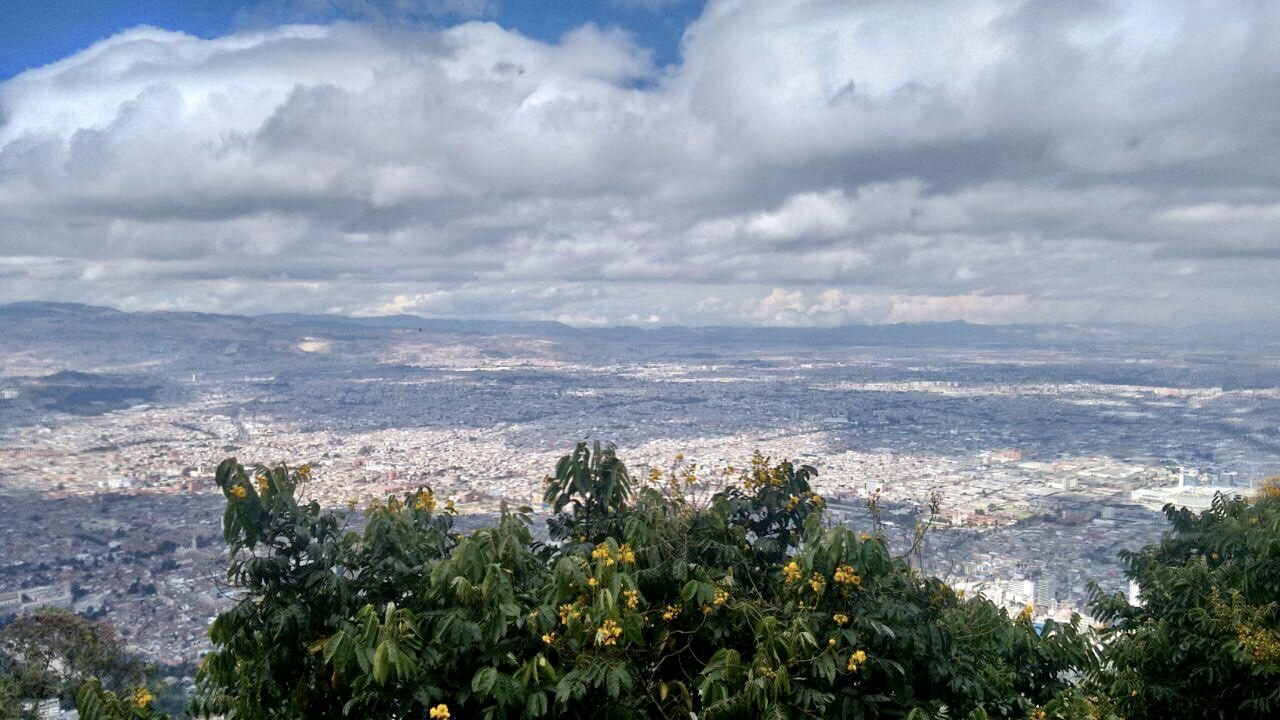
Bogotá mit seinen neun Millionen Einwohner bietet darüber hinaus eine Vielzahl an außeruniversitären Tätigkeiten. Gerade in der Nähe des Universitätscampus gibt es mehrere Viertel mit einer Vielzahl an studentischen Clubs und Bars. Speziell das Stadtviertel Chapinero ist bei den Studierenden wegen seiner Künstlerszene, den vielen Bars sowie der größten Diskothek Lateinamerikas, Theatron, beliebt. Wer während seiner Zeit in Kolumbien die heimische Küche vermisst, kommt in Bogotá auf seine Kosten. Neben einem Restaurant mit deutschen Bratwürsten gibt es viele Etablissements, die deutsche Biere anbieten. Darüber hinaus gibt es viele Sportplätze, innerstädtische Parks und Sehenswürdigkeiten. Für Radbegeisterte besonders interessant ist das sonntägliche Radfahren, bei dem große Teile der Innenstadt gesperrt sind. Außerdem sehenswert ist der Stadtkern mit dem Museo de Oro sowie die Pilgerkirche Montserrat auf 3200m Höhe.
Alles in allem ist ein Auslandssemester in Kolumbien eine Erfahrung, die jeder machen sollte, da das gesellschaftliche sowie kulturelle Leben einem eine andere Sicht auf das Leben in Deutschland ermöglicht, aber auch weil die schiere natürliche Diversität Kolumbiens sehenswert ist.
Im Rahmen meiner Masterarbeit habe ich im Sommersemester 2020 ein Auslandssemester an der Universidad Nacional de Colombia (UNAL) absolviert. Dabei verbrachte ich meinen Aufenthalt am größten der acht Campus in Bogotá. Mit zeitweise 60.000 Menschen, die an diesem Campus arbeiten und studieren, übertrifft es die Maßstäbe vieler deutscher Universitäten. Im Bereich Internationale Beziehungen oder Sicherheitspolitik kann die Universität mit zwei Professoren, Alejo Vargas Velásquez und Carlos Medina Gallego, punkten, da beide direkt oder indirekt am Friedensprozess mit der FARC zwischen 2012 und 2016 beteiligt waren.