
E-Mobility
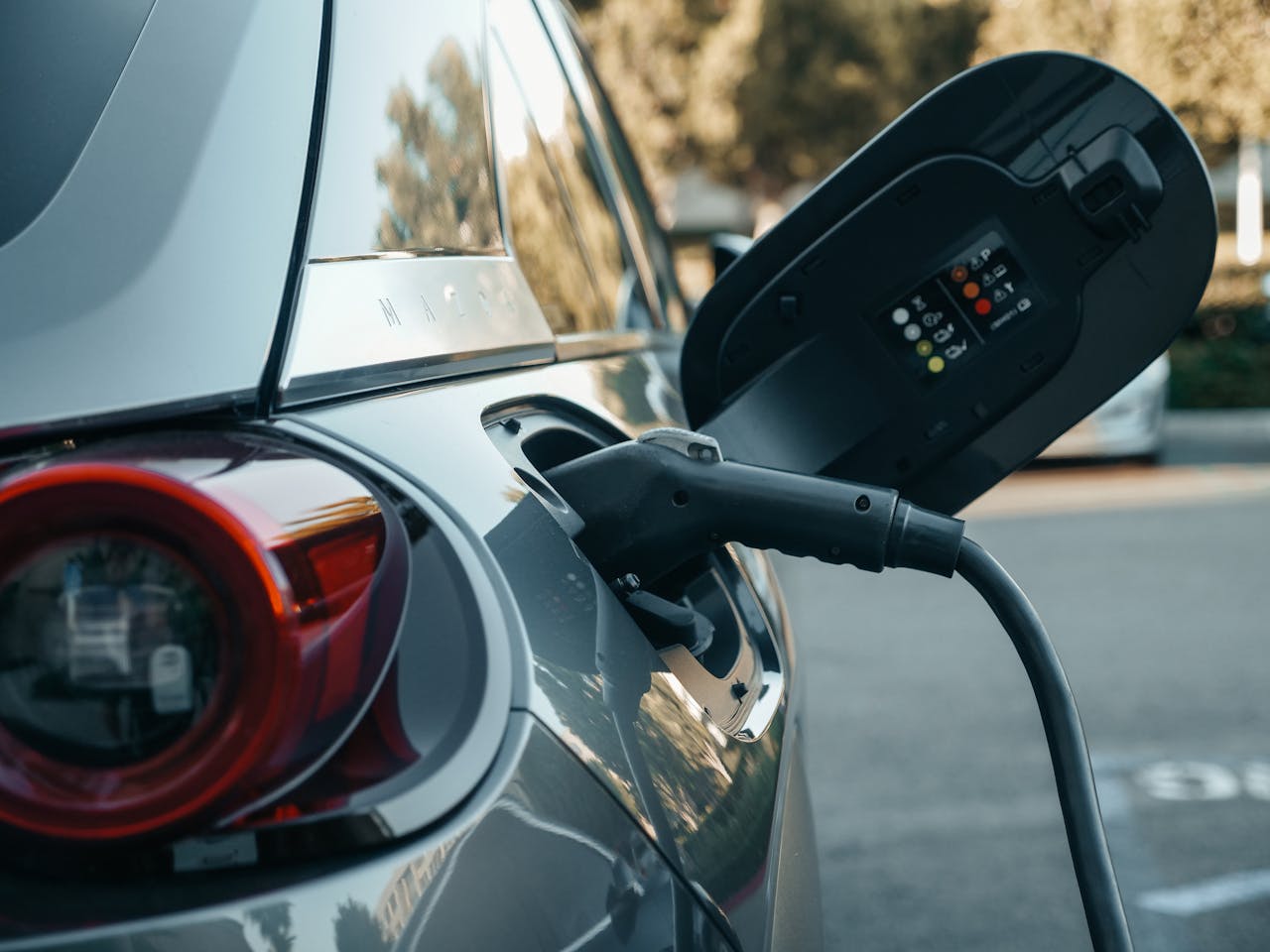
The use of electric propulsion systems in motorized private transportation (known as “e-mobility”) represents a fundamental structural shift toward sustainable, low-emission mobility. This is becoming increasingly important, particularly in inner-city and urban areas, as well as on university campuses such as the University of Potsdam.
The charging infrastructure around the Neues Palais, Golm, and Griebnitzsee campuses is growing steadily, making it increasingly easier for students, staff, and visitors to use electric vehicles.
Within walking distance (< 1000 m) of these locations, there are now several publicly accessible charging stations as well as some private charging stations.
Below are a few examples of locations where you can find charging stations within walking distance of the three campuses:
- Golm: Parking lot east of the Golm train station (Karl-Liebknecht-Straße)
- Neues Palais: Parking lot of the “Netto” discount grocery store located north of the campus on Kaiser-Friedrich-Straße
- Griebnitzsee: Parking lot north of the Griebnitzsee train station on Rudolf-Breitscheid-Straße, in the immediate vicinity of the ferry terminal
To view the exact locations of charging stations, find additional locations, and obtain detailed information about individual charging points - including current availability - you can use, for example, the interactive online map at www.chargefinder.com.
In addition, there are other online map services, such as those offered by the ADAC and Stadtwerke Potsdam; however, at the time of this research (July 2025), these did not list all charging points that actually exist.
Background
In recent years, e-mobility has become a key pillar of the sustainable mobility transition, as it offers an environmentally friendly alternative to traditional vehicles with internal combustion engines. The use of electric motors and battery technologies significantly reduces emissions, making an important contribution to climate protection and improved air quality (such as the reduction of particulate matter and ground-level ozone).
In addition, electric passenger cars (colloquially: “e-cars”) play a decisive role in the sustainable transformation of the entire energy system, as they can be used as mobile battery storage to absorb weather-related generation peaks from wind and solar power plants and, conversely, to balance the power grid by feeding electrical energy from the vehicle batteries into the local grid (so-called “bidirectional charging”).
A key factor for the acceptance and widespread adoption of e-mobility is the comprehensive availability of a reliable charging infrastructure. In this context, more and more publicly accessible charging stations are being installed, both in public parking lots and on company and private premises. For private users, a well-developed charging infrastructure means convenience, flexibility, and planning security in everyday life.