Erasmus+ Green Travel

Arrive. Get Involved.
The University of Potsdam Sustainability Award for your involvement during your Erasmus+ experience.
We’re awarding five €100 prizes to students who…
- travel in a particularly sustainable way — for example, arriving by bike
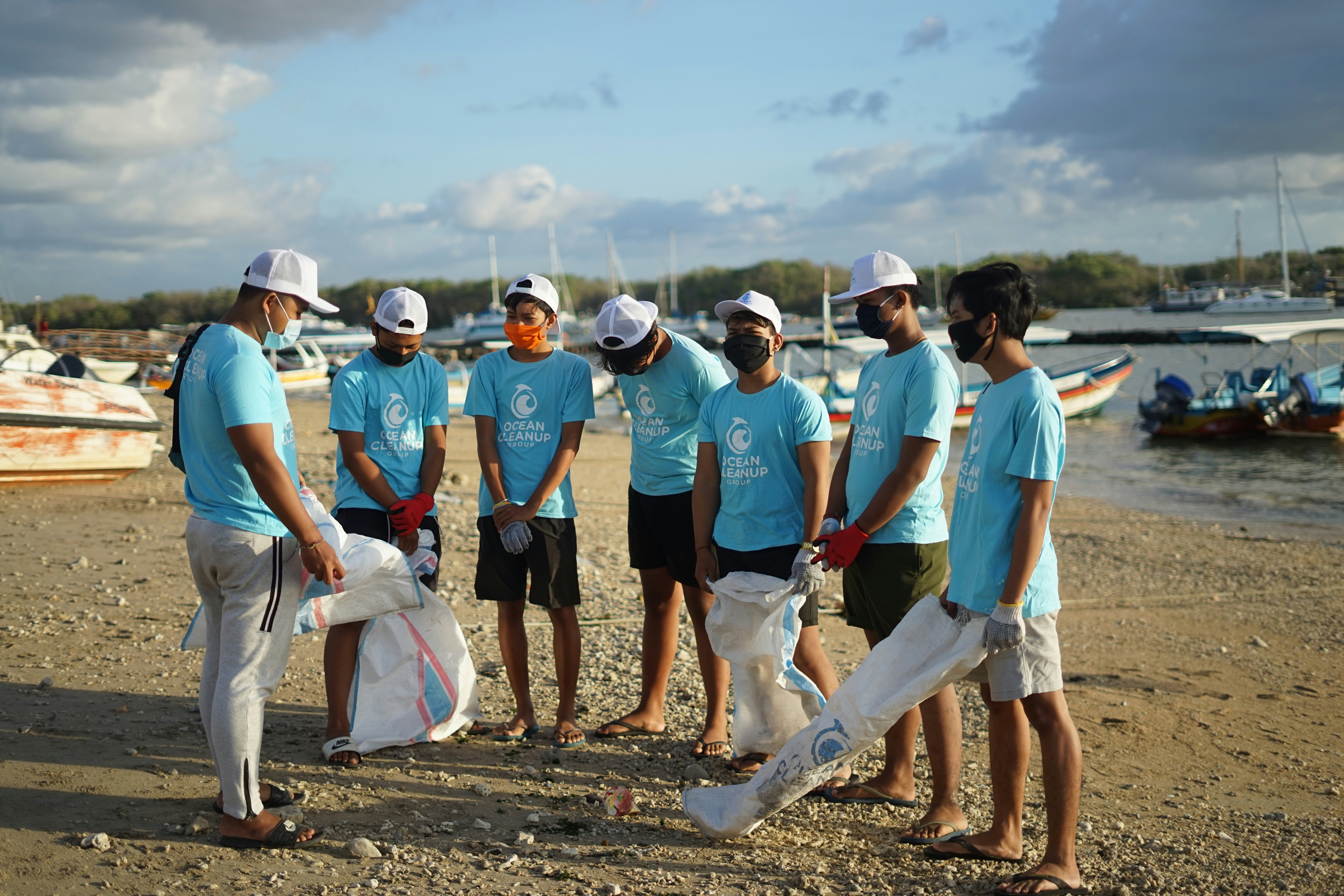
- take part in special initiatives in their host country, such as litter clean-ups or conservation projects
- volunteer in social initiatives while abroad, for example supporting local food banks
…and share their experience with us through photos and a short statement, blog post, video, or similar format.
Participate.
Send us an email by October 31, 2026, telling us about your story, your idea, or your project.
- A jury will select the most compelling projects
- Prizes will be awarded as vouchers for local shops (for example the Aussteiger or Unverpackt stores).
We look forward to hearing from you!
Winners of the 2025 Sustainability Award
Franziska, Athens, Greece
I traveled to Athens for my Erasmus semester entirely overland. My journey began on a night train heading toward Budapest. As the day slowly began, the first rays of sunlight appeared and fellow passengers gradually emerged from their sleeping compartments, watching the morning unfold together through the large train windows. From there, I continued by various buses through Serbia and North Macedonia until I finally reached Greece — my destination: Athens.
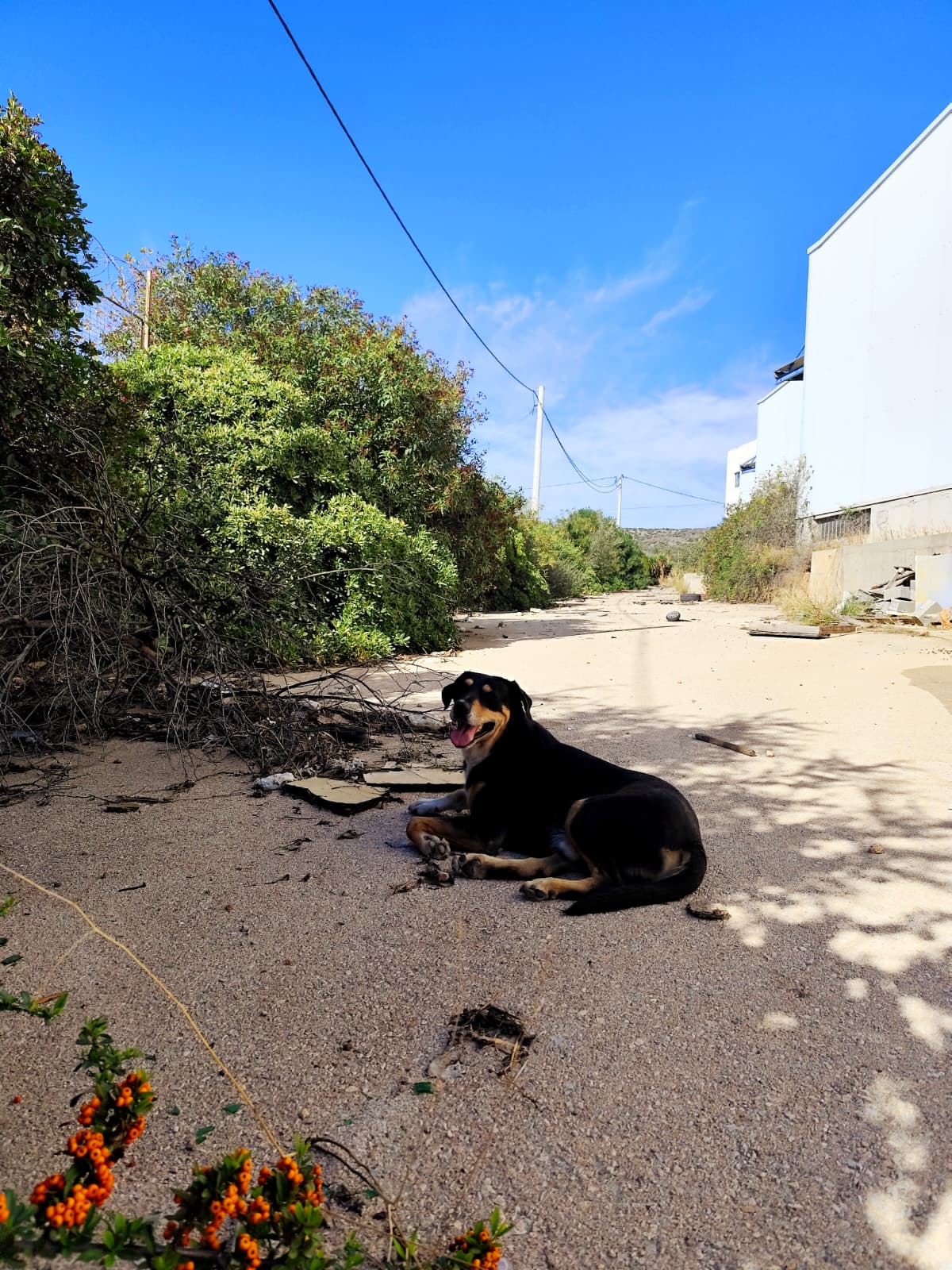
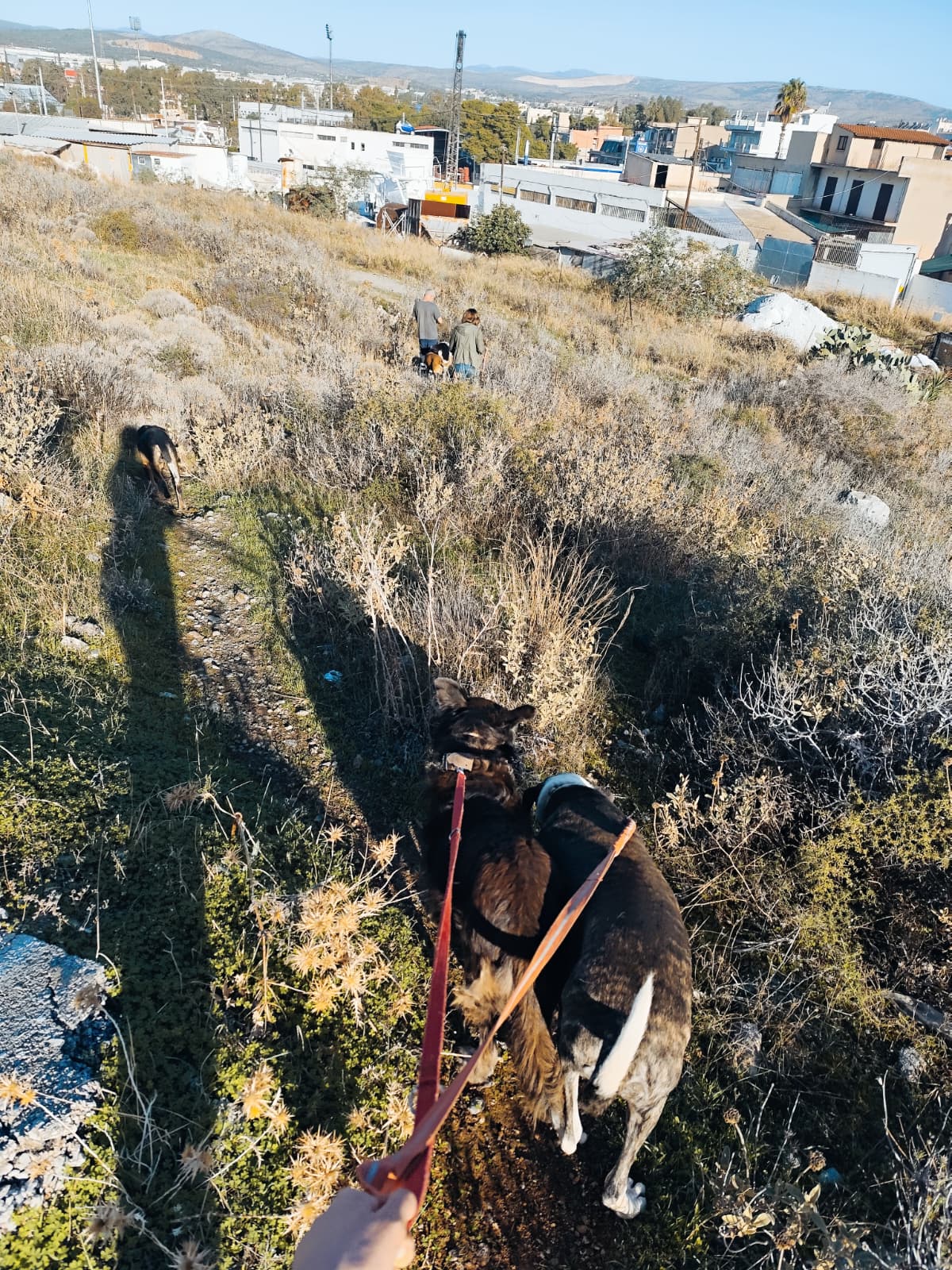
Greece is known not only for its great food but also for its many stray animals. In Athens itself, a city shaped by tourism, you hardly see any stray dogs at first glance. But once you leave the city center and look a little closer, you quickly encounter a different reality. I connected with a woman who started a small organization dedicated to helping stray dogs. On weekend mornings, we drove together to what they call a “dog shelter” outside the city, which was actually a scrapyard. Old concrete pipes and garbage containers served as makeshift shelters for the animals. We walked the dogs, cleaned their enclosures, and cut up old carpets so they would have some protection from the cold during the coming winter months.
Afterward, we visited an abandoned factory where two dogs were trapped inside. We brought them food and fresh water. The former factory bordered a neighborhood outside the city where only Roma families lived. They received support as well. Every two weeks we drove there with fruit, clothes, and toys for the children (photos were not allowed).
These encounters showed me that if you truly want to get to know and experience a country, you have to look beyond the surface and be willing to go places that may not seem so “beautiful” at first. But beauty can have many different faces.
I have always preferred traveling overland, because this way of traveling creates moments of closeness. Modesty and curiosity encourage authentic encounters and enable you to connect with people in a sincere way. Sustainability can take place on many levels — whether in the way we travel or in the projects we choose to support.
Alma, Oslo, Norway
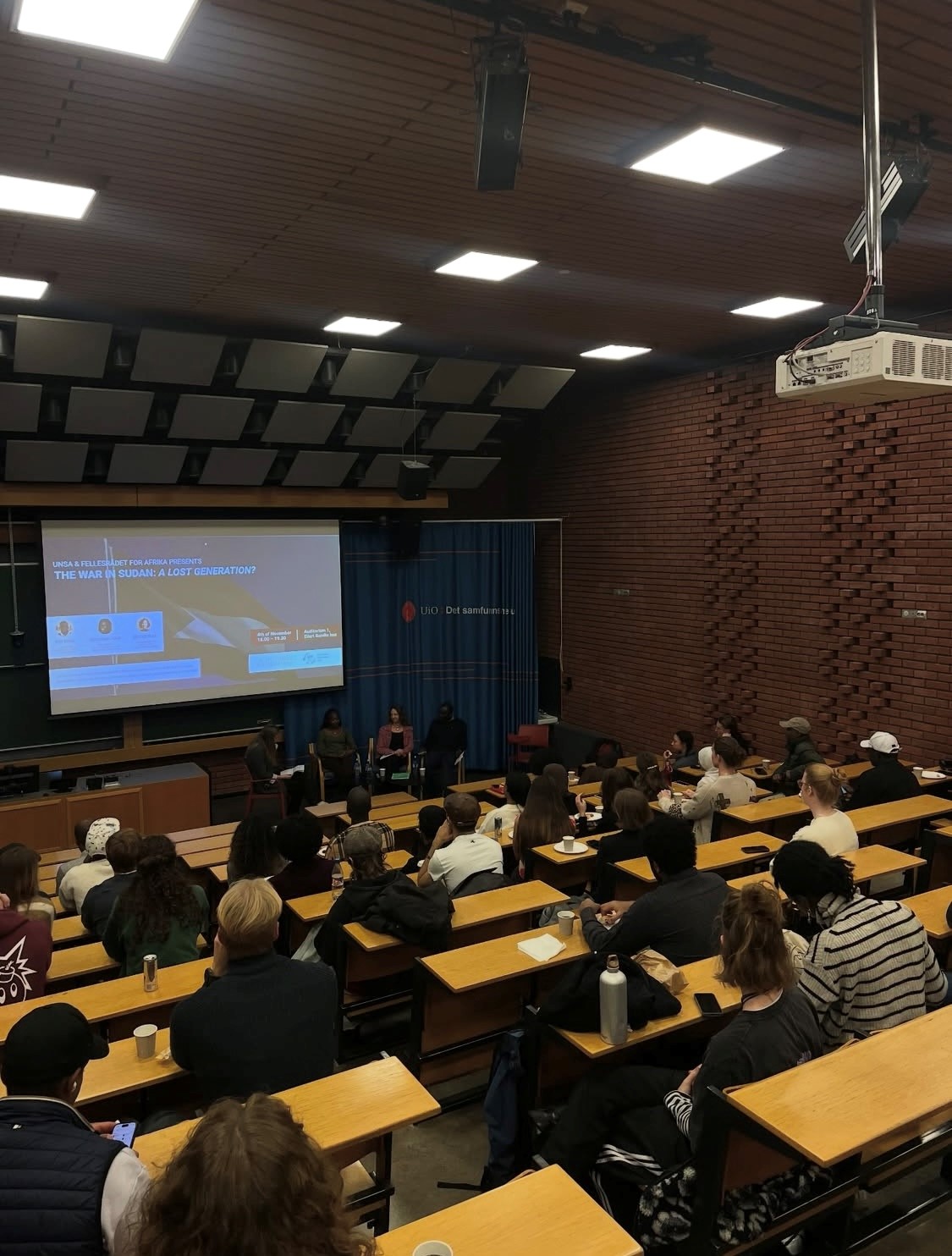
During my Erasmus experience, I got involved with Spire Oslo, OSI Friluft, and a feminist association at the University of Oslo.
At Spire, we organize events focused on sustainability. At the moment, our work centers on housing — especially the question of how to make housing in Oslo both sustainable and affordable for everyone. Another important topic is Norway’s oil industry: the role of oil companies, their power, and their impact on the climate crisis.
In the feminist association, we explore a wide range of topics related to gender studies and equality, both locally and globally. We also organize various events and workshops around these issues.
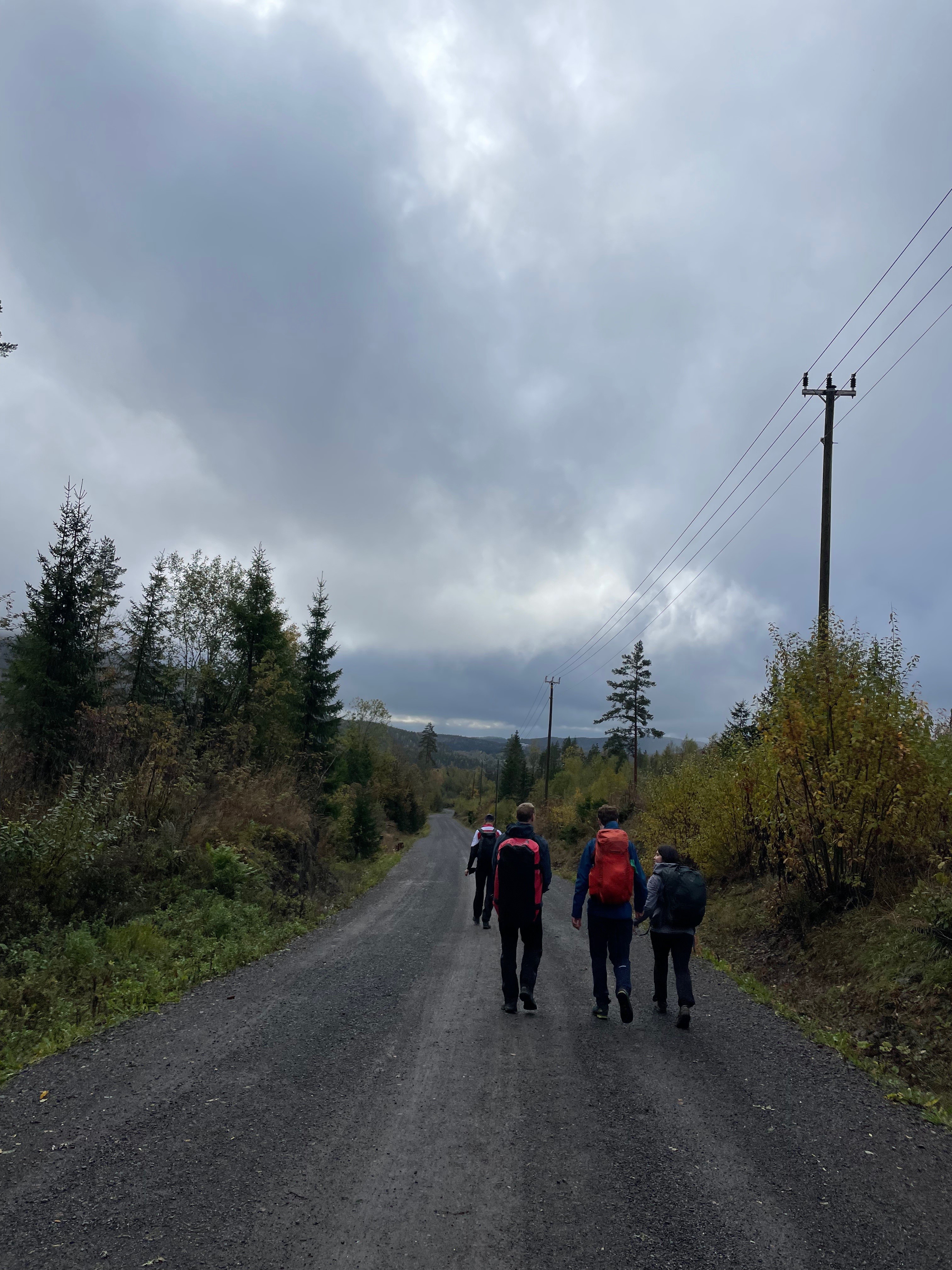
With OSI Friluft, we organize outdoor activities such as hikes and mushroom-picking trips, and we also help maintain the student cabin north of Oslo. I contributed by sharing ideas and getting actively involved in the renovation work — for example sanding floors, cleaning rooms, and oiling chairs. In this way, I helped ensure that the student cabin can continue to serve as a place where students come together and exchange ideas.
Through my involvement, I not only represent my own values but also meet a wide range of people. I have learned a great deal about Norway and Oslo, as well as about the cultures of other international students. At the same time, I have gained new knowledge about sustainability and feminism — and developed practical hands-on skills.
After my Erasmus term, I would like to share these experiences in Potsdam and bring them into my political engagement there. I can also imagine staying in touch with the Norwegian organizations so that we can continue learning from each other and exchanging ideas internationally.
Information on Sustainable Travel
Your study abroad period is getting closer — and it’s time to decide how you’ll travel to your host university. Why not consider Green Travel? “Green Travel” refers to journeys where low-emission modes of transport such as buses, trains, bicycles, or carpooling are used for the majority of the trip. Reduce your environmental impact while benefiting from additional funding and extra travel days.
Of course, traveling by train or bus can sometimes take significantly longer than flying. On the other hand, you won’t need to worry about baggage limits, and you have the opportunity to break up your journey and discover places along the way between the University of Potsdam and your host university.
What additional funding can I receive?
If you complete the majority of your journey to and from your host university using low-emission transportation, you may receive funding for up to six additional travel days, depending on your needs. In addition, students whose mobility period begins in 2026 will receive an increased travel grant.
| Travel distance* | Green Travel | Standard travel |
|---|---|---|
| 10 - 99 km | 56€ | 28€ |
| 100 - 499 km | 285€ | 211€ |
| 500 - 1999 km | 417€ | 309€ |
| 2000 - 2999 km | 535€ | 395€ |
| 3000 - 3999 km | 785€ | 580€ |
| 4000 - 7999 km | 1.188€ | 1.188€ |
| 8000 km or more | 1.735€ | 1.735€ |
*The travel distance corresponds to the distance between the University of Potsdam and the host university (calculated using the Distance Calculator).
How do I receive the additional funding?
When submitting your Erasmus application, you can indicate whether you plan to travel using Green Travel. During the later stages of preparing for your study abroad period, you will again be asked which mode of transportation you will use to travel to and from your host university. The International Office will then calculate the amount and duration of your funding based on your travel plans and provide you with the necessary forms.
Sustainable Travel Options
Travel across Europe by train
Depending on the host university you choose, traveling without flying can be very easy to arrange. But even if your destination is farther away, it may still be worth considering an overland journey. Websites such as “Erasmus by Train” or the “Night Train Map” can help you plan your route.
Night Train Map – night train connections from Aberdeen to Zagreb
The train travel guide by the “Man in Seat 61”
Use the Interrail Pass for your journey!
A special way to explore Europe is the new Erasmus+ Interrail Pass. It allows you to travel freely across Europe on four or six travel days within a six-month period. Not only can you save money, but you can also explore the diversity of Europe near your host university—an excellent opportunity to enrich your Erasmus experience with additional discoveries.
Additional useful links:
- Fact Sheet Erasmus+ Green Travel (DAAD) (PDF, 145 KB)
- Interrail Pass for Erasmus+ (PDF, 266 KB)
Contact at the International Office
Julia Willfurth
- Campus Am Neuen Palais
Am Neuen Palais 10, 14469 Potsdam
Building 8, Room 0.38 - In-person office hours:
Mon 1:00–3:00 p.m.
Phone hours:
Mon 10:00 a.m.–12:00 p.m.
Thu 10:00 a.m.–12:00 p.m.
Zoom office hours:
Upon request.