Green IT
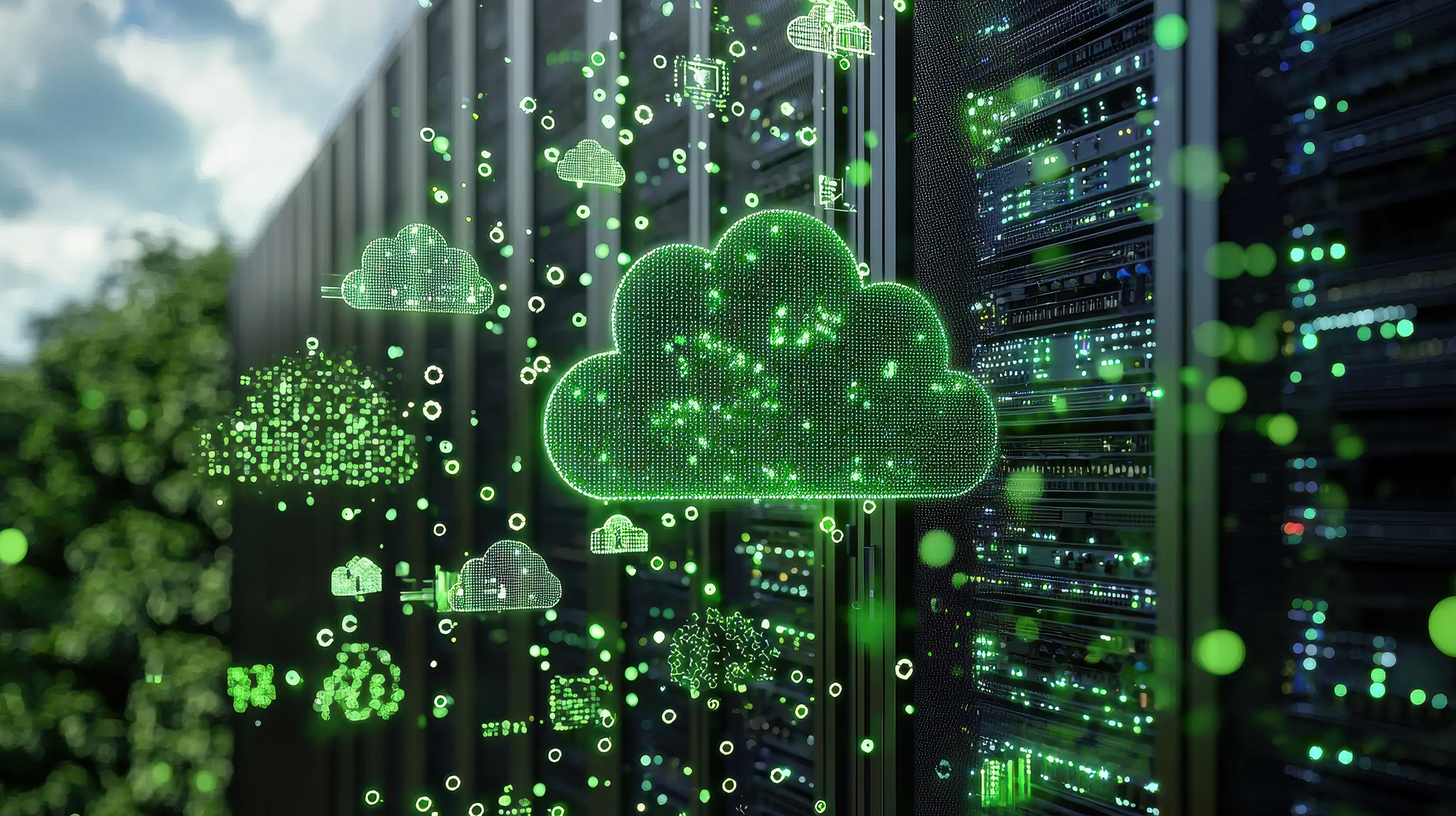
From the lecture hall to the data center: Sustainability as a common thread - digital and energy-efficient.
The Green IT initiative encompasses measures that reduce emissions and resource consumption - both within IT itself and in other areas of the university - through the use of modern information and communication technologies (ICT). The goal is to promote climate protection and efficiency through digitalization - whether through resource-efficient IT infrastructure, digital processes, or climate-friendly practices in the use of devices.
In the Green IT action area, the University of Potsdam aligns itself with the United Nations’ 17 Sustainable Development Goals (SDGs) - in particular SDGs 9 and 12. There is significant overlap with the Procurement sub-action area, as the production of Green IT has significant environmental impacts:


Digitization of Documents in Teaching and Administration
The systematic digitization of documents reduces the consumption of paper, printer ink, and storage space. At the University of Potsdam, the digital processing and archiving of documents in administration and teaching are being continuously promoted.
This not only reduces material usage but also facilitates quick and location-independent access to information. Setting double-sided printing as the default is a simple and effective additional measure for conserving resources. Here you will find the guide on how to set double-sided printing as the default setting.
Digital Work and Communication Channels
Digital meetings and video conferences enable collaboration in research, teaching, and administration without the need for travel. This not only saves time but also significantly reduces CO₂ emissions that would result from travel. The University of Potsdam therefore actively promotes the use of modern communication and collaboration tools.

Centralized Server Infrastructure and Waste Heat Recovery
The university is working to centralize its server infrastructure in order to use IT resources efficiently and reduce electricity consumption for cooling. One example of this is the new data center currently under construction on the Neues Palais campus, where waste heat will be integrated into the building management system to save heating energy.
Departments, research groups, and project teams at the University of Potsdam can already utilize ZIM’s server hosting services within the limits of its capacity. These servers are integrated into ZIM’s central IT infrastructure (more)
Efficient Data Usage and Storage Management
Data minimization means climate protection: Unnecessary data sets increase storage requirements and thus the energy consumption of servers and data centers. Regularly cleaning up digital storage areas, such as on Box.UP or Mail.UP, therefore contributes significantly to reducing resource consumption.
When cleaning up Box.UP, it is particularly helpful to first integrate the service locally into your own file system. This allows you to conveniently review and sort files on your computer before deleting or moving them on the server. Detailed instructions for installation and integration can be found here. Please feel free to direct any technical questions regarding this to ZIM.
Useful tools for analyzing and cleaning up local data include:
In addition, as part of data management measures on the Moodle.UP platform, courses are automatically deleted after 3.5 years, following the creation of a backup, which frees up additional server capacity.
These measures promote the efficient use of storage space, which ultimately reduces the energy consumption of the IT infrastructure and contributes to the university’s climate protection efforts.
Procurement and Operation of Energy-Efficient Devices
The University of Potsdam continuously utilizes up-to-date framework agreements to procure energy-efficient and sustainable IT devices. These agreements are regularly reviewed and adjusted to ensure that modern, environmentally friendly products are always available at attractive terms. This centrally managed procurement process ensures high quality and sustainability.
Warranty extensions are easy to obtain, cost-effective, and recommended when purchasing through the IT framework agreements. This extends the lifespan of the devices and reduces resource consumption.
In addition, the university operates a recycling exchange where IT equipment that is no longer needed can be offered and passed on within the university. This ensures that devices are reused as effectively as possible, minimizing waste and environmental impact. Devices that cannot be reused are recycled properly.
For daily operations, we recommend:
- Completely powering down devices at the end of the day
- Using power strips with switches
- Charging batteries gently (between 20% and 80%)
- Reducing screen brightness and activating energy-saving modes
- Using energy-saving printer and copier functions
- Using eco-friendly search engines such as Ecosia
These measures make an important contribution to reducing electricity consumption and CO₂ emissions.
Raising Awareness of Sustainable IT Practices
The conscious and resource-efficient use of IT is not merely a technical issue, but also a matter of behavior. The University of Potsdam is therefore relying on information campaigns, guidelines, and practical tips to raise awareness of Green IT among staff and students.