
FLEX:Unit. The influence of flexible task forces on employees and administration.

As new generations enter the workforce and expectations around work–life balance evolve, public administrations are also rethinking how work can be organized. This makes it essential to examine innovative work arrangements that can support these changing conditions.

Our project investigates one such emerging approach: flexible task-force models (“Flex Units”), which temporarily reassign employees to units facing short-term staffing needs. Municipalities like the City of Kiel are already testing these internal pools to manage workload peaks without overburdening teams or relying on additional hires. As this topic remains mostly unexplored in public administration research, our study will examine how Flex Units are designed, the organisational conditions they require and their influence on employee belonging, role conflict and well-being.

https://www.youtube.com/watch?v=dUdC1cFVcgs
Source: KI-generierte Illustration

Flexible staffing with the FLEX:Unit in the state capital of Kiel

Kiel created the FLEX:Unit during the pandemic to move talent exactly where it was needed. This agile deployment unit brings together employees with diverse profiles and assigns them to short-term placements. The goal is: provide immediate support in leadership, administration, and project management, reduce overload in existing teams, and keep the administration fully operational even under pressure.

https://publishup.uni-potsdam.de/frontdoor/index/index/docId/70197

Is flexible work the magic cure?

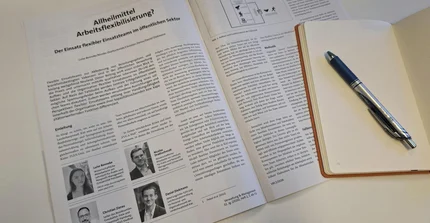
Administration and Management: Is Flexible Work the Panacea?

In public administration, flexible task forces can offer an innovative yet pragmatic solution to staffing shortages. The FLEX:Unit in Kiel is regarded as a pioneer in this field throughout Germany. In practice, however, it is not so much the label that matters as the specific implementation.


Flexible task forces designed to cushion peak workloads and fill vacancies caused by illness are largely uncharted territory in public administration to date. This article offers an initial insight into the practical application and examines the structure and organization of such teams in the public sector. Based on the case study, key success factors as well as potential areas of tension in the establishment and management of these teams are identified.