
Future Rural Africa
Future Rural Africa - Future-making and social-ecological transformation
Future Rural Africa is a large transdisciplinary collaborative research centre addressing the intricate relationship between future-making and social-ecological transformation. Future-making, the CRC´s key concept, means that ideas of the future as envisioned today are translated into plans, policies, and spatial transformations. They materialize along newly emerging development corridors, shifting bio-cultural frontiers and large-scale land-use changes. The project combines expertise from different academic disciplines, ranging from geography, anthropology, and agronomy to political science, vegetation ecology, and virology. The CRC is funded by German Research Foundation (DFG, runtime: 01/2018 – 12/2029).
For more information about the overarching collaborative research centre see its official website: Future Rural Africa
Mission
The central research questions of the CRC address the relationship between large-scale land-use change, social-ecological transformation, and future-making. They serve as guidelines for interdisciplinary cooperation.
- How can we understand and research future-making in rural Africa from different disciplinary perspectives?
- How and by whom are rural African futures made probable and/or possible?
- What are the main challenges and consequences of future-making in rural Africa?
- In which way are conflicting visions of future expressed, negotiated, and translated into large-scale land-use change and ensuing social-ecological transformation?
We are participating in the CRC with project A01: Future Carbon Storage [link to subproject site], in which we as vegetation ecologists determine carbon storage in savanna vegetation along pathways of land-use change. We collaborate closely with soil scientists, environmental economists, and Namibian scientists with a focus on wildlife management. We are interested in how land-use and future-making change carbon storage in this savanna ecosystem by altering vegetation structure and carbon cycling. We further ask how that in turn impacts ecosystem functioning, rangeland health and biodiversity. Furthermore, we aim to understand how future changes will impact the natural resource base and ecosystem service delivery of savanna vegetation to local livelihoods, especially in relation to rural wealth, cattle accumulation, and livestock husbandry techniques.
Opportunities
You are welcome to inquire about possibilities for PhD or post-doctoral positions. Please check vacant positions or contact Prof. A. Linstädter directly. Should you seek opportunities for a Bachelor or Master thesis, please check our institutional list of topics for theses.
-
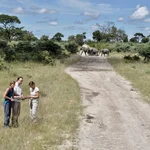
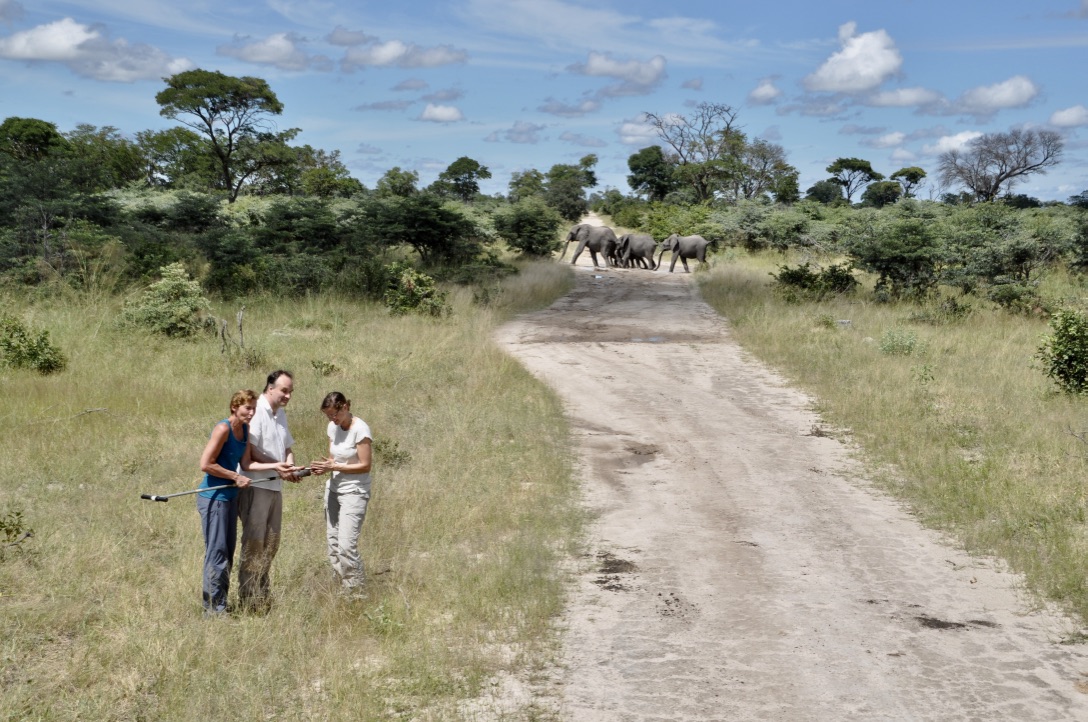
Vegetation ecologists and soil scientists at field work in Mudumu National Park (Nambia's Zambezi Region) -
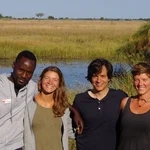
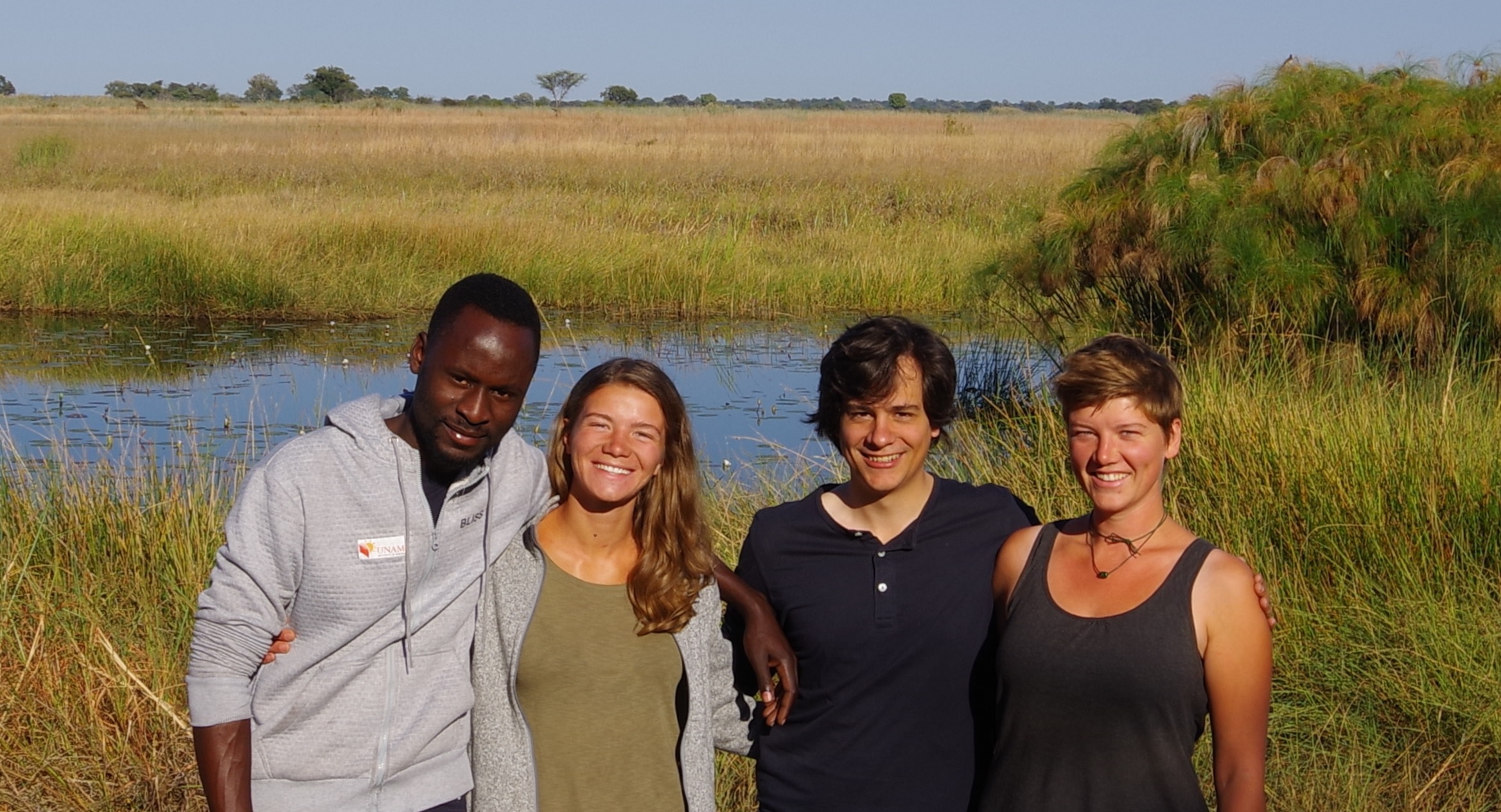
Field research team for vegetation ecology at Kwando river, Nambia 2019: S. Mahulilo, D. Niedeggen, M. Dobler, L. Kindermann (left to right) -
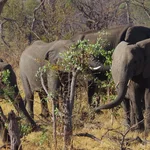
Elephant browsing damages trees and shrubs and hence decimates and controls woody biomass; currently recovering elephant populations limit potential carbon storage in the vegetation. -
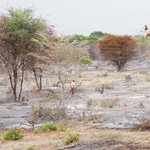
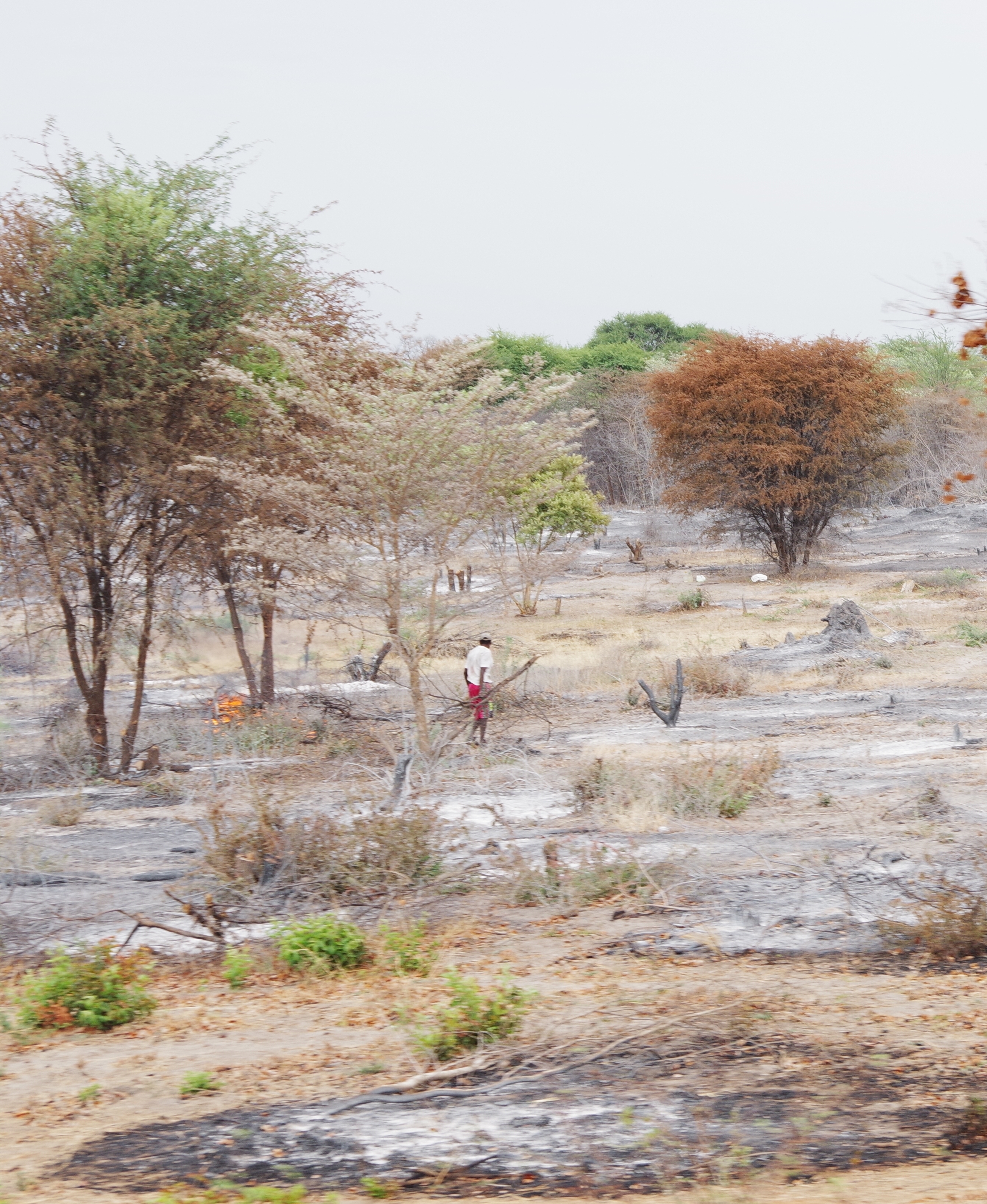
New fields in savannas are created by cutting trees and burning woody vegetation, which on the one hand reduces carbon storage in biomass but on the other enriches soils with charcoal particles. -

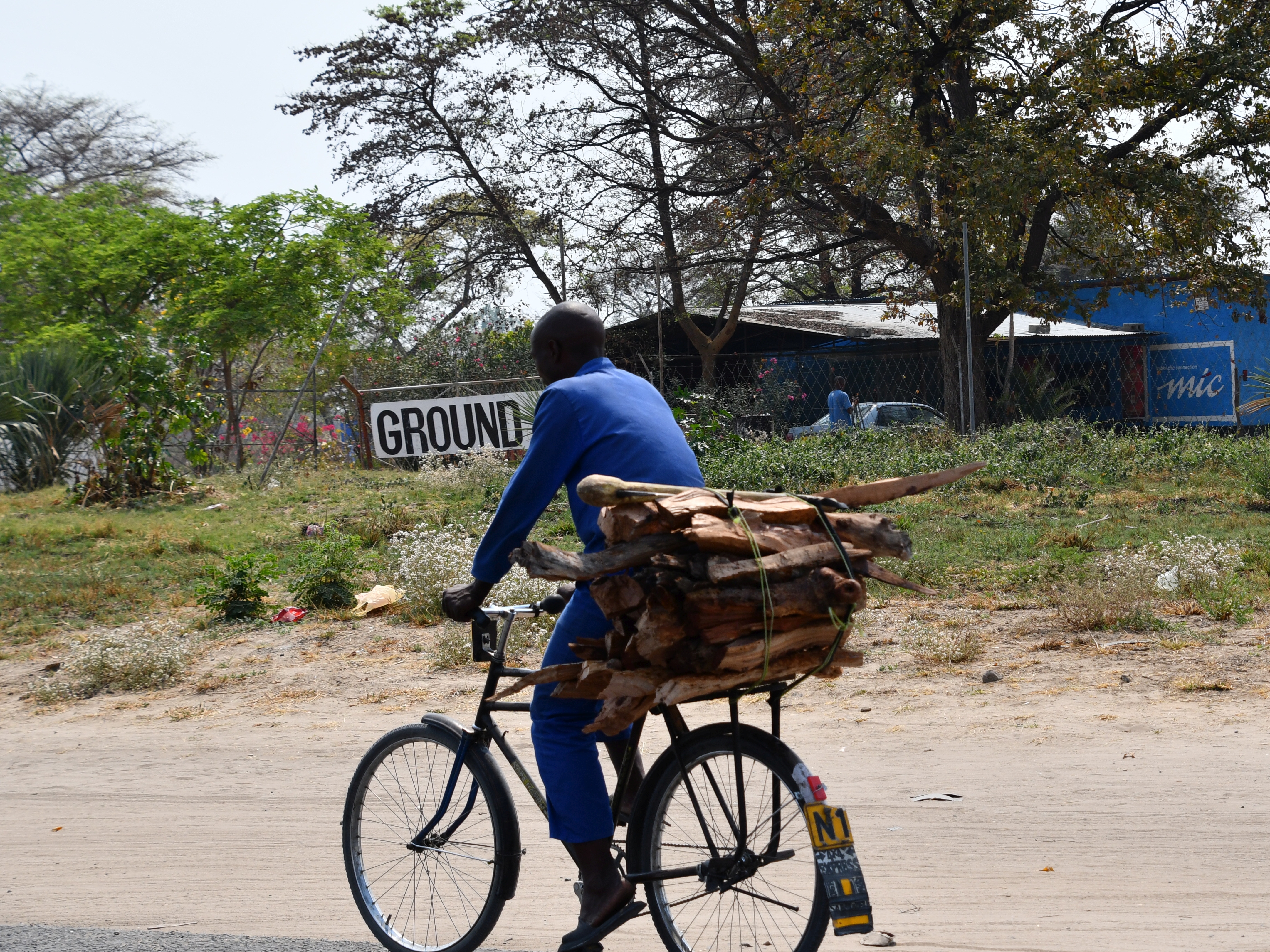
Many people in rural Africa depend on ecosystem services such as firewood for their livelihoods. -
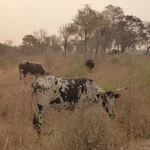
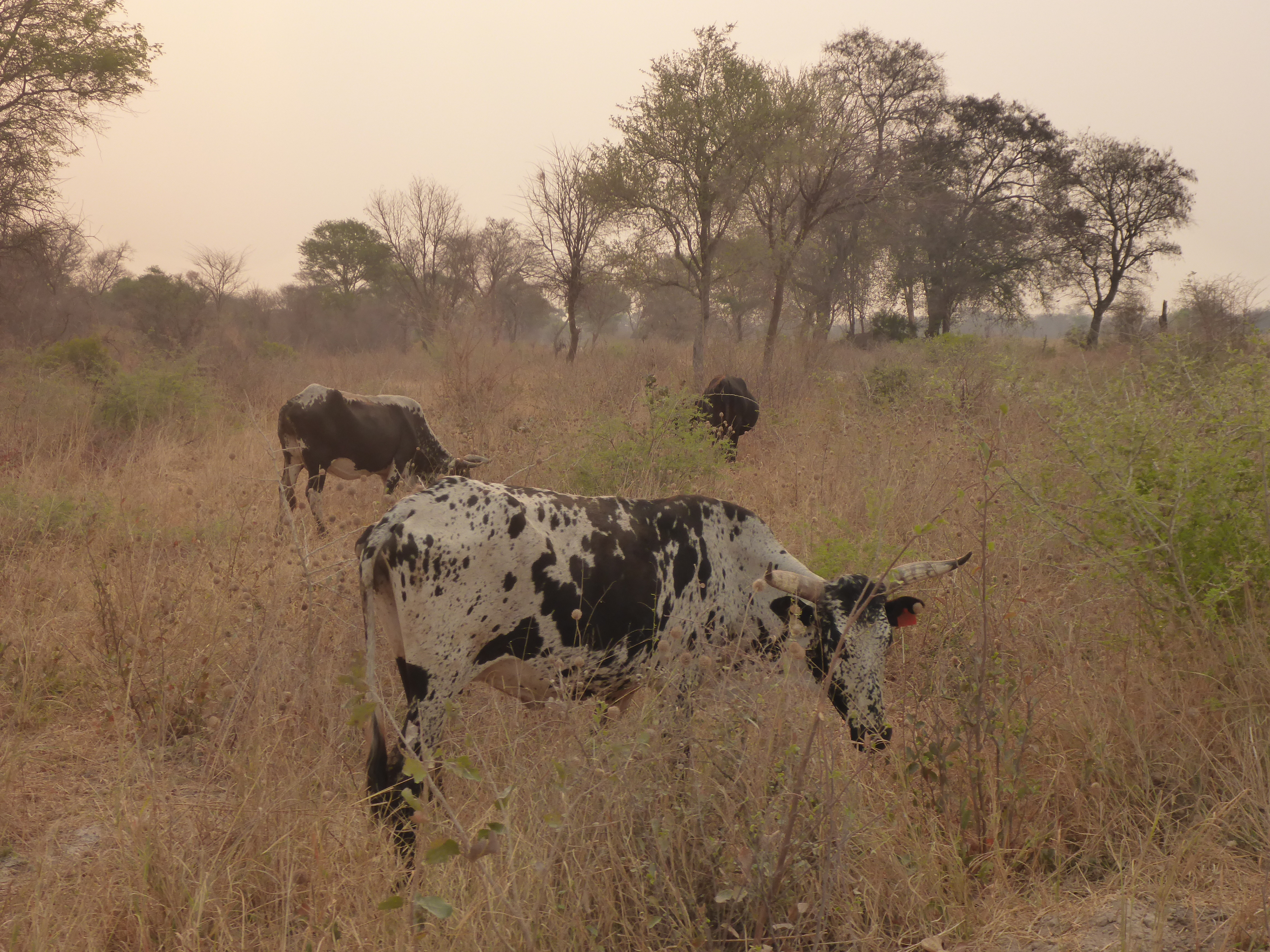
Many savanna ecosystems are used for cattle husbandry; bush fires are employed to remove senescent grass from the dry season and spark fresh growth; shrubs and trees are used as a dry season feed for cattle and also for many medicinal uses. -

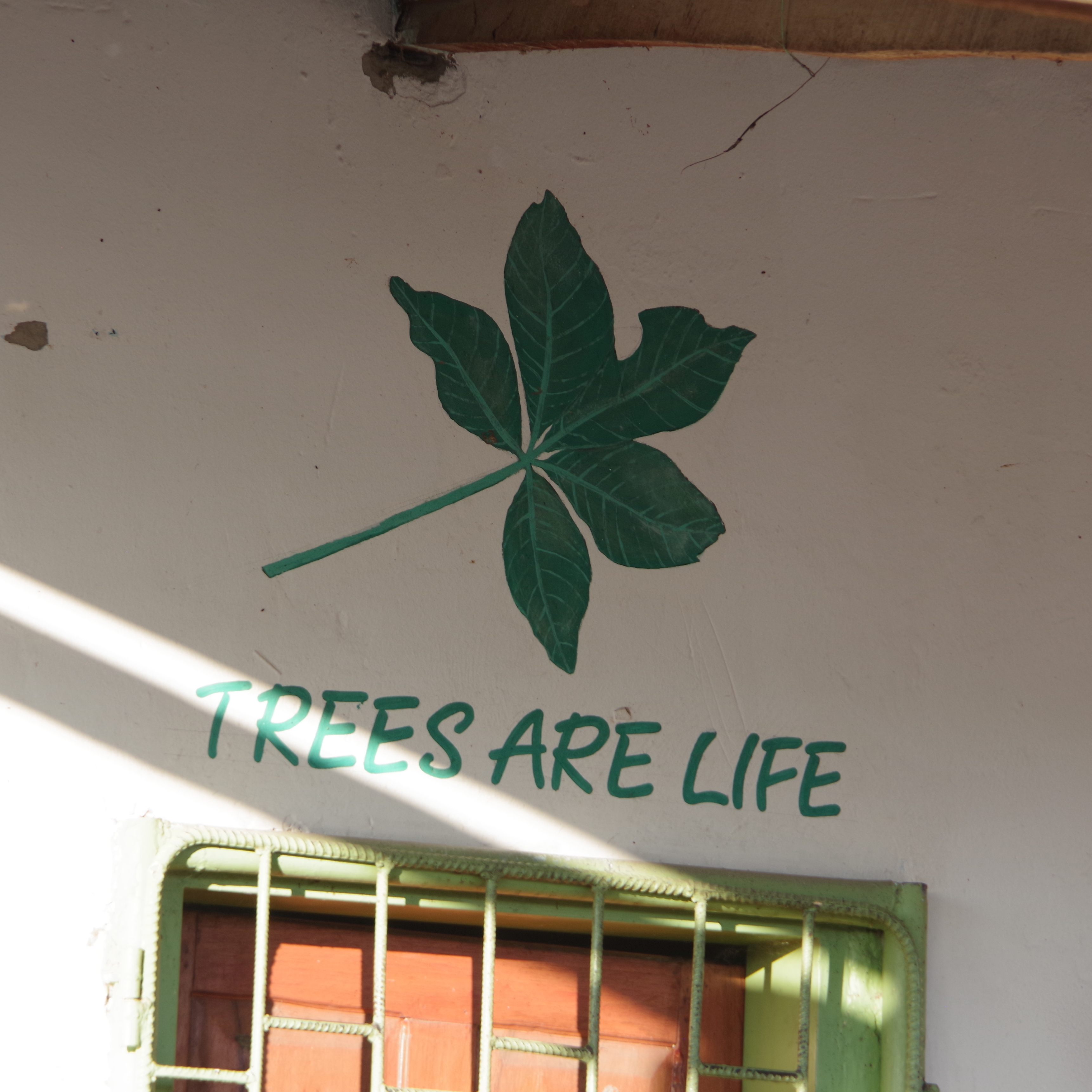
Trees in rural Africa deliver many ecosystem services like medicinal uses.

Future Carbon Storage
The project Future Carbon Storage (A01 within CRC Future Rural Africa) is jointly headed by three PIs from the University of Potsdam and the University of Bonn.
| Aims | Project A01 views the consequences of future-making in rural Africa through a carbon lens. Together with soil scientists, we as vegetation ecologists determine carbon storage in vegetation and soil under varying rangeland conditions. We evaluate carbon storage dynamics and carbon losses across a wealth and cattle accumulation gradient, and evaluate drivers of interactions between rangeland management and crop production. We further assess synergies and trade-offs between carbon storage and other ecosystem services which are important to local livelihoods. |
| Approach | Our methodological approach relies on allometric grass, shrub and tree measurements and our newly developed method for biomass and biomass loss estimation in disturbed dryland vegetation. This data is complemented by biodiversity metrics, plant functional traits, C:N analyses, and ethnobotanical questionnaires. |
| Expected Outcome | Understanding carbon storage potential and at which temporal scales carbon is sequestered in soil and vegetation; Assessing in how far carbon storage dynamics are influenced by land-use, environmental fluxes, and future-making; Quantifying whether carbon losses from agriculture can be offset by nature conservation schemes; Understanding systemic coupling mechanisms between land-use decisions, carbon storage, biodiversity, and other ecosystem services. |
Persons Involved
| PI
PostDoc
PhD
|
| Cooperation partners | Faculty of Agriculture & Natural Resources, University of Namibia (UNAM), Namibia Department for Wildlife Management and Ecotourism, University of Namibia (UNAM), Namibia Institute for Food- and Resource Economics (ILR), Economics of Sustainable Land Use and Bioeconomy, University of Bonn Institute of Crop Science and Resource Conservation (INRES), Division of Soil Science, University of Bonn
|
| Outreach |
|