
Hydrology of Brandenburg
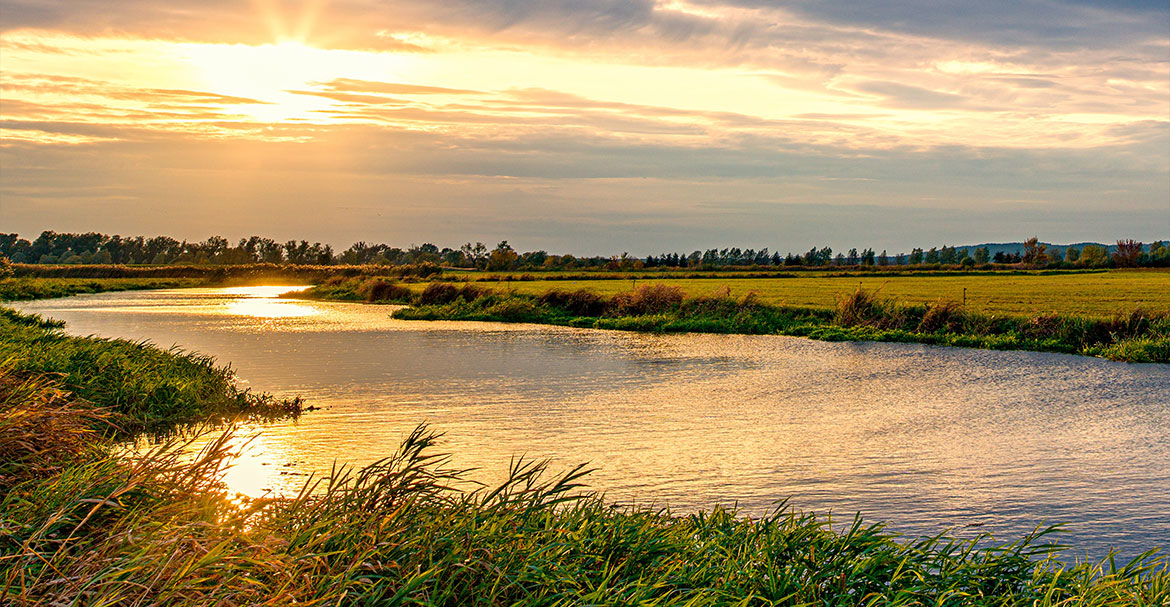
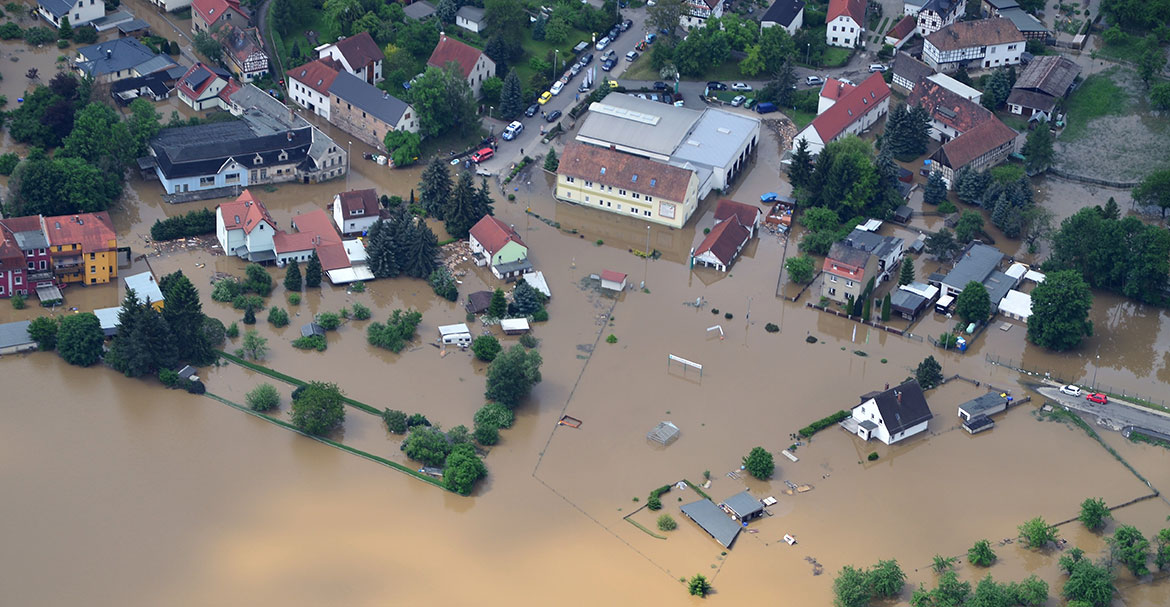
To help people understand the complexity of Brandenburg’s water issues, the WaterHub website provides a concise and clear overview of the key facts and essential knowledge about the state’s hydrology. A fact sheet explains why Brandenburg’s soil is so sandy, why precipitation is comparatively low, what type of vegetation predominates, how the land is used, and what the many lakes, rivers, wetlands, and floodplains contribute to the overall water system. From there, visitors can delve deeper into the climate and how it is changing. Since 1881, the average temperature has already risen by 1.3 degrees Celsius. Heat waves are becoming more intense, droughts are lasting longer, and heavy rainfall is becoming more frequent. The associated risks are also clearly illustrated.
Ten Questions About Water
The website also features interviews with WaterHub experts, who each answer ten questions about their field of research. Instead of focusing on current developments, they explain connections that matter in the long term. The website is a treasure trove for anyone interested in the subject, as well as for journalists seeking consolidated research findings on heavy rainfall and flooding, droughts and wildfires, landslides, or the links between water quality and agriculture. Those who want to delve deeper into these topics can consult the list of publications of all WaterHub members.
Hydrology Today
How dry is Brandenburg’s soil right now? What's happening with groundwater levels, river flows, and low-water conditions? “Hydrology Today” uses real-time data to show the state of water systems in Brandenburg and beyond. To this end, the WaterHub compiles data from various sources – including the Helmholtz Centre for Environmental Research GmbH (UFZ), the German Weather Service, and the federal government’s low-water information platform – and presents it in a clear and accessible way. Groundwater data from the state of Brandenburg are also presented graphically. This illustrates how water availability changes throughout the year and over longer periods.
Potsdam Water Talks
These regular seminars facilitate interdisciplinary exchange among researchers from the university and non-university institutions such as the Helmholtz Center for Geosciences (GFZ) and the Potsdam Institute for Climate Impact Research. They also feature international contributions, for example from the University of Calgary and the University of California. Topics range from the global water crisis in the context of climate change to regional ecosystem services of floodplains along the Lower Havel. The goal is to bring together different perspectives and stimulate joint discussions on water, the environment, and society. Interested individuals are invited to join the discussions and become part of the growing WaterHub community. All lectures in the series are available on the WaterHub website.
Research-Based Teaching
Students benefit in particular from the diversity of disciplines represented at the WaterHub and the interplay between them, for example in the international master’s program “Climate, Earth, Water, Sustainability,” which focuses on quantitative environmental research, physics, climate science, and hydrology, while also covering key aspects of risk analysis, environmental economics, communication, and energy policy. The latest research findings – including work from non-university institutes in the region – are directly incorporated into the curriculum. Students also learn cutting-edge techniques in remote sensing and data collection, for example in the master's program “Remote Sensing, GeoInformation, and Visualization.”
WaterHub Highlights
The WaterHub Highlights section features topics such as how Potsdam geologists are supporting the G20 in developing strategies to address natural disasters, which adaptation measures can reduce flood damage, and how climate change affects groundwater recharge. It also provides an overview of key media coverage and reports on the activities and research achievements of the scientists involved in the WaterHub.
WaterHub: https://www.uni-potsdam.de/en/potsdam-research-hub-water
Potsdam Water News
Potsdam Water News, a newsletter published at irregular intervals, provides information on events, publications, research projects, collaborations, and press releases. You can subscribe here: https://www.uni-potsdam.de/en/potsdam-research-hub-water/activities/potsdam-water-news
This article was originally published in Portal - Zwei 2026 „Wasser“, the University of Potsdam magazine.