
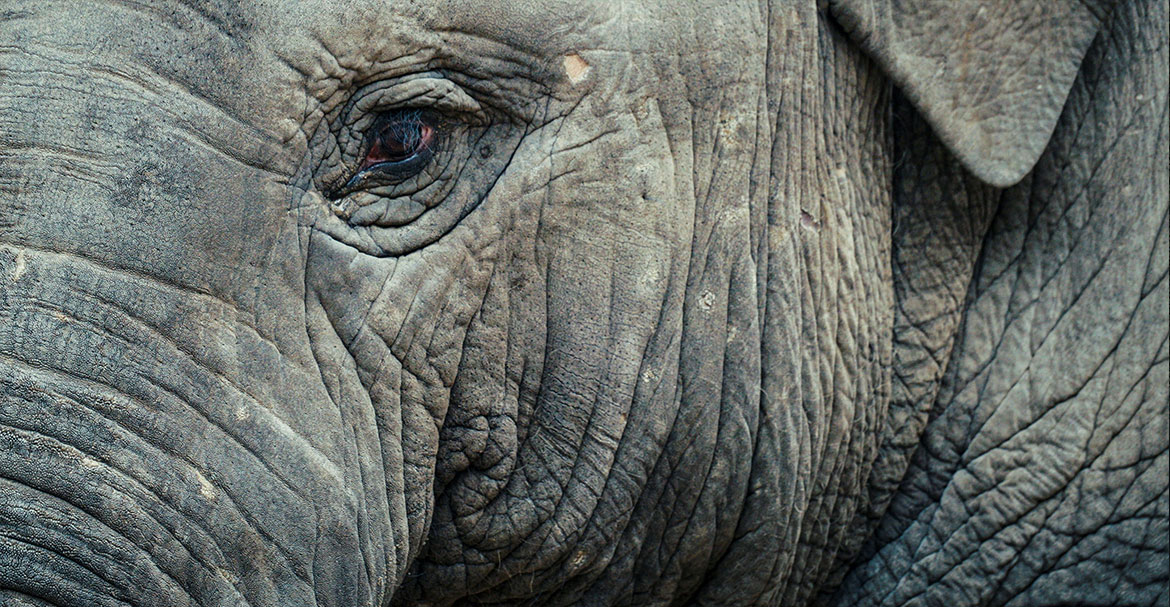
The Asian elephant (Elephas maximus) is found across South and Southeast Asia and is classified as Endangered by the International Union for Conservation of Nature (IUCN). Habitat loss and fragmentation, human–elephant conflict and poaching are causing populations to become smaller and increasingly isolated. This increases the risk of inbreeding, which can lead to a loss of genetic variation and reduce the resilience of populations.
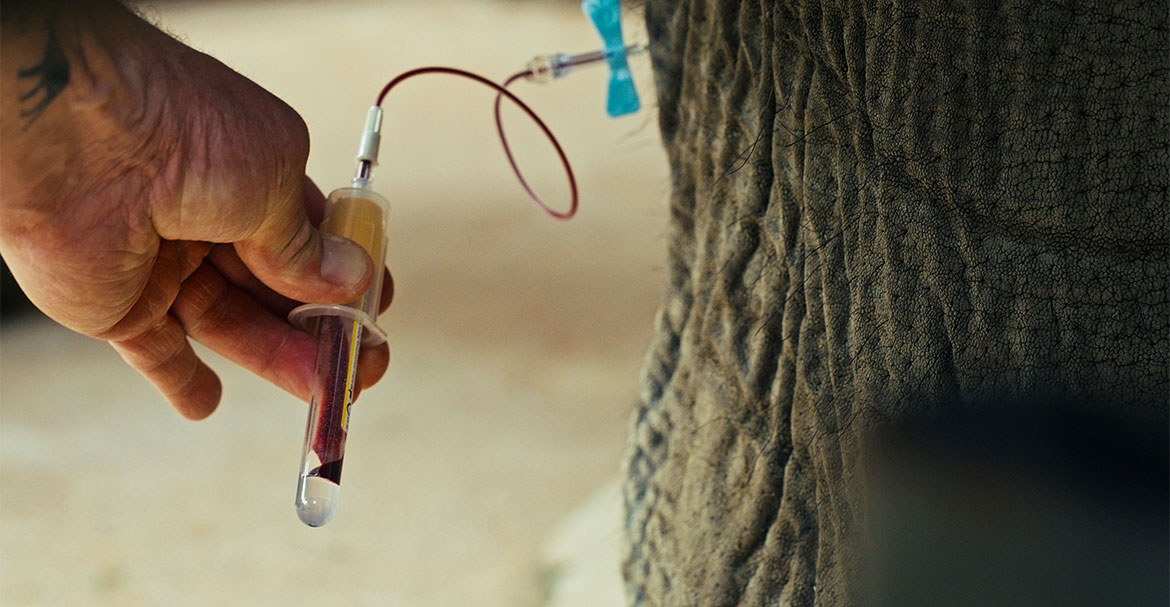
For the study, the researchers analyzed the complete genomes of 81 Asian elephants from all four recognized subspecies, including the rare elephants from the island of Borneo. Many of the blood samples came from wild-born elephants that now live in European and North American zoos, thanks to the EAZA Biobank – a kind of international blood bank for zoo animals. The genomic analyses show that the genetic health of the four subspecies differs substantially. The Bornean elephant has by far the highest level of inbreeding. In this subspecies, around 65% of the DNA has been inherited identically from both parents, a clear sign of long-term inbreeding. The Sumatran elephant also shows elevated levels of inbreeding, at around 35%. By contrast, populations on the Asian mainland and in Sri Lanka show considerably fewer signs of recent inbreeding (~10%).
“The risk of inbreeding is twofold,” says Jeroen Kappelhof, leading author and PhD candidate at Wageningen University & Research, who is also affiliated with Rotterdam Zoo. “On the one hand, genetic diversity declines. This makes it more difficult for populations to adapt to changes such as new diseases or climate change. On the other hand, inbreeding increases the likelihood that harmful inherited traits will be expressed, which can, for example, lead to reduced fertility. Both processes make populations more vulnerable and ultimately increase their extinction risk. This is why it is important to identify inbreeding at an early stage.”
Surprisingly, despite the major differences in inbreeding, the four subspecies still share a large proportion of their original genetic diversity. “On a deep-time evolutionary scale, individuals from Borneo are genetically very close to all the other Asian elephants,” says co-author Dr. Patrick Arnold from the University of Potsdam, who sequenced the genomes of the wild Bornean elephants. “The differences we see today have mainly arisen because some populations (particularly from islands) have lost more genetic variation than others.” This offers prospects for conservation, as genetic rescue may be an option for populations with low genetic diversity.
One possible way to reduce the negative effects of inbreeding is to introduce animals from another population. This brings new genetic variation into the population and can make populations more resilient. This approach is known as genetic rescue. For the Bornean elephant, the researchers consider this a potential management measure. At the same time, such an intervention requires careful consideration. For example, you want to avoid losing local genetic adaptations to the environment. Further research is therefore needed before such measures can be applied responsibly.
Photo 1: Blood sample collection for genomic analysis, Photo: Jester & Wylde
Photo 2: Many Asian elephant populations are under pressure, Photo: Jester & Wylde
Publication: https://doi.org/10.1093/gbe/evag183
Contact: Dr. Patrick Arnold, Institute of Biochemistry and Biology
Phone: +49 331/977-5437
Email: patrickarnolduuni-potsdampde
Media Information 08-14-2026 / Nr. 068