Open Science at the University of Potsdam
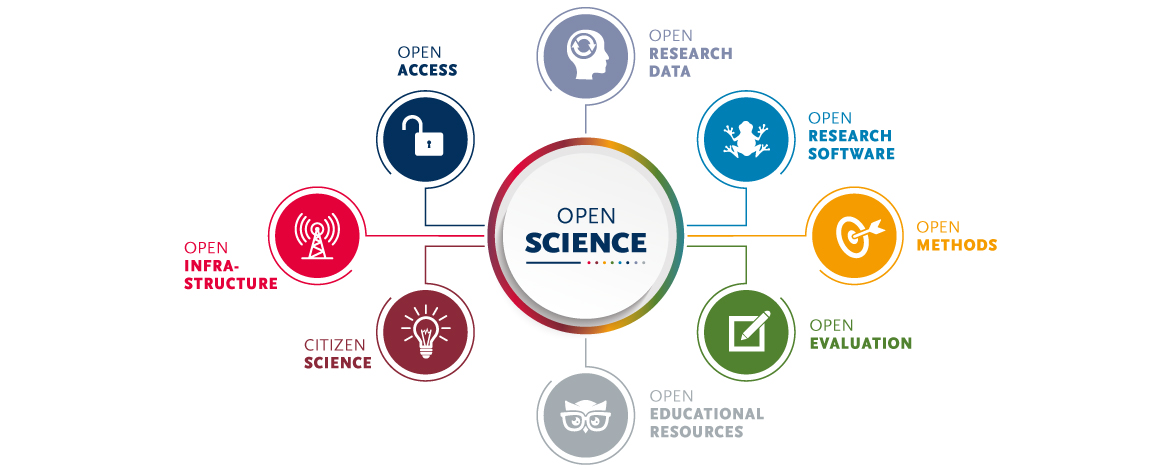
The term Open Science bundles strategies and procedures that aim to consistently use the opportunities of digitisation to make all components of the scientific process as openly accessible, comprehensible and reusable as possible via the internet. This is intended to open up new possibilities for science, society and the economy in dealing with scientific findings.
The University of Potsdam pursues Open Science as an integral part of its good scientific practice and its striving for excellence and has laid down this fundamental claim in various documents. In some fields of action, Open Science is already vital practice and substantial progress can be shown; other fields of action are at the beginning of the development process.
The coherent visualisation, targeted development and networking of all fields of action as well as the development of synergies are the main objectives of the Open Science Guidelines of the University of Potsdam. The process is supported by the researchers and teachers in the faculties and the qualified staff in the supporting institutions.
- Open Science Guidelines of the University of Potsdam, 2023