
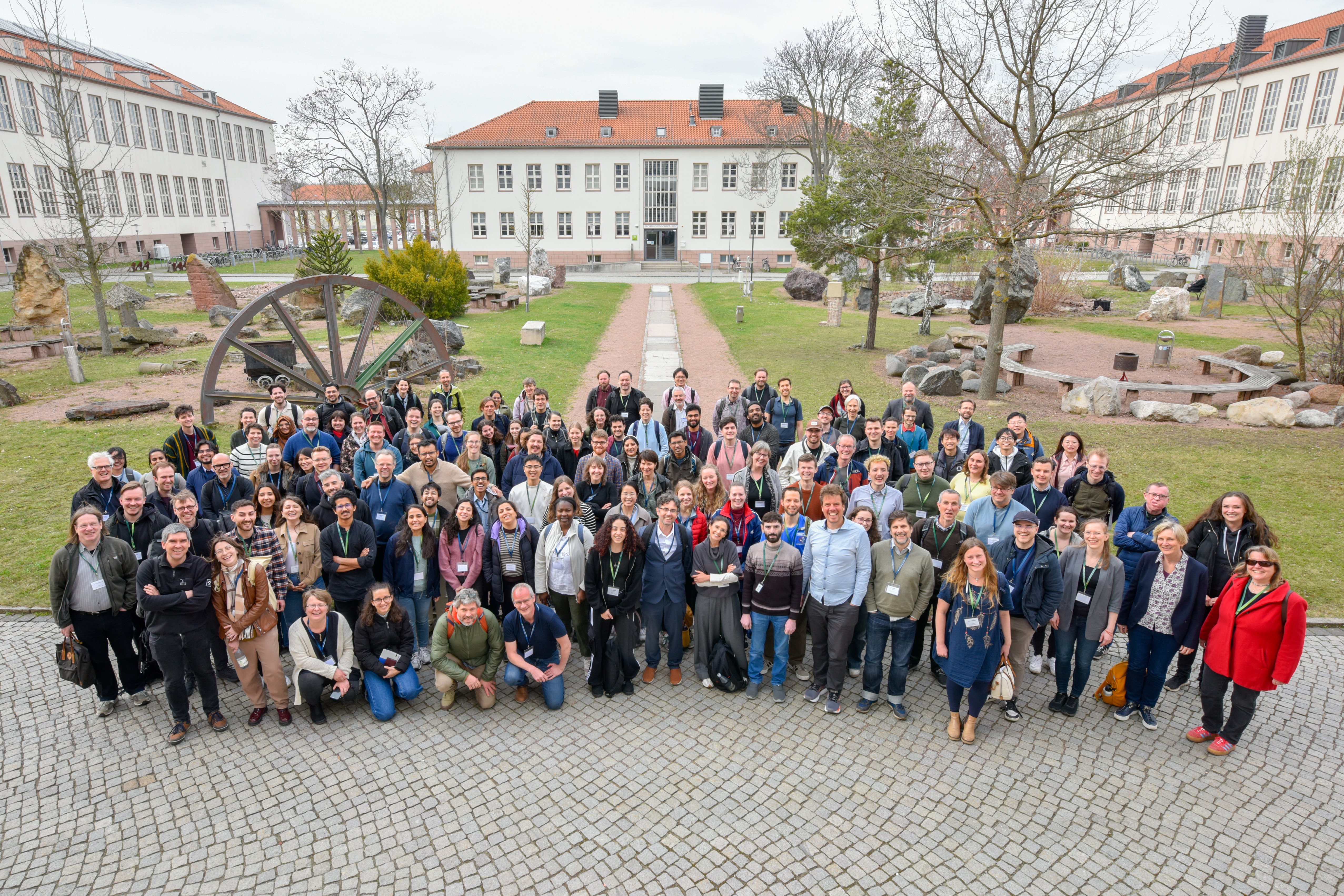
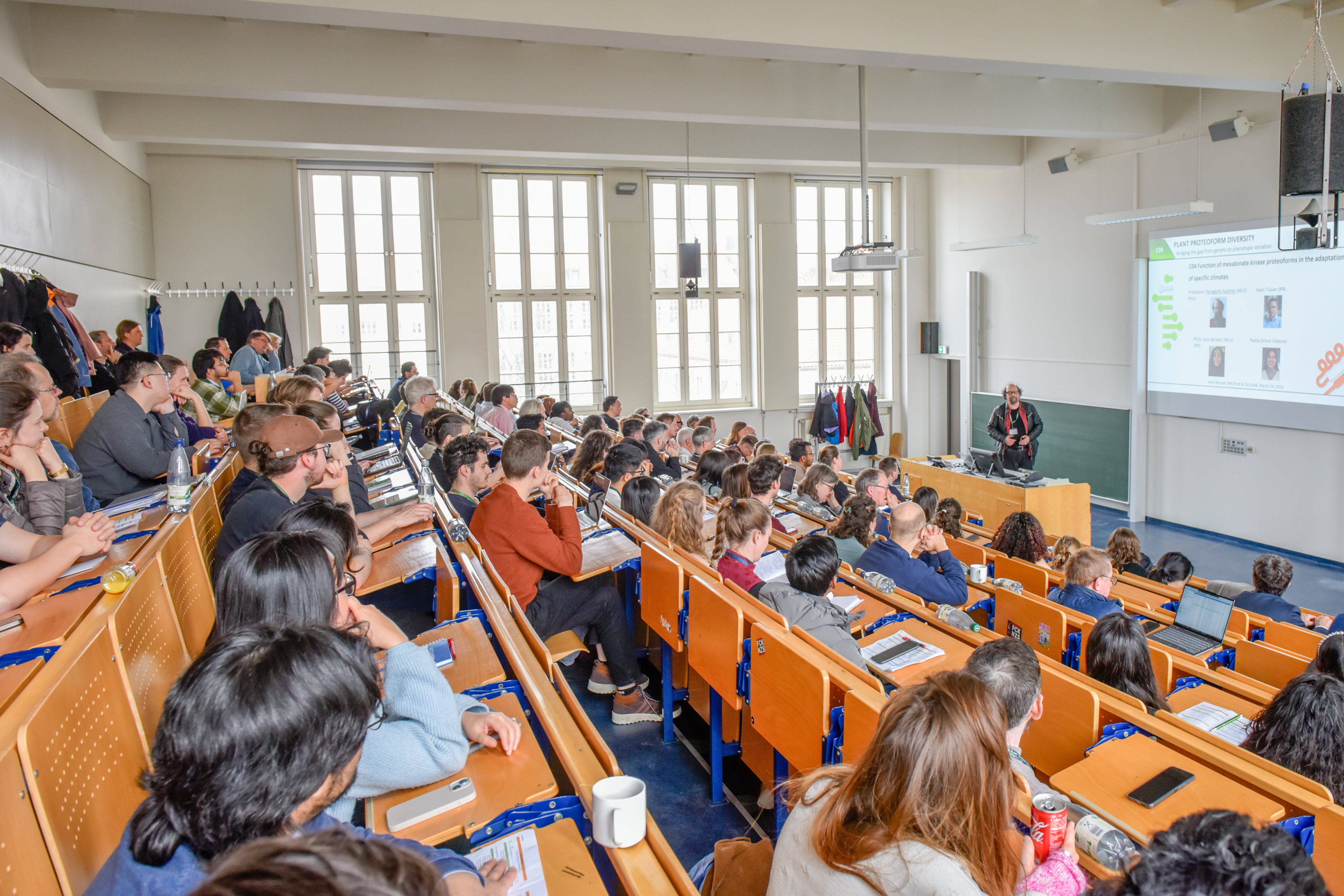
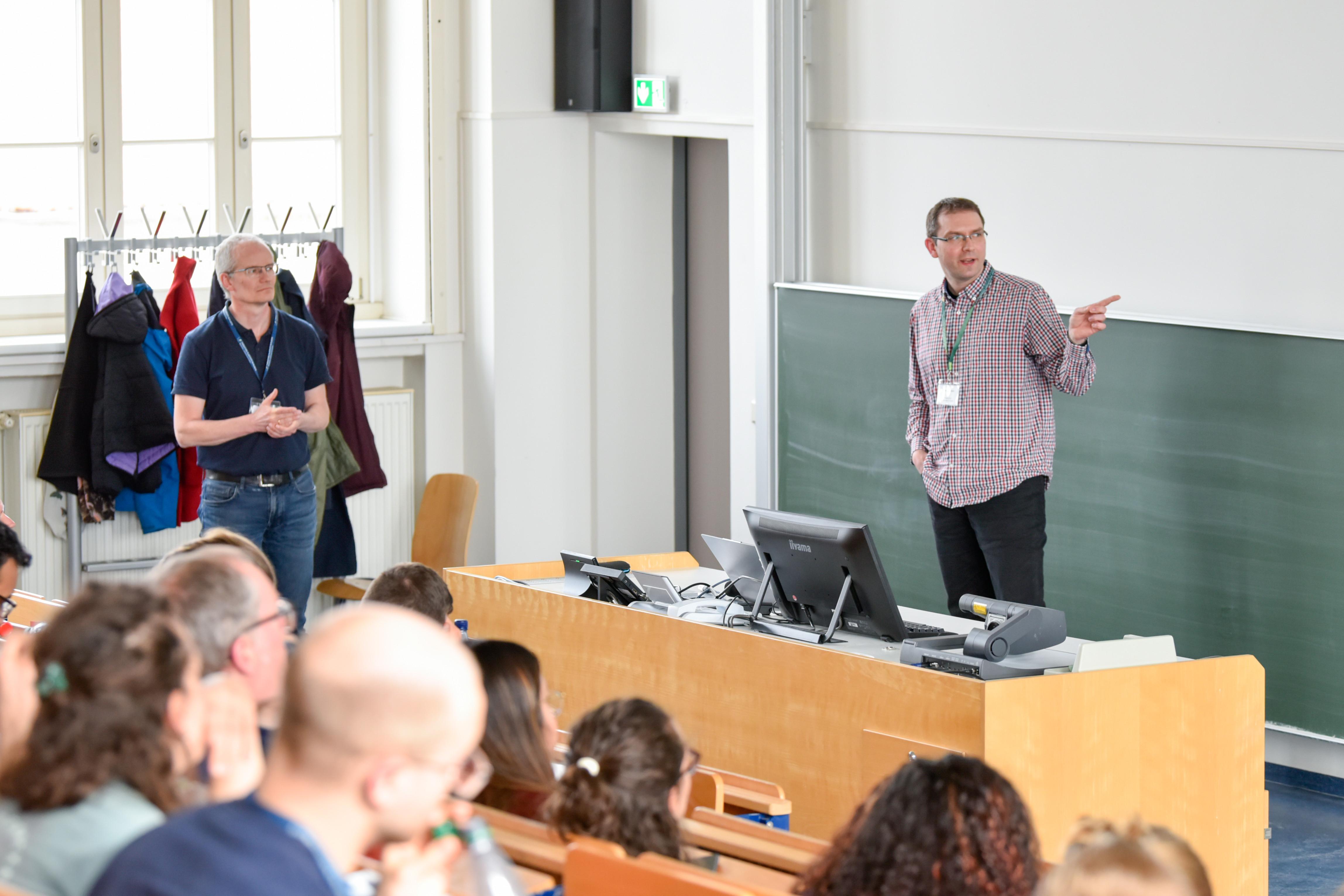

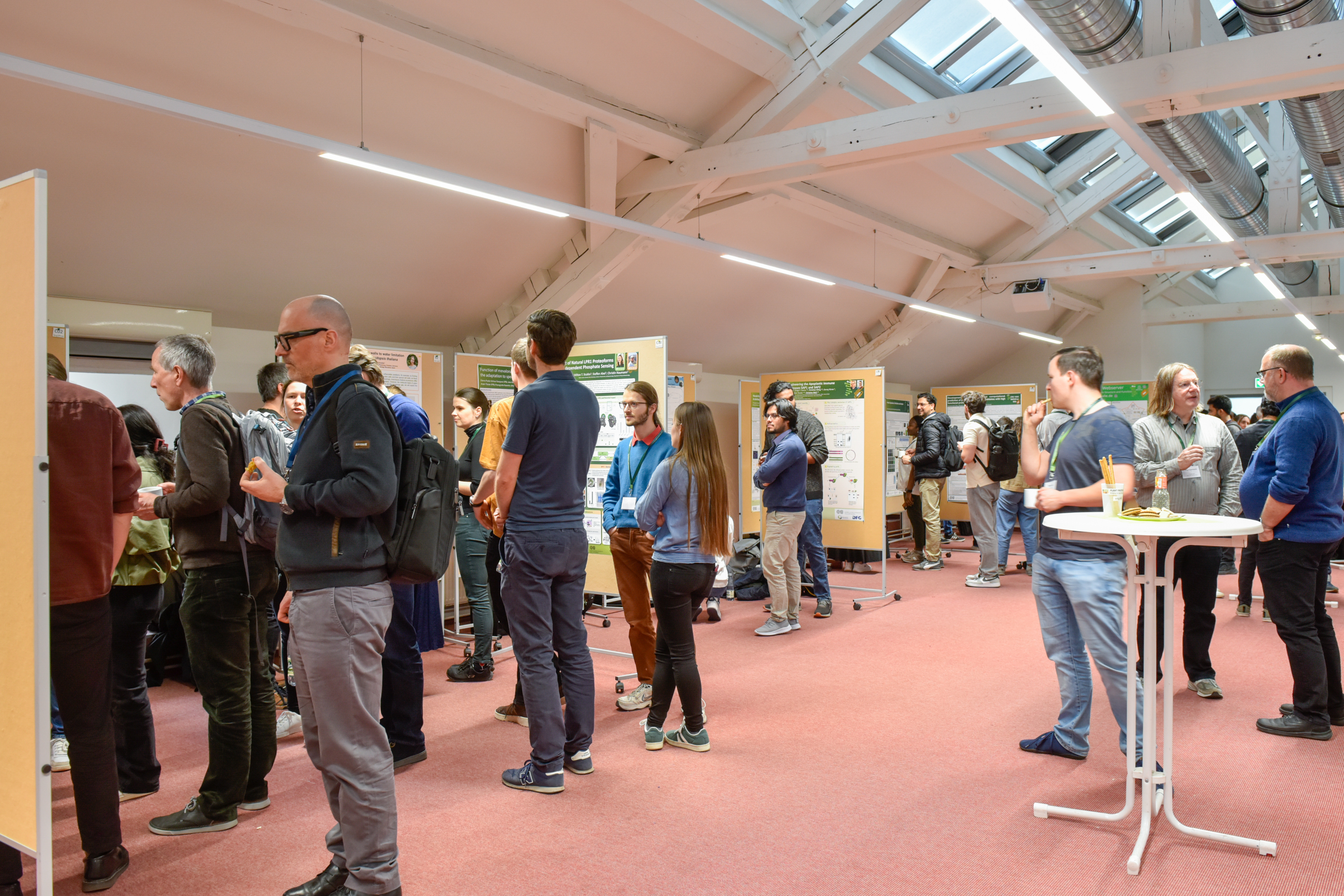

Two plant CRCs, one joint retreat: on 24 and 25 March, CRC 1644 and CRC 1664 "Plant Proteoform Diversity – SNP2Prot" came together at Martin-Luther-Universität Halle-Wittenberg for two days of scientific exchange – and it was well worth it.
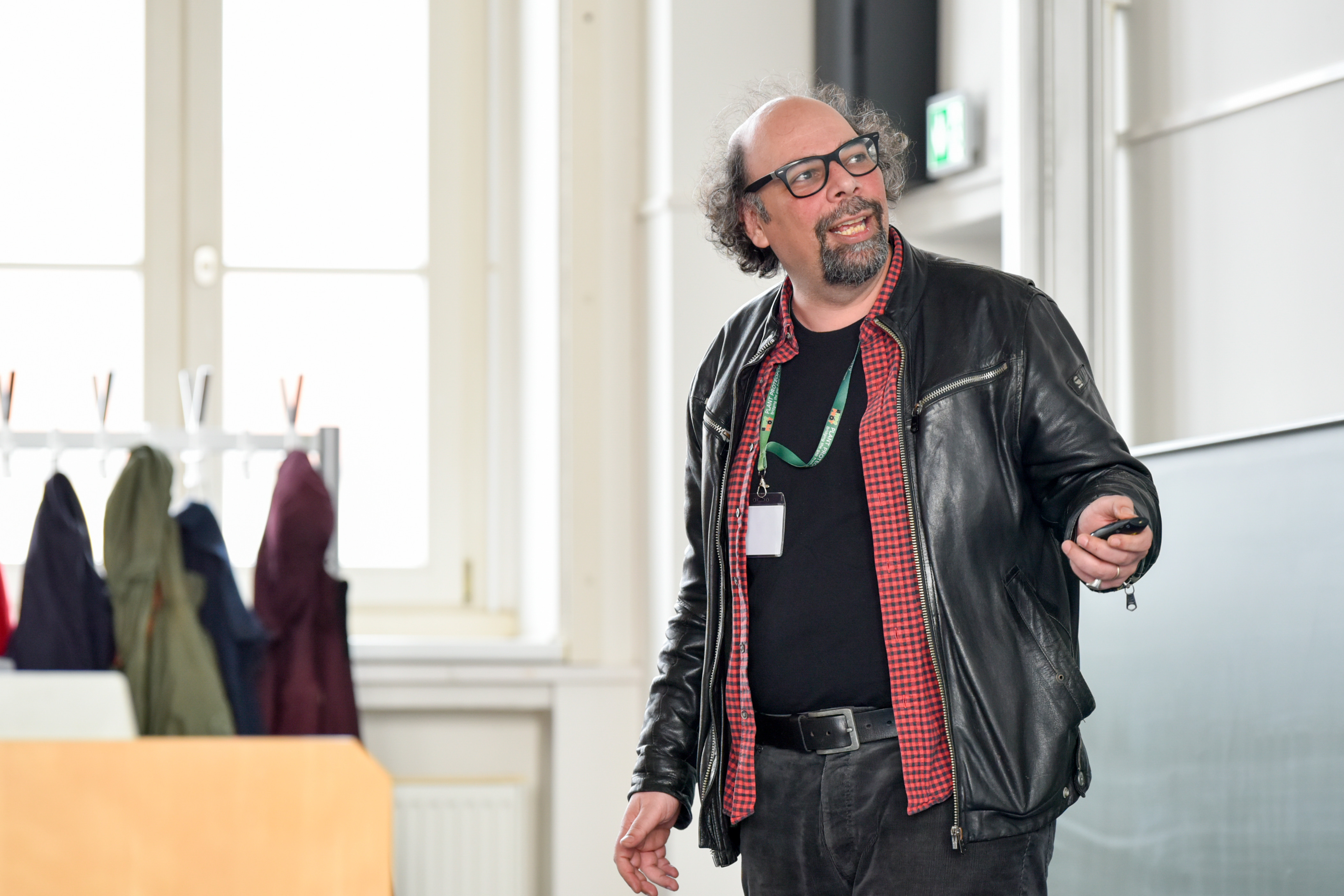
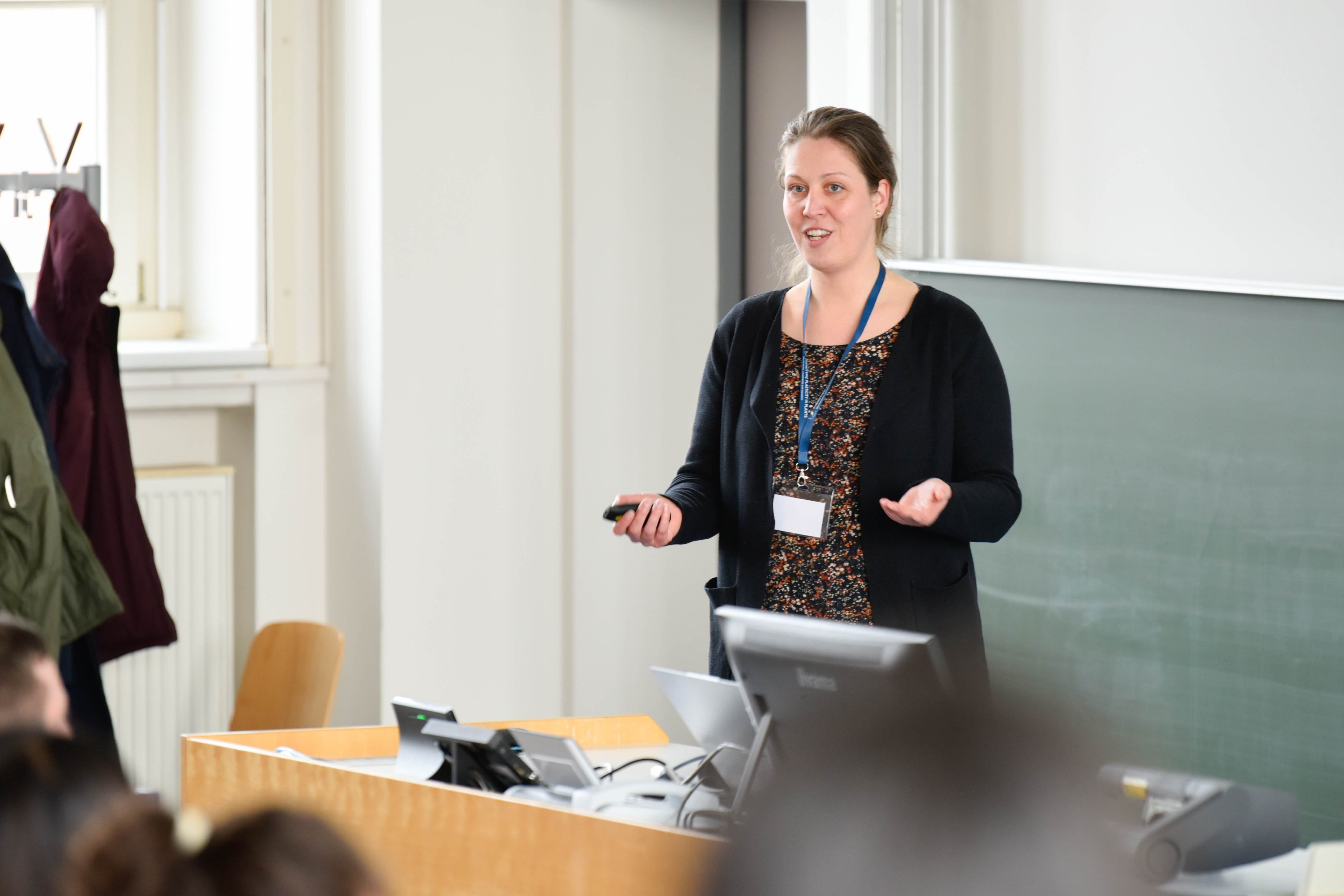
The retreat opened with both consortia introducing themselves: their scientific programmes, their individual projects, and the questions that drive their research. These introductions set the tone for what followed – two days of genuine exchange rather than parallel monologues. Talks by PIs on both sides gave deeper insights into ongoing work, and it quickly became evident that CRC 1644 and SNP2Prot are not simply fellow plant science consortia. They are complementary ones. Where SNP2Prot zooms in on protein-level diversity and its functional consequences, CRC 1644 asks how plants integrate molecular signals into coherent phenotypic responses across development and environment. These are different lenses on shared biological questions – and seeing them side by side was genuinely illuminating.
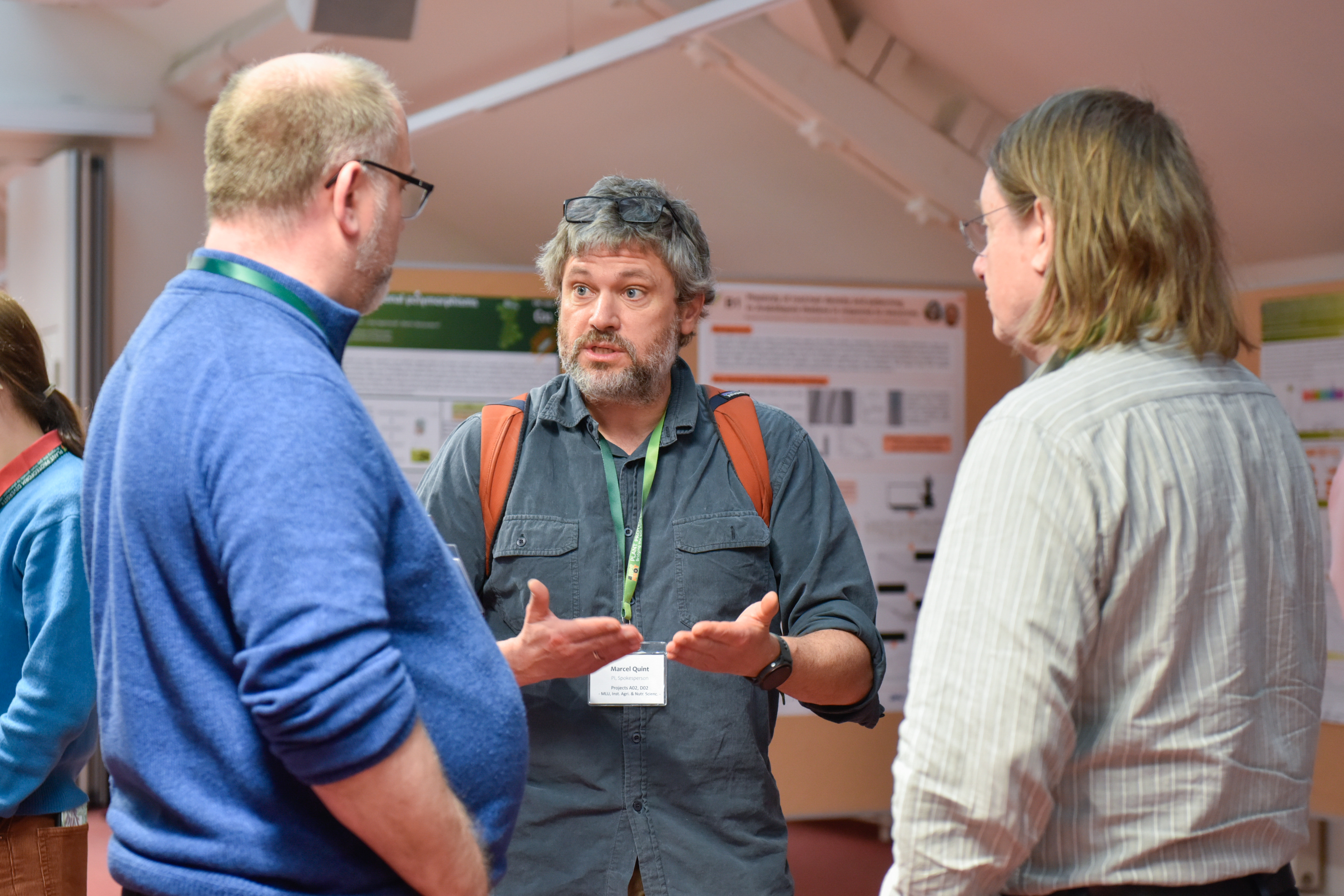
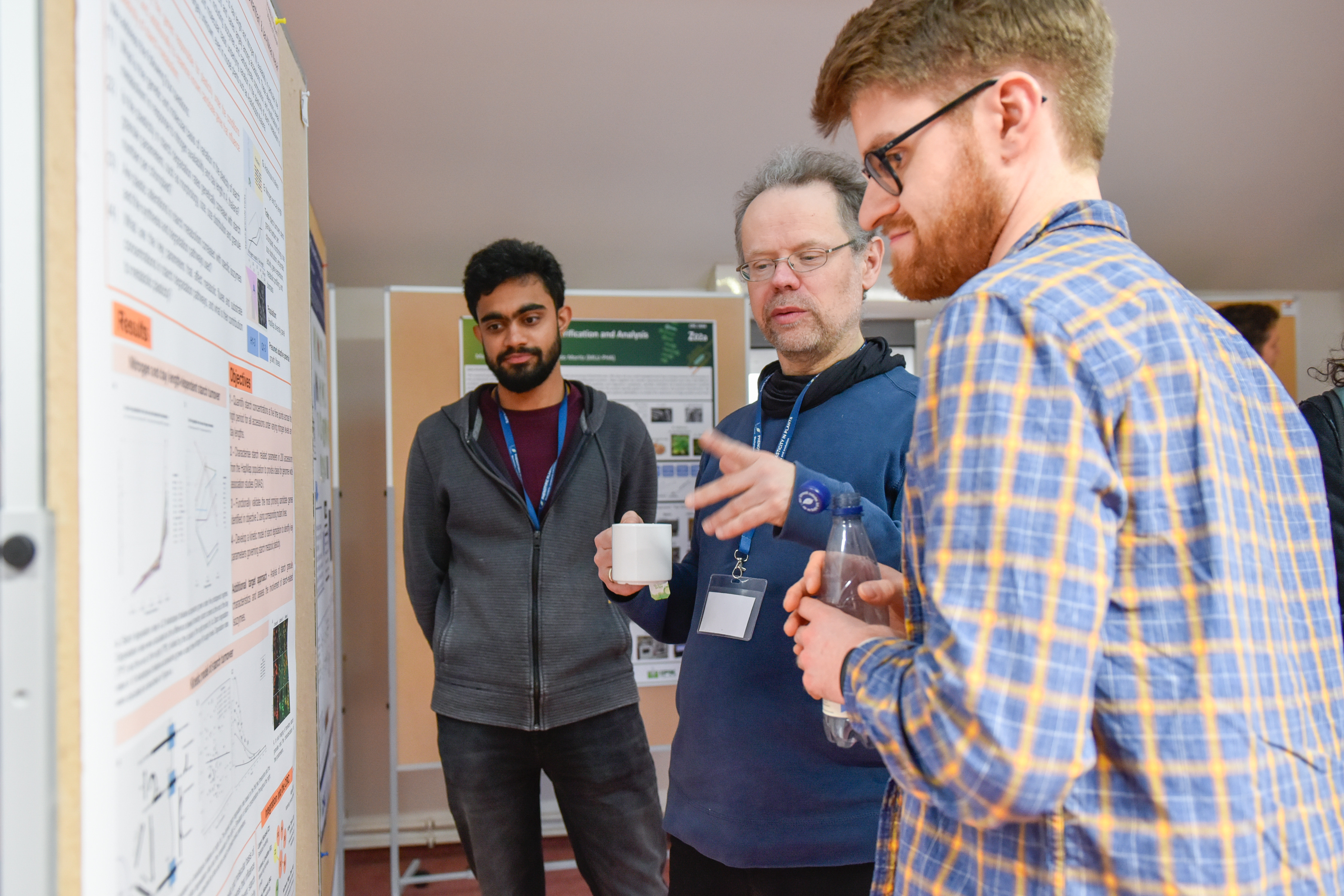
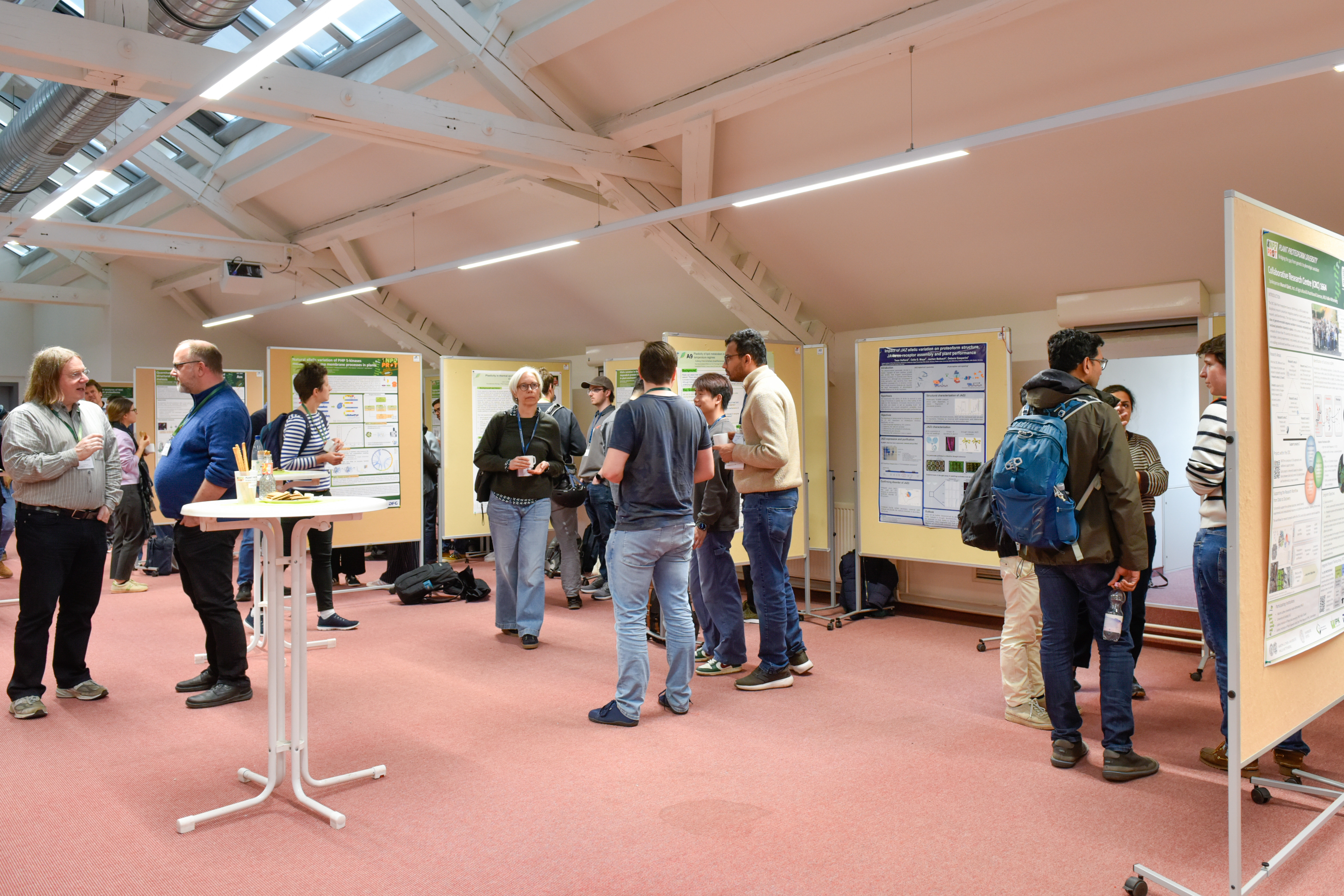
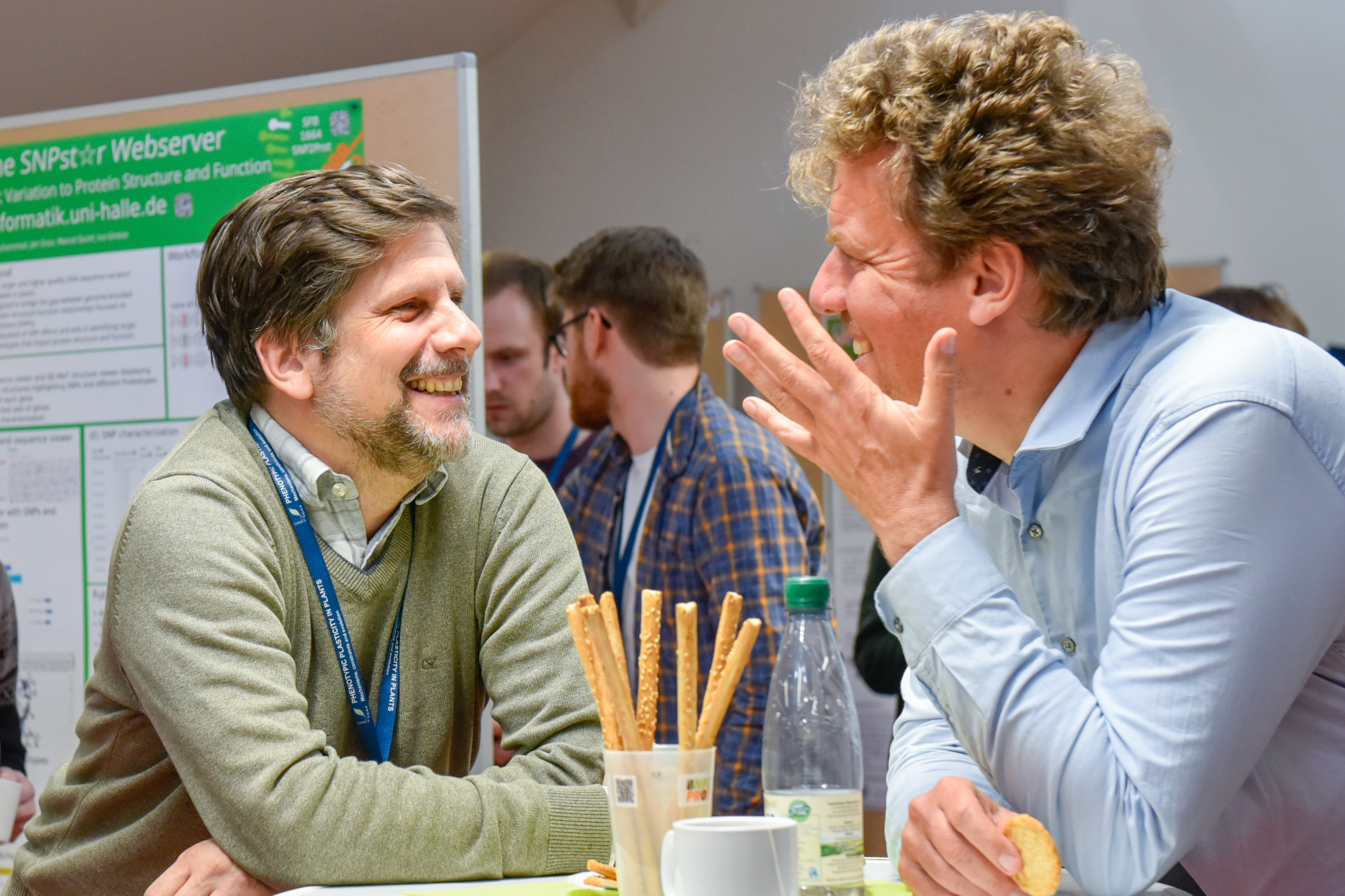
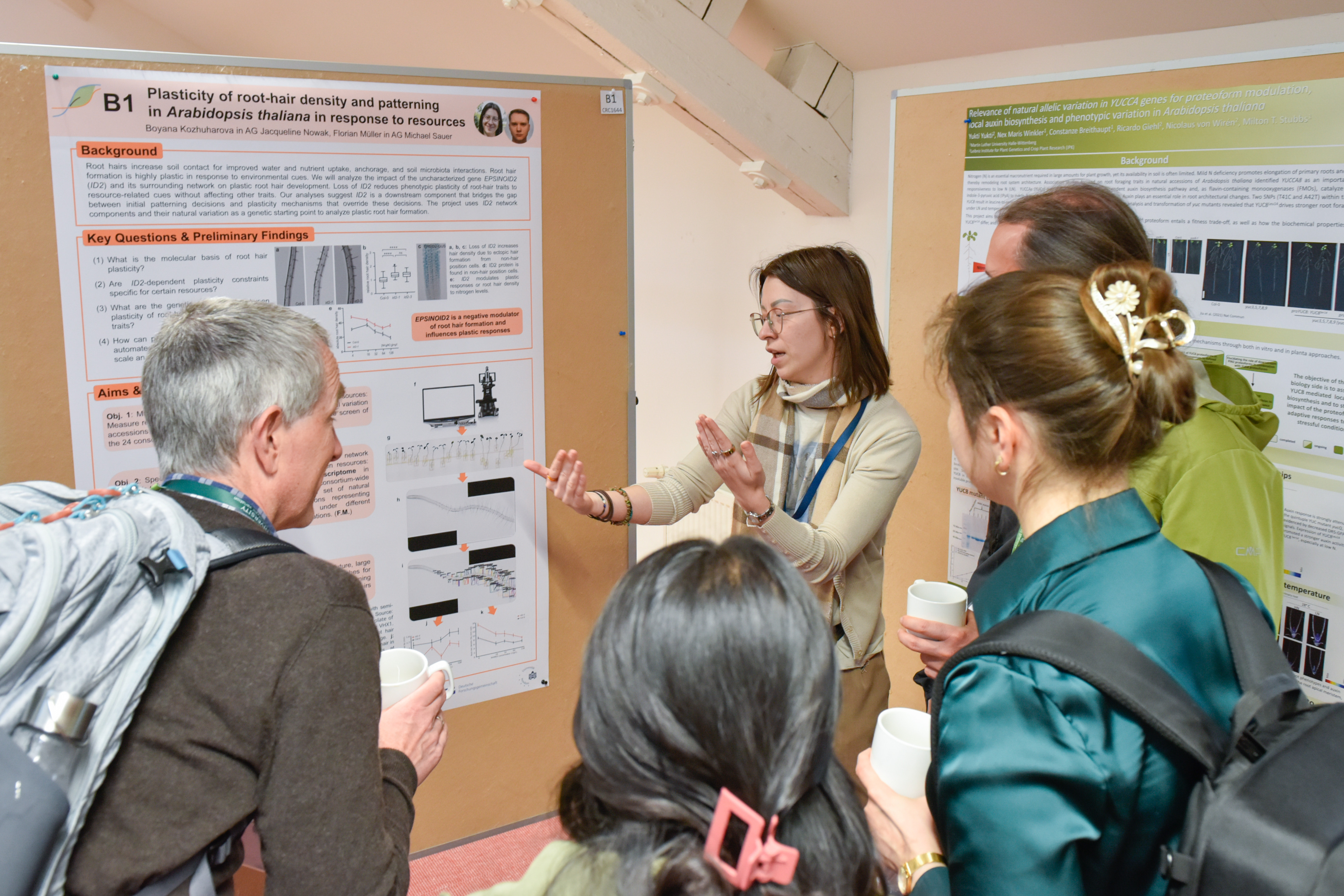
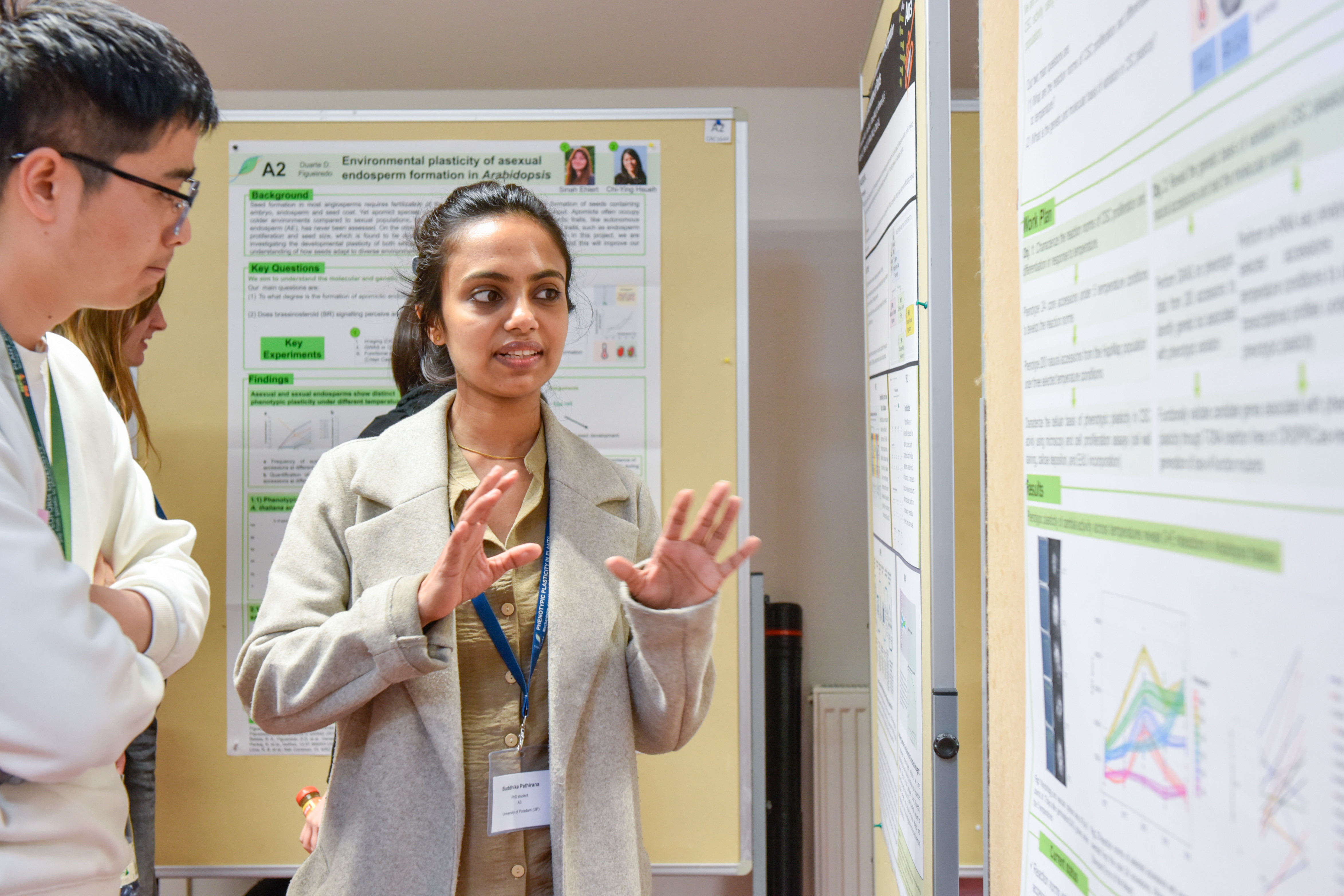
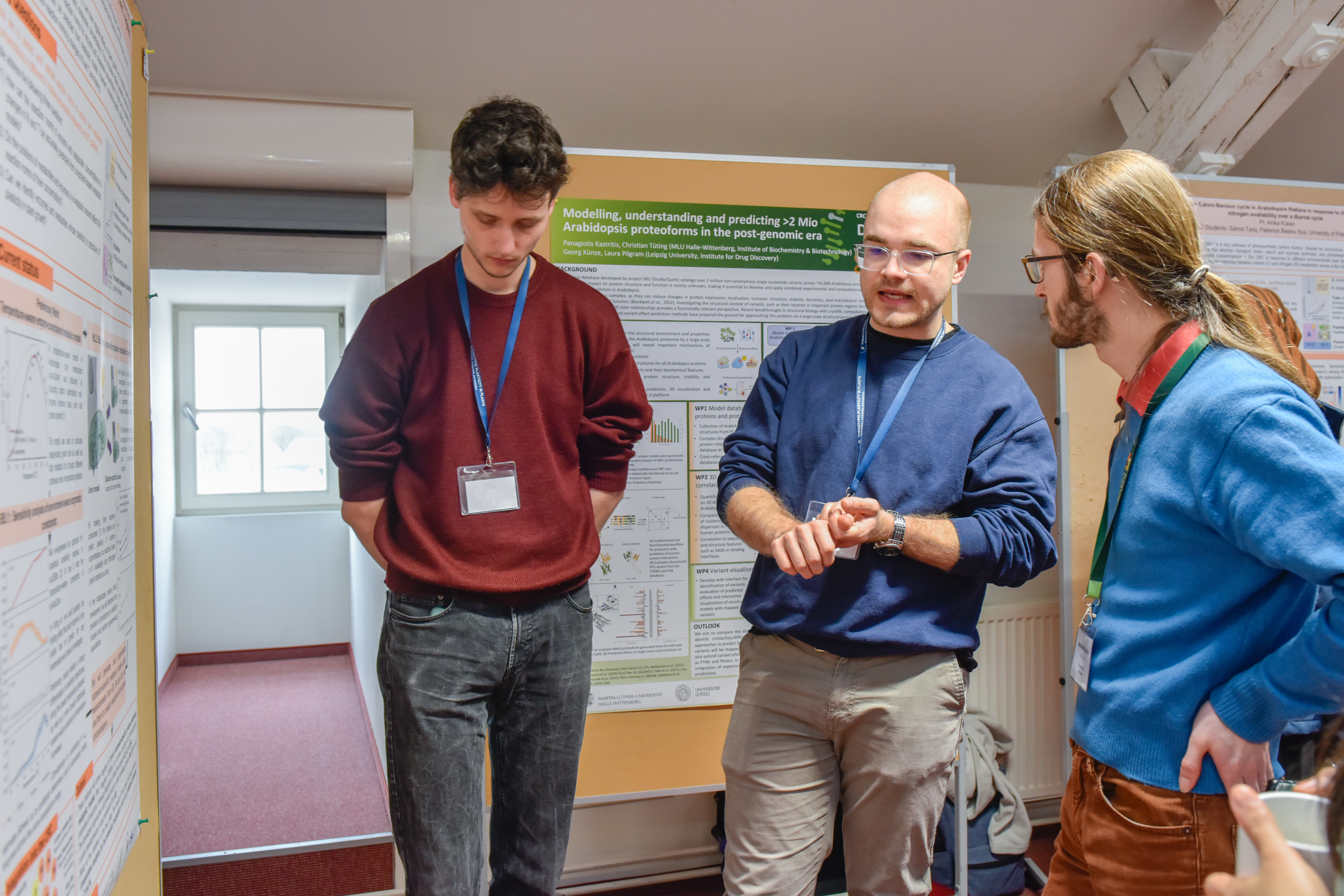
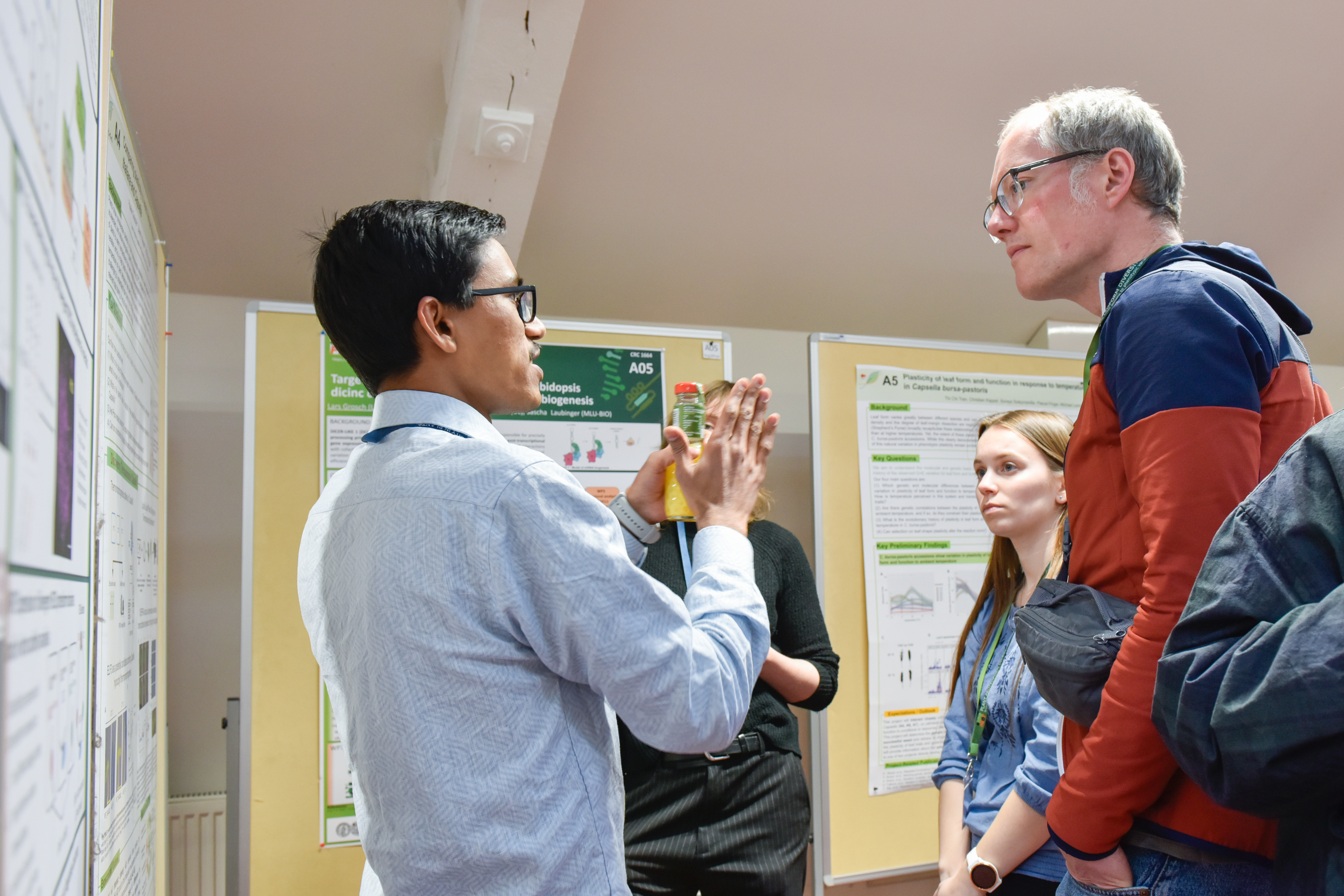
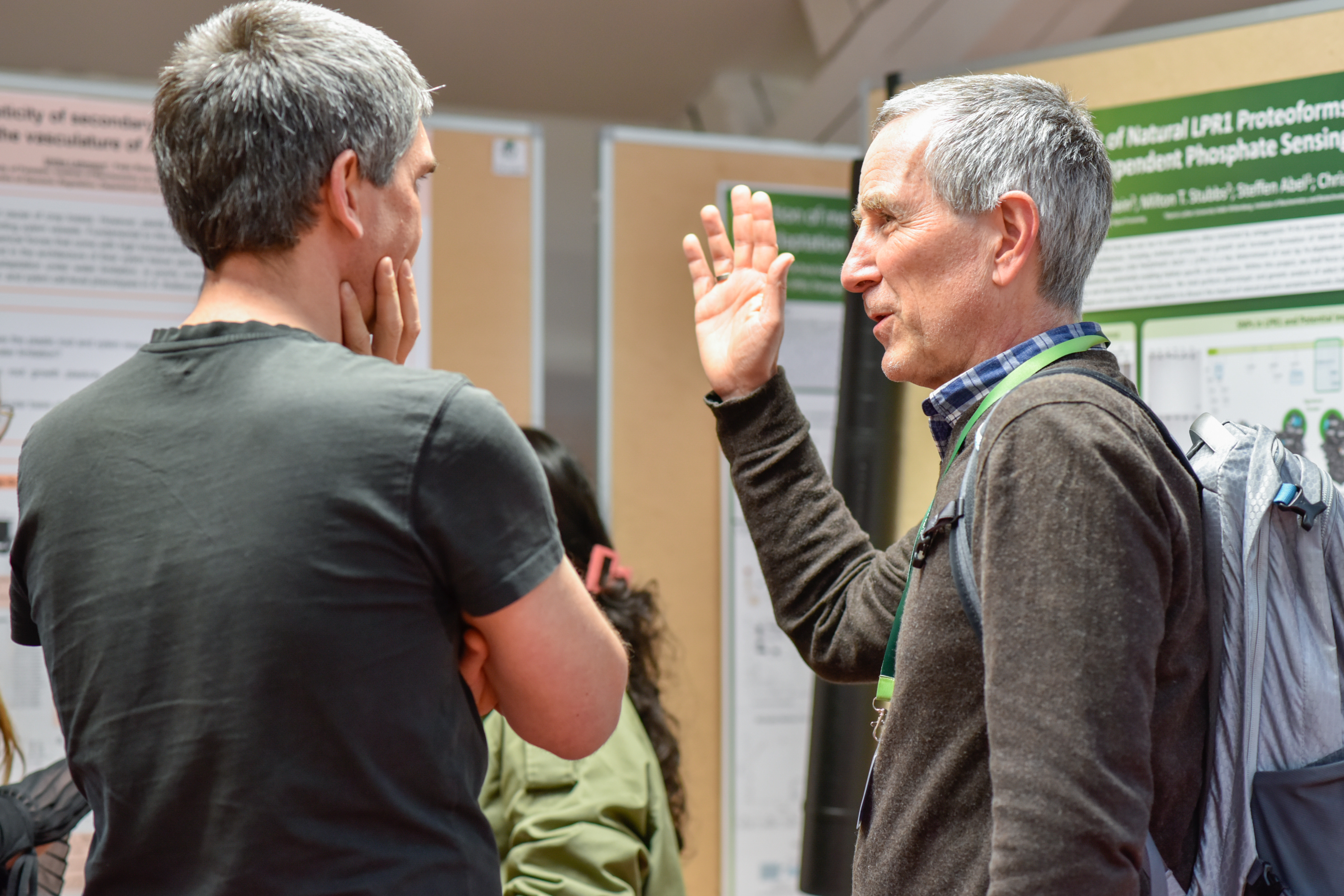
The poster sessions were a particular highlight. ECRs from both communities presented their work and engaged in lively, informal conversations that crossed institutional and disciplinary boundaries with ease. What was especially encouraging: some of our early career researchers have already started building connections with their counterparts in Halle – exchanges that we hope will continue to grow well beyond the retreat itself.
In interactive discussion rounds, members from both consortia identified analytical and methodological interfaces and crossovers – points of contact that may serve as a basis for synergies, future collaborations, or joint activities. We are convinced that this kind of interdisciplinary exchange has the potential to strengthen the research of each CRC while preserving what makes each of them distinctive.
We are grateful to our colleagues from SNP2Prot for their warm welcome and the spirit of openness they brought to every part of the programme. We hope this retreat marks the beginning of a lasting exchange – and we very much look forward to what may grow from it.