
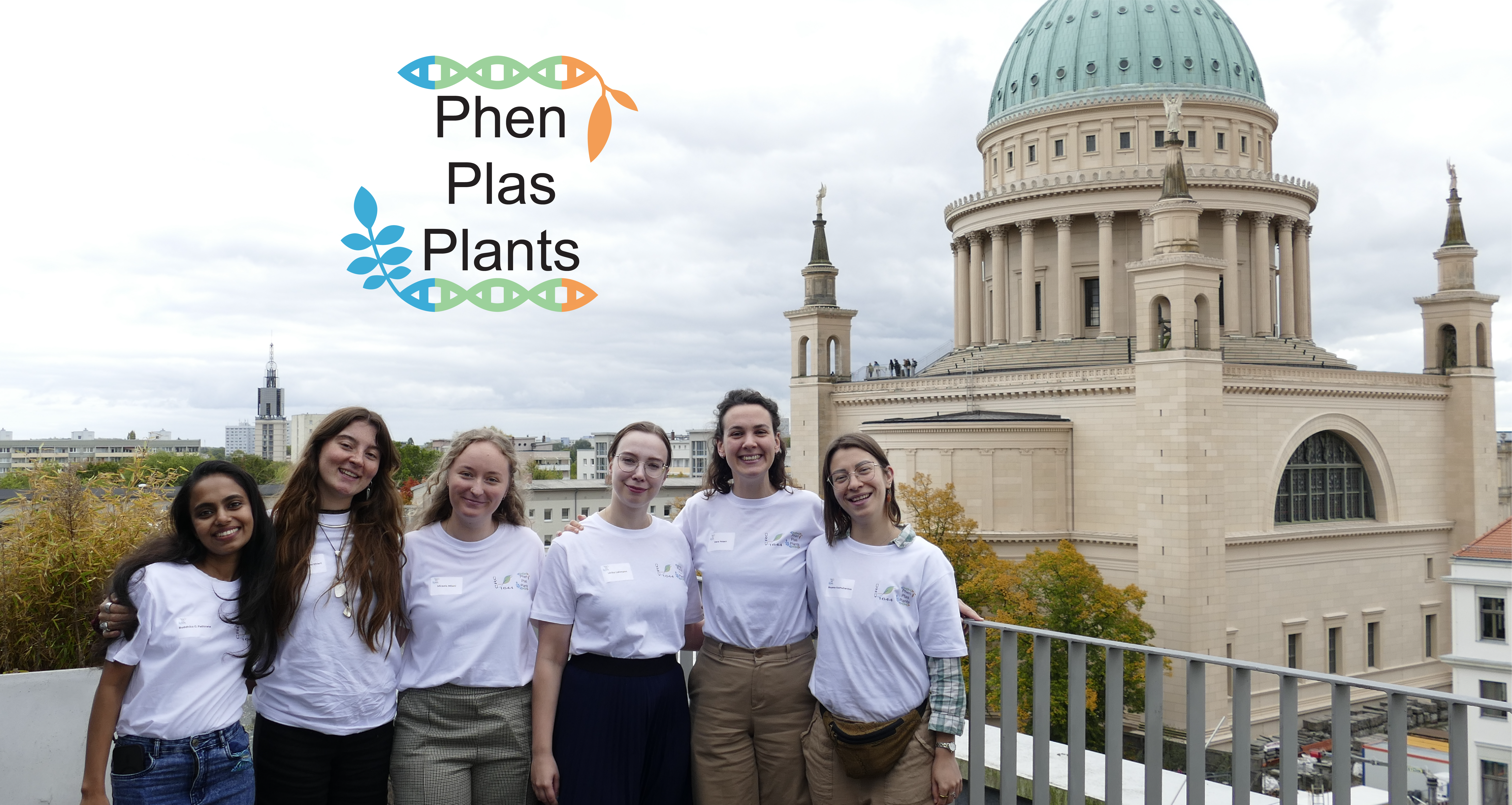


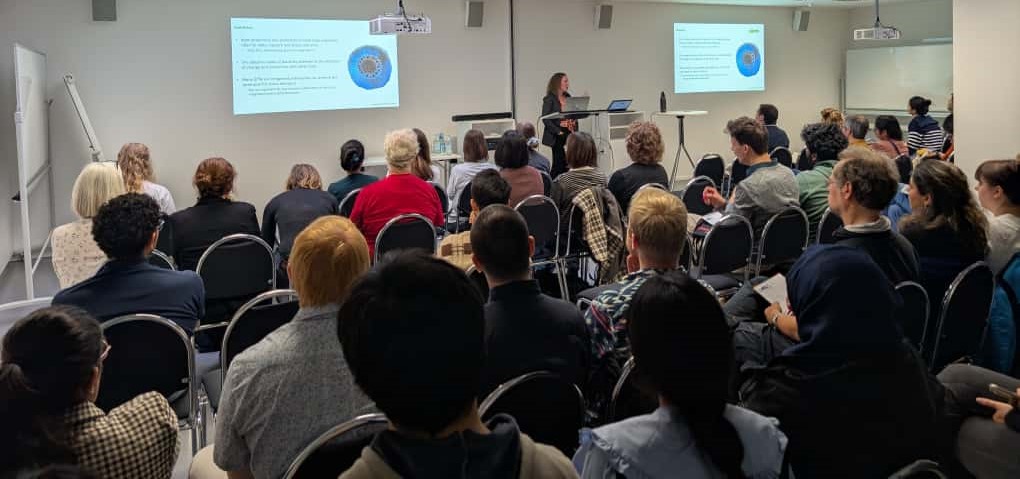



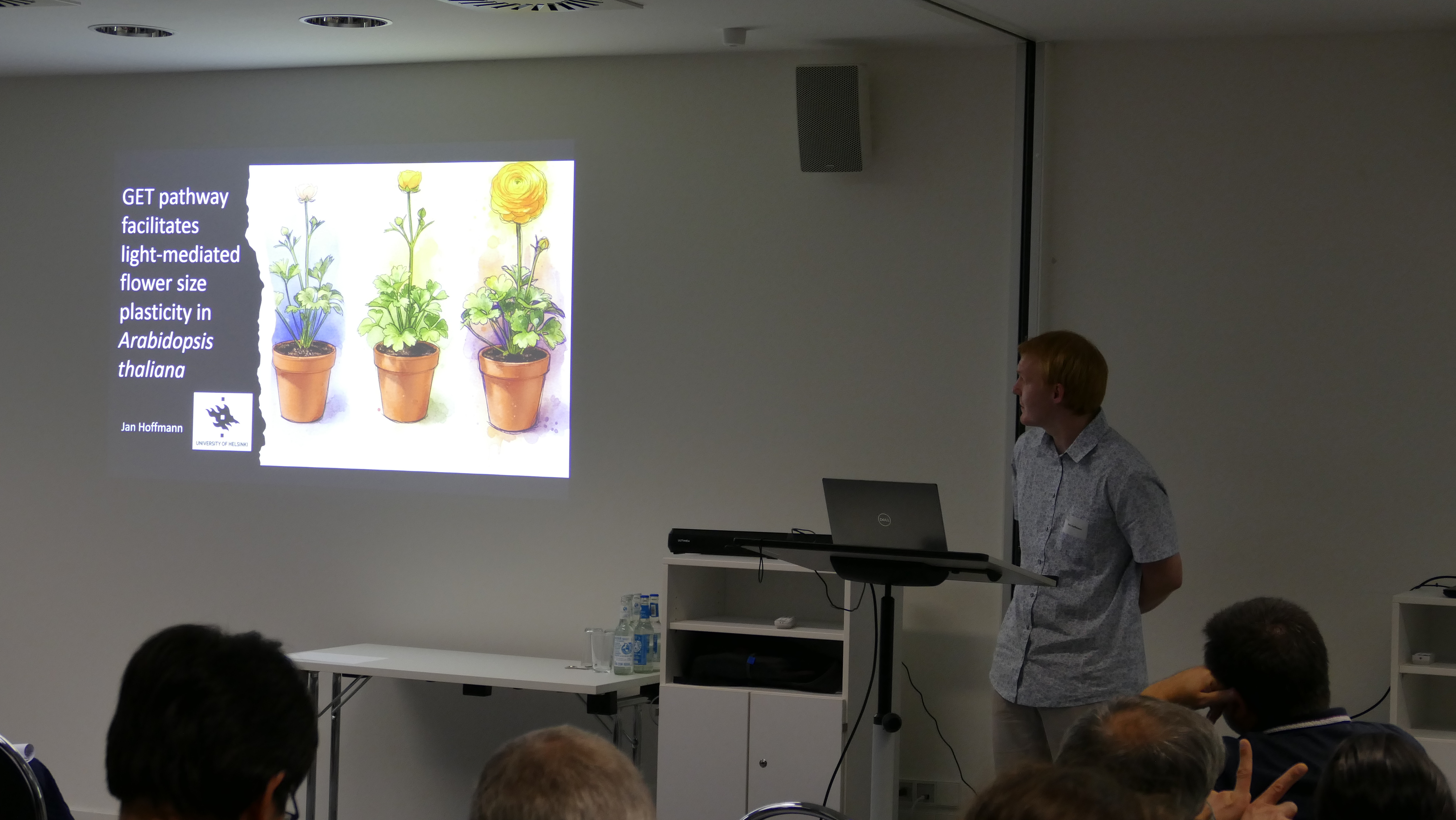
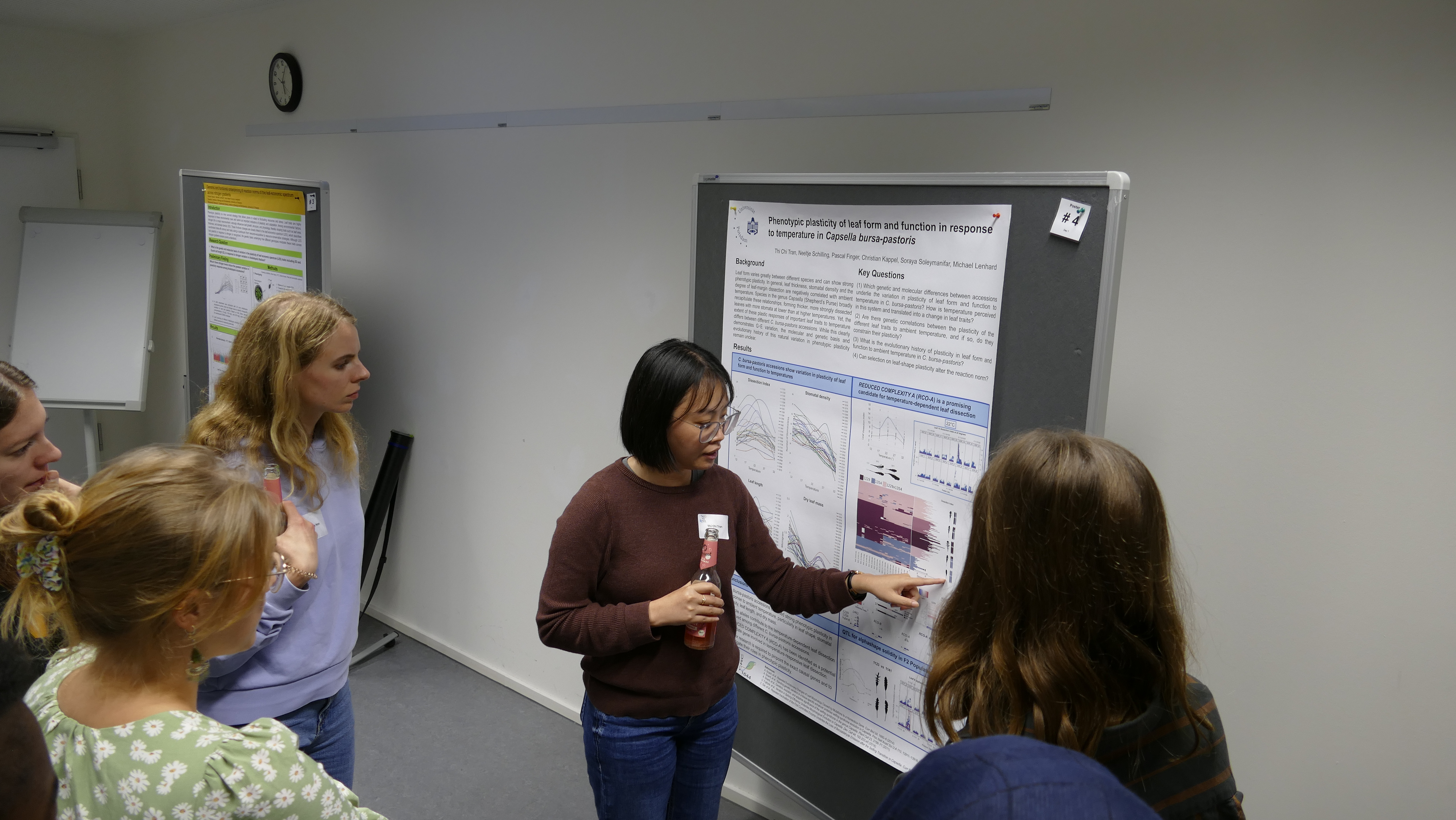
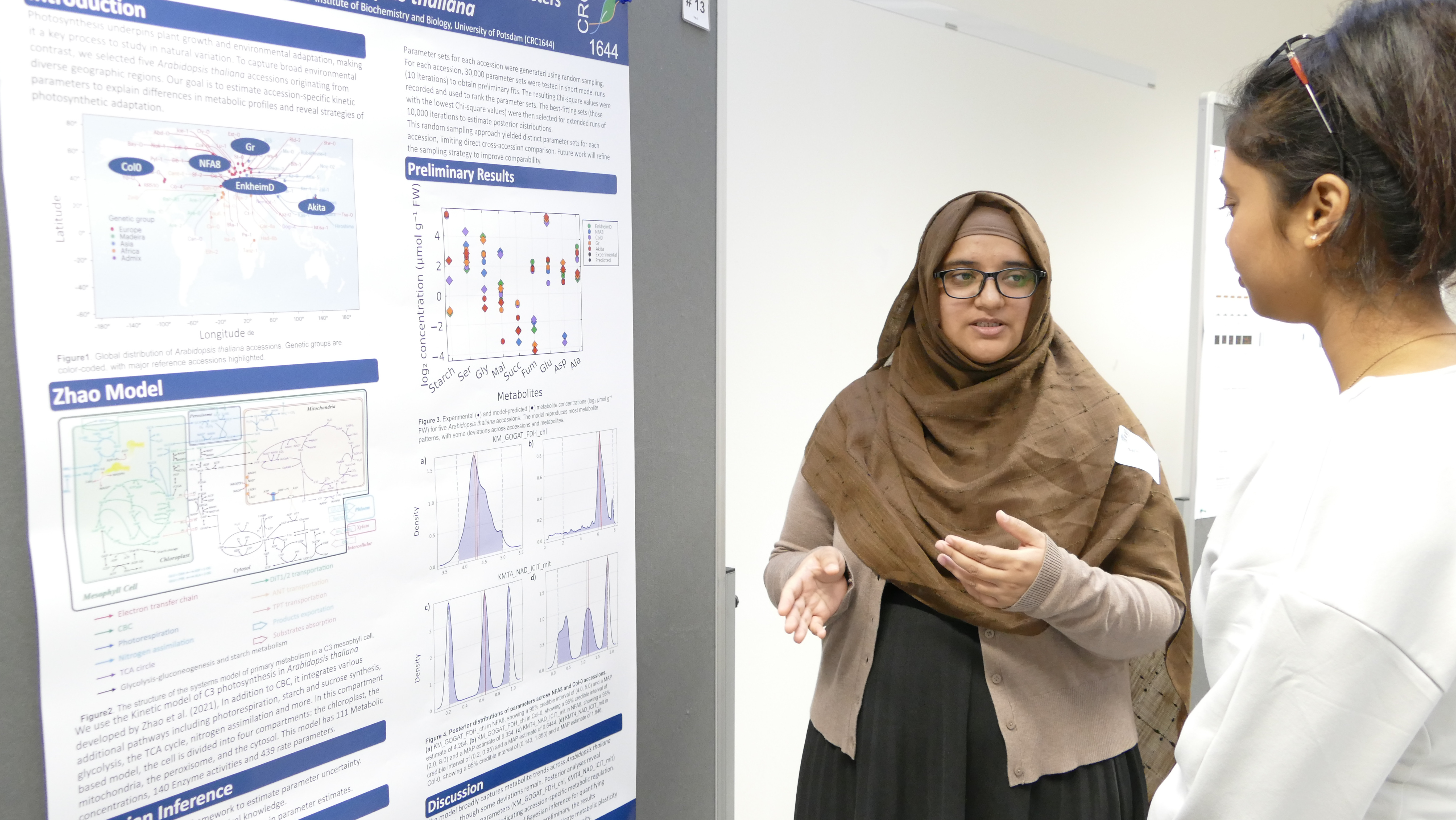
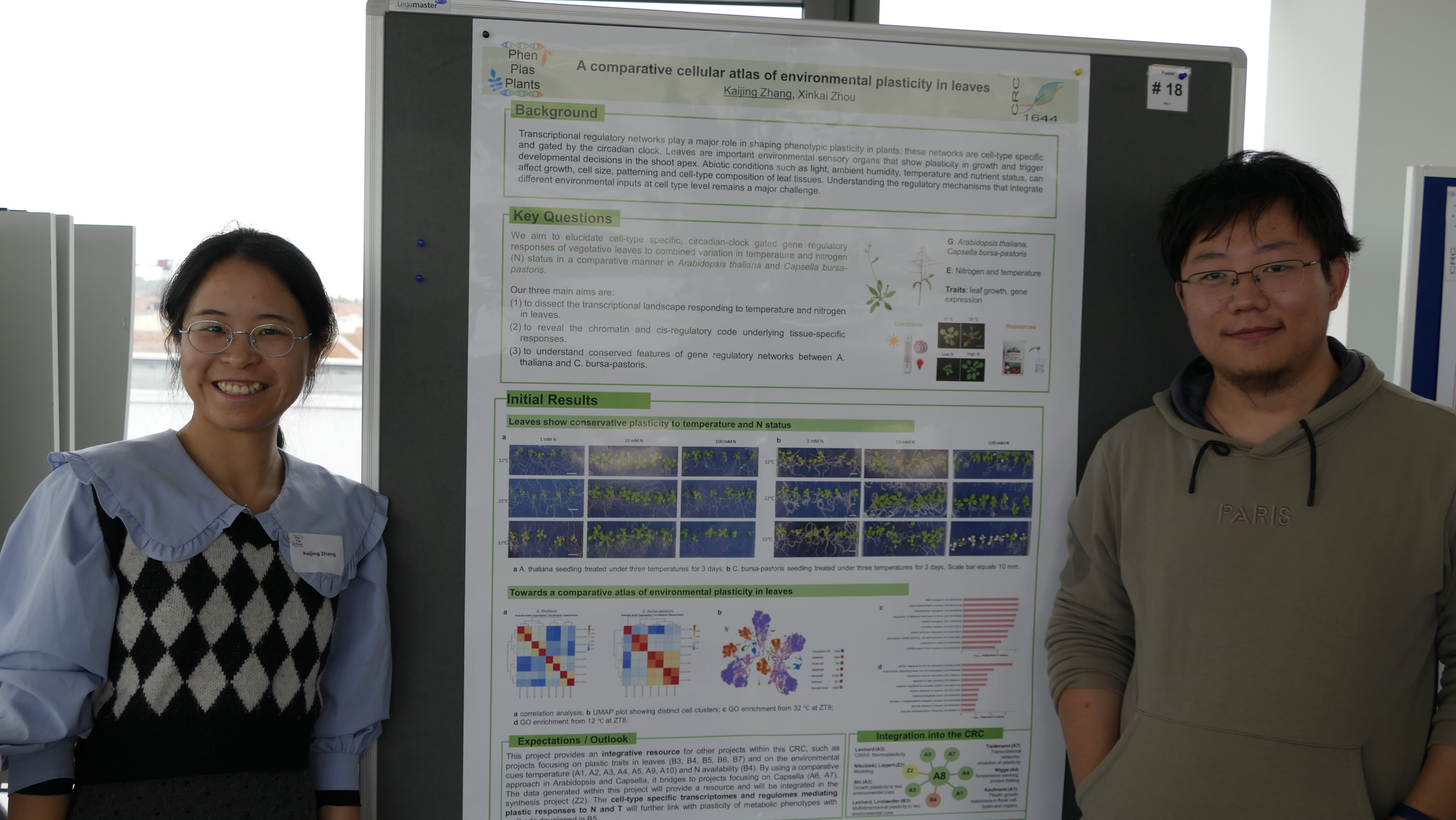
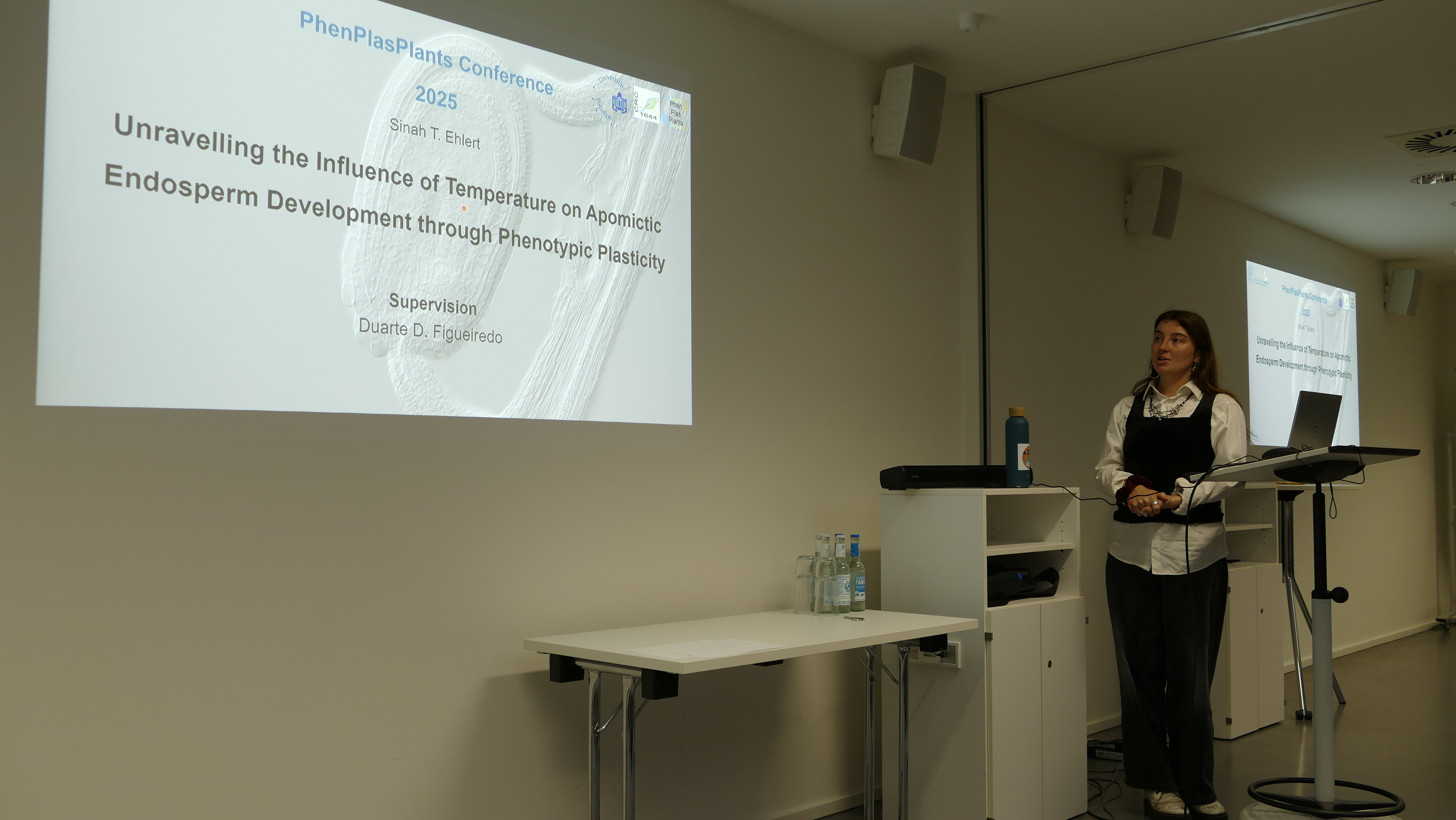
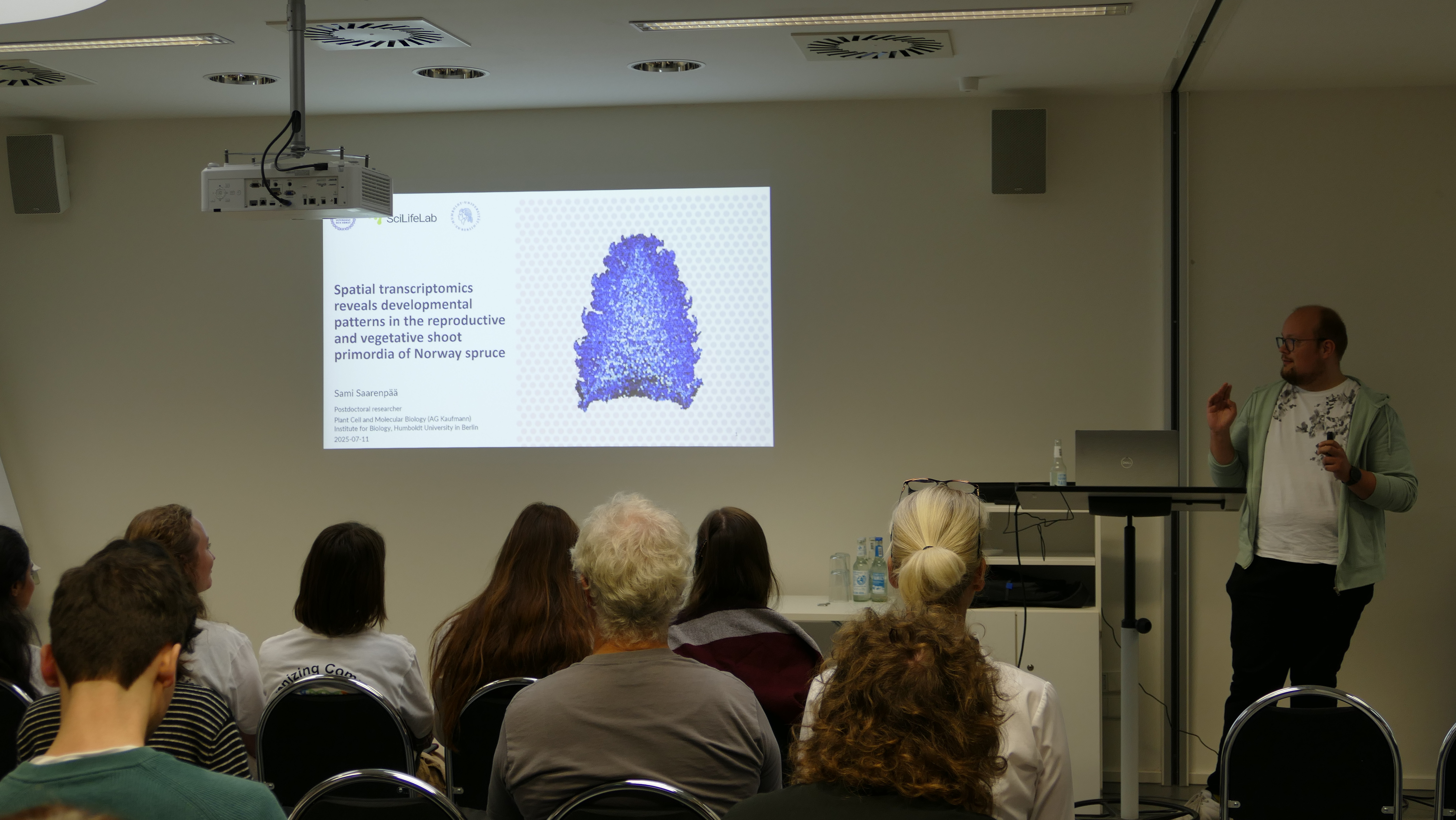
Organized by Early-Career Researchers of the Collaborative Research Centre 1644, the International Conference on Phenotypic Plasticity in Plants ‘PhenPlasPlants’ took place in Potsdam. Researchers from diverse research fields came together to discuss the latest developments and findings in the field of phenotypic plasticity.
As plants are sessile organisms, they face many local challenges such as drought, pests or limitation in nutrients. Phenotypic plasticity allows plants to change their form to conquer these challenges.
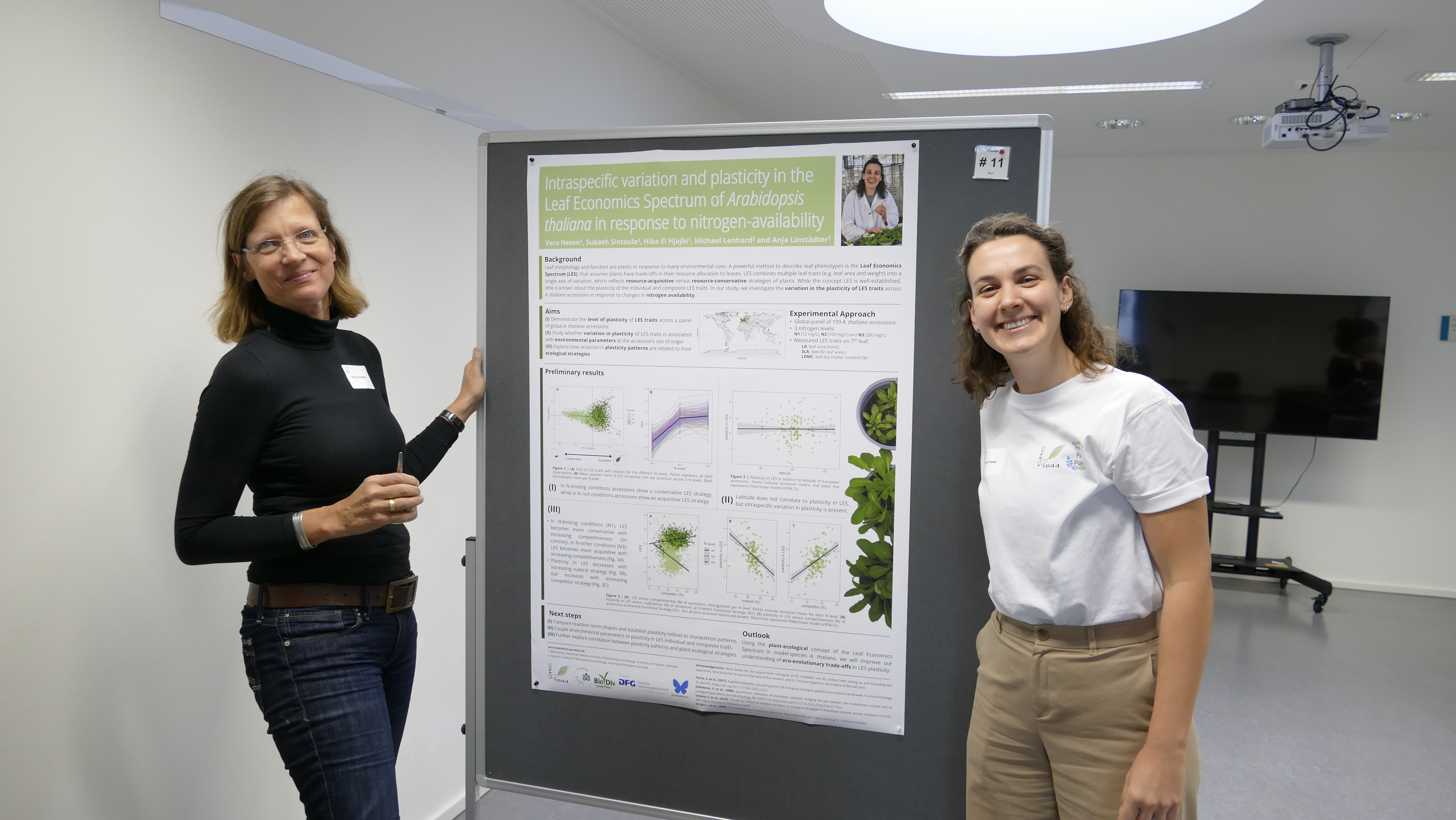
With the scientific talks and posters we dived deeper in how phenotyic plasticy is displayed, in what plant organs or environemntal context and what could be good approaches to study phenotypic plasticity. It was a grand succes to see the national and international partecipants engage in lively scientific exchanges and learn from very diverse disciplines.
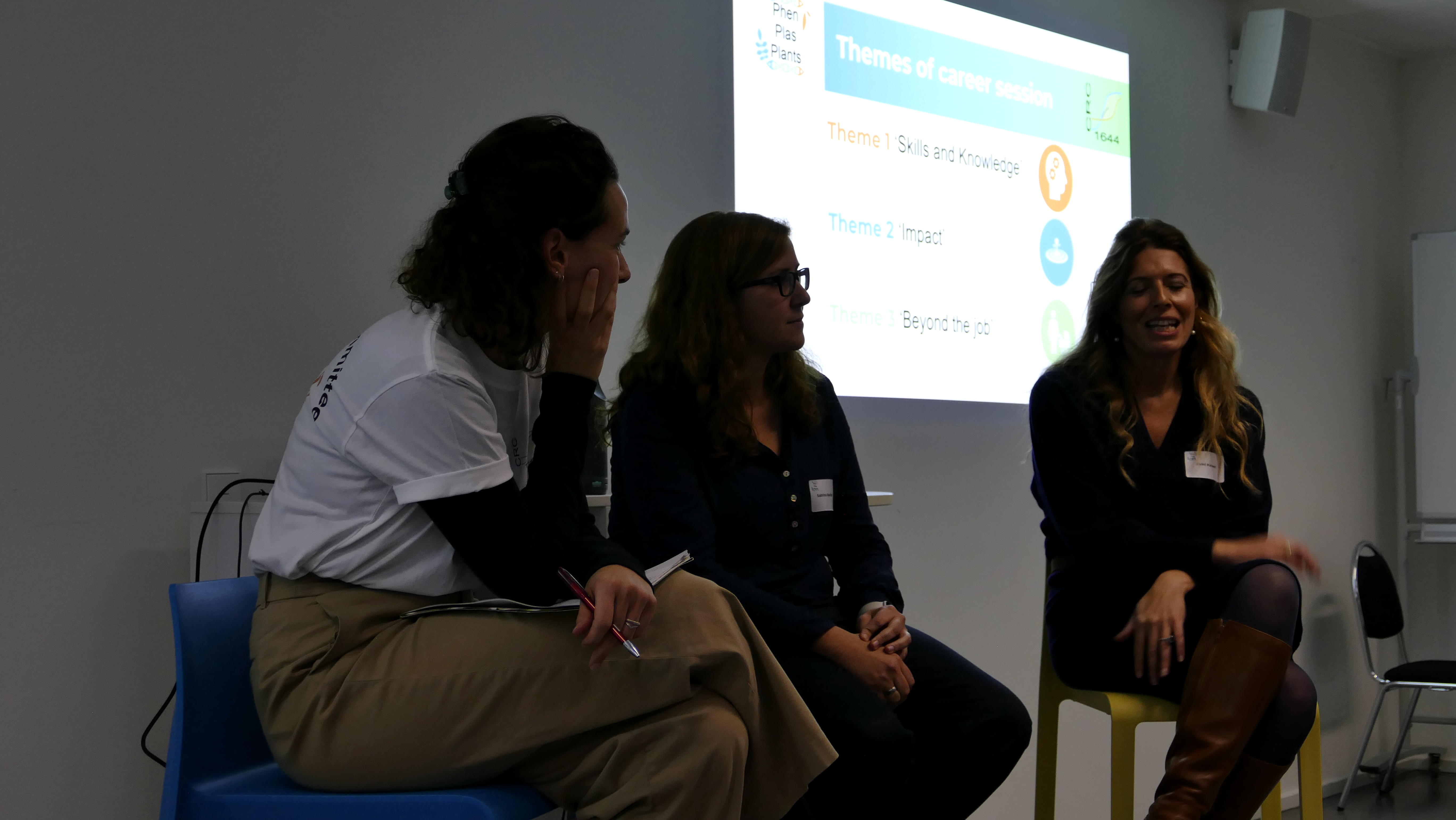
The conference also offered PhD students and postdocs the opportunity to present their research at an early stage of their career, providing valuable experience in scientific exchange and a platform to receive feedback from both peers and senior scientists. The focus on early-career researchers was further highlighted by a specially organized career-session. In this panel discussion, hosted by Dr. Vera Hesen (CRC Phenotypic Plasticity in Plants, Potsdam), Dr. Sabrina Kleesen (data scientist at Targonomix) and Prof. Dr. Eirini Kaiserli (University of Glasglow) shared their experience and gave advice from the perspectives of industry and academia, respectively.